
Backlash Forces INEC to Scrap Voter Revalidation Plan
Nigeria’s electoral commission drew widespread condemnation from opposition parties, civil society organisations, and the Obidient movement before abruptly suspending publicity preparations for a nationwide voter revalidation exercise it had announced just days earlier, exposing deepening anxieties over the integrity of the country’s electoral system less than a year to the 2027 general elections.
The Independent National Electoral Commission had on Wednesday announced plans to commence the nationwide voter revalidation drive on April 13, 2026, as part of efforts to update the voter register ahead of the 2027 general election. The commission said the exercise, which was to run until May 29, 2026, would target the removal of ineligible entries, including deceased persons, non-Nigerians, underage registrants, and multiple registrations, from a register covering voters enrolled between 2011 and 2024. INEC clarified through its official X handle that it was not a fresh registration exercise but specifically an effort to “revise, update, clean and strengthen the integrity, accuracy, inclusivity, and credibility of the national register of voters.”
However, in a letter dated April 4, 2026, and signed by commission Secretary Rose Oriaran-Anthony, INEC directed all Resident Electoral Commissioners to suspend publicity and logistical arrangements for the exercise and await further directives. The meeting with RECs earlier scheduled to hold physically on Thursday, April 9, at 11:00 a.m. was also converted to a virtual session via Zoom, with commissioners advised to remain in their respective states pending login details.
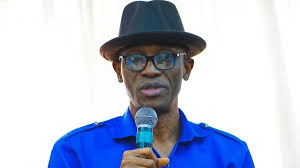
The suspension came against a backdrop of fierce opposition from major political stakeholders. ADC National Publicity Secretary Bolaji Abdullahi, in an interview with The PUNCH, questioned the feasibility of the exercise for rural communities. “How does INEC expect Nigerians to carry out the revalidation exercise in all the polling units, wards, local governments and states in the first place? Even getting people to register is difficult,” he said, adding that the exercise amounted to discouraging voter participation ahead of a major election.
The PDP’s National Publicity Secretary, Ini Ememobong, described the timing as politically motivated. “The timing of the exercise is very wrong,” he said, alleging it was part of what he characterised as an effort to produce an uncontested presidential election. He further raised concerns about INEC simultaneously planning to audit political parties, warning it was a misplacement of priorities given persistent logistical failures in smaller elections.
Nafiu Bala’s ADC faction, through Chief of Staff Bala Sani, warned that technical requirements around National Identification Numbers would effectively exclude many Nigerians, particularly rural voters. “Many people will be disenfranchised in the 2027 election,” Sani said. “They should have done this at least two years before the election.”
Obidient Movement National Coordinator Yunusa Tanko argued that the exercise would further shrink an already diminished voter turnout. He noted that of over 98 million registered voters, only approximately 25 million cast ballots in the last general election, suggesting that existing mistrust in INEC would make participation in any revalidation exercise extremely low.
Civil Society Legislative Advocacy Centre Executive Director Auwal Rafsanjani warned the exercise risked “further discouraging and demoralising many Nigerians” and questioned whether INEC possessed sufficient manpower and technology for effective implementation. Accountability Lab Nigeria Country Director Friday Odeh described the exercise as necessary but insufficient to close the trust gap between voters and the commission.
Former INEC Director of Voter Education Oluwole Uzzi, while affirming the commission’s constitutional and legal authority to conduct voter revalidation, acknowledged that the timing remained contentious. “Just a few months to the election, it’s not an opportune time to do this,” he said, stressing the need for broader stakeholder consultation.
Sources within the commission indicated the suspension may allow INEC to conduct further consultations with stakeholders, review its strategy, and address concerns before proceeding, with legal, logistical, and financial considerations also reportedly influencing the decision.