
UK Reform Targets Nigeria, Jamaica with Visa Restrictions
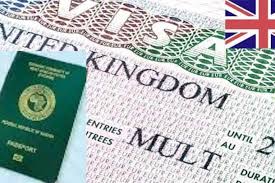
Nigerians and Jamaicans could face visa restrictions to the United Kingdom if Reform UK wins the next general election, as the party unveiled a controversial policy targeting nations formally demanding reparations for transatlantic slavery. The proposal, announced by Home Affairs spokesman Zia Yusuf, singles out countries that have received substantial UK visas and foreign aid while pressing for historical accountability.
Yusuf defended the plan in a statement reported by the Daily Mail on Monday, declaring: “A growing number of countries are demanding reparations from Britain. They ignore the fact that Britain made huge sacrifices to be the first major power to outlaw slavery and enforce this prohibition.” He added: “Astonishingly, these countries have received 3.8 million visas and £6.6 billion in foreign aid over the past 20 years. Enough is enough.”
The targeted nations include Nigeria, Jamaica, Kenya, Haiti, Guyana, Barbados, and The Bahamas, all of which have formally requested reparations for the historical crimes of slavery and colonial exploitation. The policy announcement follows weeks after a landmark United Nations General Assembly vote that declared the trafficking of enslaved Africans “the gravest crime against humanity” and called for reparatory justice .
On 25 March 2026, the UN adopted a resolution spearheaded by Ghana with 123 votes in favour, three against, and 52 abstentions, including the United Kingdom . The resolution urges member states to engage in dialogue on “reparatory justice, including a full and formal apology, measures of restitution, compensation, rehabilitation, satisfaction, guarantees of non-repetition and changes to laws, programs and services to address racism and systemic discrimination” .
Reform UK leader Nigel Farage dismissed the UN’s authority, stating: “It is now the UN telling us we should go bankrupt, to apologise for what people did in 1775 or whatever it might have been. Forget it. The UN has no legitimacy over this country whatsoever” . The party has also pledged to slash foreign aid spending by 90 per cent, capping it at £1 billion annually.
The UK Foreign Office maintains that while it acknowledges the horrors of the slave trade, its position on reparations remains unchanged. Opposition leader Keir Starmer has similarly ruled out an apology or payments, saying: “I want to look at the future rather than spend a lot of time on the past.”
The reparations movement has gained significant institutional momentum across Africa and the Caribbean. Ghana, serving as the African Union’s Champion for Advancing the Cause of Justice and Payment of Reparations, led the UN resolution campaign . The African Union has designated 2025 as the Year of Reparations and declared 2026 to 2035 the Decade of Action on Reparations, while the Caribbean Community (CARICOM) has long advocated for reparatory justice from former colonial powers.
The UN resolution specifically condemned “the trafficking of enslaved Africans and racialised chattel enslavement of Africans as the gravest crime against humanity by reason of the definitive break in world history, scale, duration, systemic nature, brutality and enduring consequences that continue to structure the lives of all people through racialized regimes of labour, property and capital” .
Barbados Poet Laureate Esther Philips addressed the General Assembly during the vote, stating: “There are spirits of the victims of slavery present in this room at this moment, and they are listening for one word only: justice” .
The Reform UK policy represents a significant hardening of stance against international reparations demands, potentially affecting diplomatic relations with Commonwealth nations and major African economies. Unlike General Assembly resolutions, which are not legally binding, UK immigration policy changes would carry immediate practical consequences for millions of potential visa applicants.