

Seven Northern States Face Weeks of Scheduled Blackouts
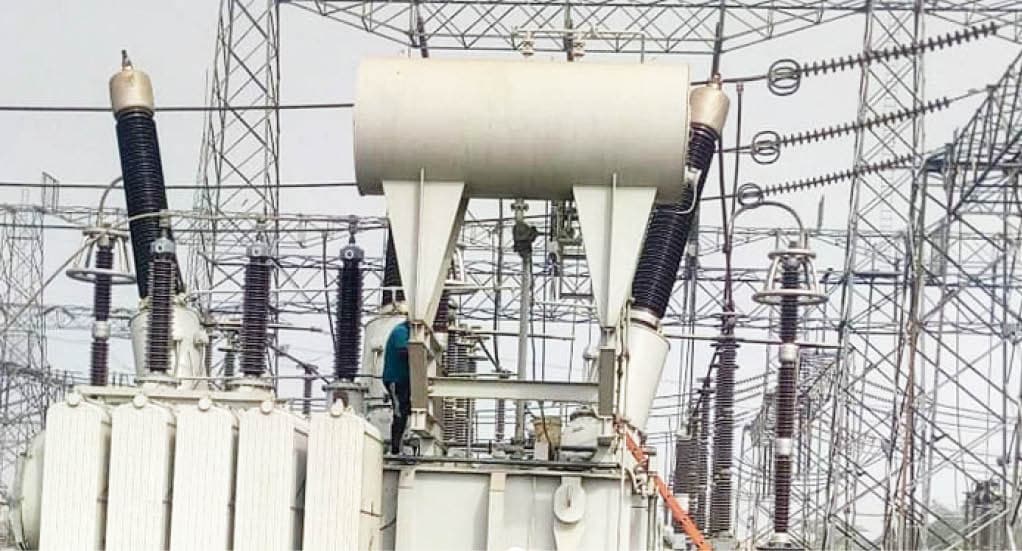 National Grid
Seven northern states will experience persistent power disruptions until late May as the Nigerian Independent System Operator begins a major grid modernisation project. Residents in Plateau, Gombe, Bauchi, Borno, Adamawa, Taraba, and Yobe states face weekly outages on the Jos–Gombe 330kV transmission line starting April 9. The agency confirmed that the blackouts will occur every Thursday through Sunday, from 9:00 a.m. to 6:00 p.m., lasting until May 22. This scheduled downtime is necessary to install fibre optic infrastructure designed to digitise the region’s decaying power network.
The project involves fitting Optical Ground Wire along the transmission corridor to improve the grid’s “intelligence.” By integrating Supervisory Control and Data Acquisition (SCADA) and Energy Management Systems (EMS), the operator aims to move away from manual fault detection. Currently, the national grid suffers from limited visibility, often leading to total system collapses when local faults go unnoticed. This upgrade should allow for real-time monitoring and more precise load balancing across the North-East and North-Central regions.
While the 330kV line is down, the system operator plans to reroute power through smaller 132kV transmission lines. However, these backup routes lack the capacity to handle the full load required by seven states. Consumers have been warned to expect “service limitations” and significantly reduced supply during the nine-hour daily outage windows. The inherent fragility of Nigeria’s transmission network means that even minor maintenance often leaves millions in the dark.
The collaboration involves both the Jos and Yola Distribution Companies, alongside the Transmission Company of Nigeria. These stakeholders are tasked with managing “feeder-level” outages to ensure the burden is distributed as fairly as possible. Despite these efforts, the economic impact on small businesses and households in the affected states is likely to be sharp. The North-East, already grappling with infrastructure deficits, remains particularly sensitive to prolonged energy instability.
Long-term gains promised by the agency include quicker restoration of electricity after faults and improved system stability. The new fibre optic backbone will serve as a telecommunications foundation for modernising power operations nationwide. Nigeria has increasingly turned to these digital solutions to address a history of frequent grid failures and inefficient energy delivery. If successful, this project will represent a rare step toward a more resilient and automated national supply chain.
The system operator has appealed for public patience, describing the temporary inconvenience as a prerequisite for a more reliable future. For the next six weeks, however, the reality for millions of Nigerians in the north will be a return to heavy reliance on petrol and diesel generators. The success of this modernisation effort will ultimately be judged by whether the promised “grid intelligence” translates into fewer unplanned blackouts once the work is done.