
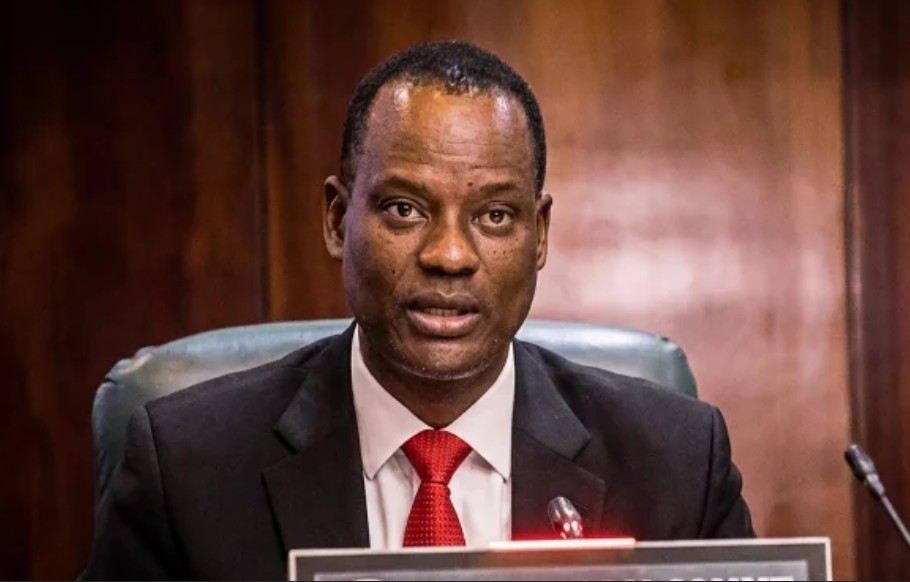
Taiwo Oyedele, the Minister of State for Finance, has admitted that the nation’s recently enacted tax reform laws contain significant errors. Speaking at a legal conference in early 2026, he blamed manual drafting processes and multiple review stages for the discrepancies. This admission follows months of confusion and allegations that the public versions of the laws differ from those passed by the National Assembly. Government officials are now working to rectify these blunders through a new finance bill. Confidence in the legislative process remains fragile as stakeholders grapple with the fallout.
The controversy peaked in late 2025 when lawmakers raised alarms about “ghost” versions of the tax text. Representative Abdussamad Dasuki led the charge, claiming the documents in circulation did not match the legislature’s approved intent. This discrepancy prompted the House of Representatives to establish a seven-member panel to investigate the legislative trail. Such inconsistencies suggest a lack of coordination between the drafting committees and the final printing offices. For a reform meant to simplify the system, these errors have provided an unfortunate irony.
Oyedele is now promising a more transparent and reliable legislative process to prevent future lapses. He insists that every version of a law should be publicly available to ensure total accountability. The proposed corrective measures aim to align the written law with the original policy intent. While the errors are embarrassing, the minister argues they do not invalidate the broader goals of the reform. He maintains that the new regime remains grounded in principles of fairness and clarity.
The primary objective of these reforms is to fix a long-standing imbalance in the Nigerian tax system. Currently, the heavy burden on corporate entities often discourages small businesses from formalising their operations. By adjusting the ratio between personal and corporate taxation, the government hopes to widen the tax base. The minister believes that reducing administrative discretion will also curb corruption within the revenue service. A predictable tax environment is essential for a country desperate to attract foreign direct investment.
Investors generally view policy unpredictability as a significant barrier to entry in the Nigerian market. Oyedele warned that sudden changes or poorly drafted laws send the wrong signal to international capital. Consistency is not merely a preference but a requirement for long-term economic planning. The government is aware that its credibility is on the line with these corrections. If the new finance bill fails to resolve the errors, the resulting legal vacuum could lead to protracted litigation.
For now, the Ministry of Finance is urging patience from the business community and the legal profession. Stakeholders are encouraged to look beyond the current textual errors to the underlying purpose of the reforms. However, lawyers at the conference remained vocal about the dangers of enforcing laws that contain known mistakes. The administration must move quickly to gazette the corrected versions if it hopes to maintain its reformist momentum. Until then, the tax landscape remains a map with several missing landmarks.