
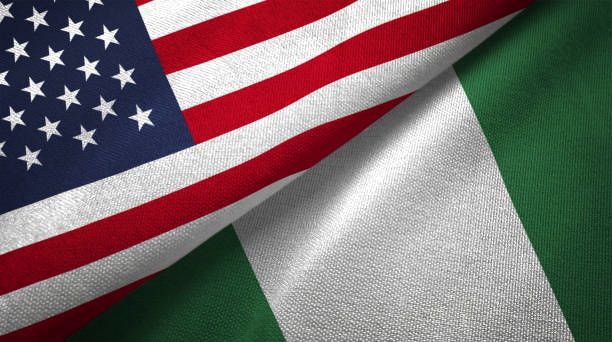
The United States has formally reactivated its Export Credit Guarantee Program (GSM-102) to deepen agricultural trade ties with Nigeria. The initiative, managed by the U.S. Department of Agriculture, provides essential credit guarantees to Nigerian banks and importers, reducing the risk associated with purchasing U.S. agricultural inputs. This move marks a strategic shift in U.S. diplomatic policy, moving from traditional development aid toward a model grounded in commercial exchange and private-sector investment.
The program’s resurgence comes against a backdrop of surging economic engagement. Agricultural trade between the two nations reached $764 million in 2025, an 84% increase from the previous year. U.S. Consul General Rick Swart highlighted that Nigeria is now a premier agricultural partner in Africa, noting that the Trump Administration prioritizes creating environments that empower entrepreneurs to build sustainable, long-term commercial infrastructure.
The GSM-102 program serves as a critical bridge for this growth by mitigating credit risk. By restoring the eligibility of Nigerian banks to participate in late 2025 and extending specific credit limits, the U.S. aims to stabilize the supply chain for essential imports. Senior USDA analyst Demeteris Hale noted that the program is designed to build market confidence, allowing lenders and exporters to commit to larger transactions that were previously deemed too risky.
A recent two-day summit in Lagos brought together U.S. agricultural exporters, Nigerian financial institutions, and local agribusinesses to formalize these linkages. Participants moved beyond policy discussion into direct business-to-business negotiations, aiming to convert the credit guarantees into concrete trade volume. Officials expect that this influx of capital and credit will not only bolster Nigeria’s food security but also foster job creation across both economies.
As Nigeria continues to navigate its food production and industrial goals, the availability of U.S.-backed financing offers a significant mechanism for upgrading agricultural technology and infrastructure. The success of this revitalized program will depend on the ability of Nigerian financial institutions to leverage the extended credit limits effectively. For the U.S. Mission, the GSM-102 represents a tangible commitment to integrating Nigeria more deeply into global agricultural value chains.