
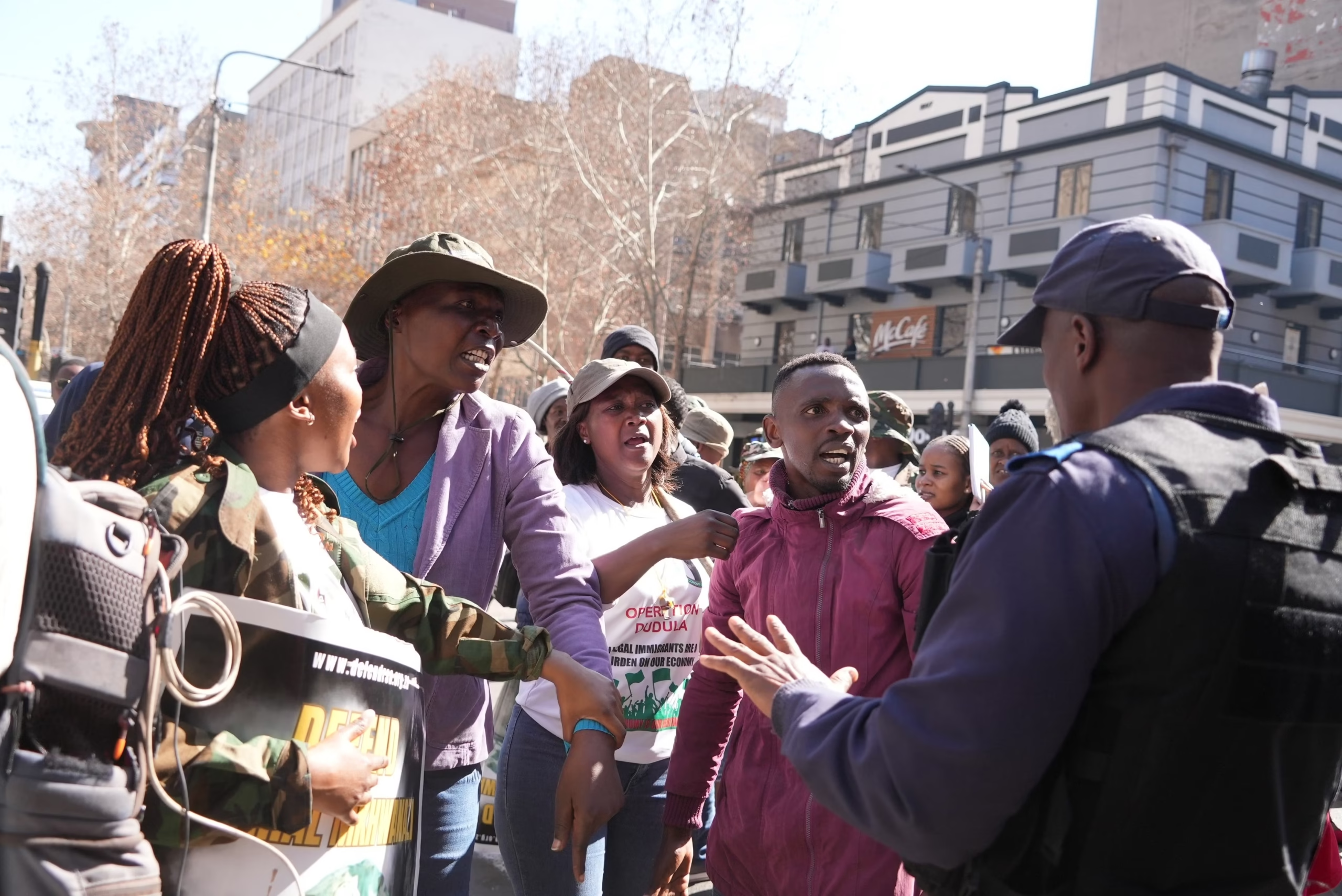
Concerns over renewed xenophobic sentiment have flared in South Africa after authorities in Durban relocated several Nigerians and other African nationals to a screening centre for immigration verification, igniting heated reactions across migrant communities and social media platforms.
According to reports monitored by Observers Times, the operation was reportedly ordered by Durban Mayor Cyril Xaba and comes amid intensifying pressure from local advocacy groups demanding tougher measures against undocumented foreign nationals residing in parts of the country.
Affected individuals were transported to a designated verification facility where officials examined residency papers, permits and other immigration documents to confirm their legal status in South Africa.
The exercise has provoked deep anxiety among African residents in Durban, with several community members describing it as a fresh indicator of mounting hostility toward foreigners. Witnesses said officials carried out inspections in neighbourhoods known to host substantial populations of migrants from Nigeria, Zimbabwe, Malawi, Ethiopia and other African nations, with residents reportedly watching in fear as groups were moved away for documentation checks.
While South African authorities insist the operation forms part of routine immigration enforcement, critics argue that it reflects a recurring pattern of anti-foreigner sentiment that has repeatedly resurfaced over the years. For many observers, the development reawakens painful memories of past xenophobic attacks, during which foreign nationals were targeted, displaced and in some instances killed during violent protests.
Videos and reports from Durban quickly gained traction online, drawing polarised reactions. Some South Africans defended the exercise as a necessary response to illegal immigration and rising crime concerns, while others warned that such operations risk escalating tensions and exposing innocent migrants to profiling and harassment.
Several Nigerians living in South Africa took to social media to express frustration, lamenting that many hardworking foreigners now live in constant fear of being unfairly treated because of their nationality.
Responding to the backlash, Mayor Xaba reportedly maintained that the verification exercise was strictly aimed at identifying undocumented persons and enforcing compliance with immigration laws. Authorities further disclosed that a significant number of those screened possessed valid documents.
Migrant rights advocates, however, insist that the optics of the operation could deepen public hostility toward foreigners, particularly at a moment when economic hardship and unemployment dominate national discourse. According to analysts cited in local reports, frustration over rising living costs and job scarcity has increasingly placed immigrants at the centre of political debate, with foreign nationals often scapegoated for South Africa’s social and economic difficulties.
Recent reporting on the matter, including by Vanguard newspaper, has highlighted how similar enforcement actions have previously preceded broader waves of anti foreigner agitation across South African cities such as Johannesburg, Pretoria and Cape Town.
As of the time of filing this report, Nigeria’s diplomatic authorities had yet to issue a definitive public statement on the development. The situation is, nonetheless, expected to attract scrutiny from human rights organisations and African diplomatic missions tracking the treatment of migrants in South Africa.
The latest episode places renewed focus on the increasingly fragile relationship between South Africa and African migrants, many of whom relocated to the country in pursuit of better economic prospects but now confront mounting uncertainty over their safety and acceptance.