
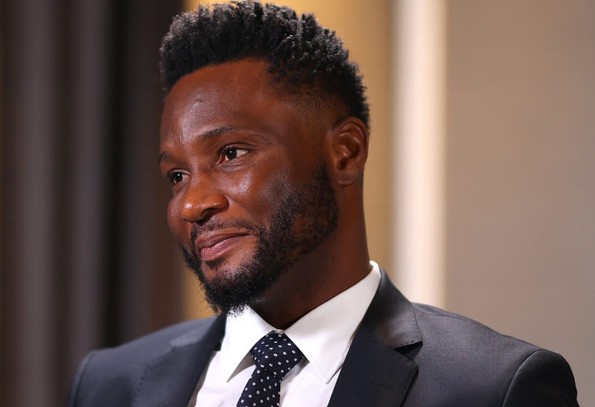
Nigeria’s back-to-back absence from the global football stage must trigger immediate administrative casualties. Former national team captain Mikel Obi has demanded the total dissolution of the Nigeria Football Federation board following the Super Eagles’ failure to qualify for the ongoing 2026 FIFA World Cup. Speaking on his regular broadcast programme, the former Chelsea midfielder described the tournament miss as a hammer blow to the national psyche. Abuja cannot continue to treat the persistent maladministration of the country’s most unifying asset as a minor sporting irritation.
The current tournament in the Americas is unfolding entirely without Nigerian participation, alienating millions of local fans and draining domestic media revenues. Mikel argued that blaming the players entirely for this structural failure is a convenient evasion of administrative accountability. While the squad must take responsibility for poor pitch performances, the deepest institutional rot sits firmly at the top. Sustained success remains impossible when the governing body prioritises personal enrichment over grassroots development. The entire executive suite has outlived its operational usefulness.
The failure marks a grim historical repetition for the three-time African champions. Having missed the previous tournament in Qatar, the federation has overseen consecutive qualification collapses for the first time in the modern era. Mikel noted that the repetitive nature of these failures proves the crisis is systemic rather than accidental. The administrators occupy their comfortable offices year after year, refusing to relinquish power or the financial windfalls that accompany it. A weak regulatory environment has allowed incompetent officials to entrench themselves within the national sports architecture.
The former captain revealed that he has repeatedly declined official invitations to return home to assist with football administration. Mikel stated that he cannot collaborate with individuals who do not share basic professional objectives or possess fundamental knowledge of the sport. The current leadership routinely misallocates development funds, leaving local infrastructure to decay while star players confront chaotic travel logistics. Proper development requires transparent budgeting and an immediate end to the patron-client networks dominating the federation. The state must starve these corrupt structures of public funds.
The economic and psychological toll of this World Cup miss extends far beyond the stadium gates. Local sports journalists, corporate sponsors, and hospitality enterprises are currently counting massive financial losses tied to the team’s absence. Historically, the national team provided a rare, potent mechanism for social cohesion during deep economic crises. By failing to secure a tournament ticket, the federation has actively deprived the citizens of a vital emotional outlet. The presidency must now look beyond mere token interventions and enforce an aggressive, top-down restructuring.
The road to the 2030 World Cup must begin with an absolute house-clearing in Abuja. The federal government must use its statutory leverage to pressure the current board into a permanent exit. Aspiring soccer nations do not tolerate successive qualification disasters without purging their technical and administrative leadership. If President Bola Tinubu wishes to restore public faith in national institutions, he must start by sanitising the dysfunctional body running Nigerian football. The era of polite administrative patience is officially over.