


Abuja: Fire Guts Kugbo Furniture Market, Firemen Awaits “Authorization”
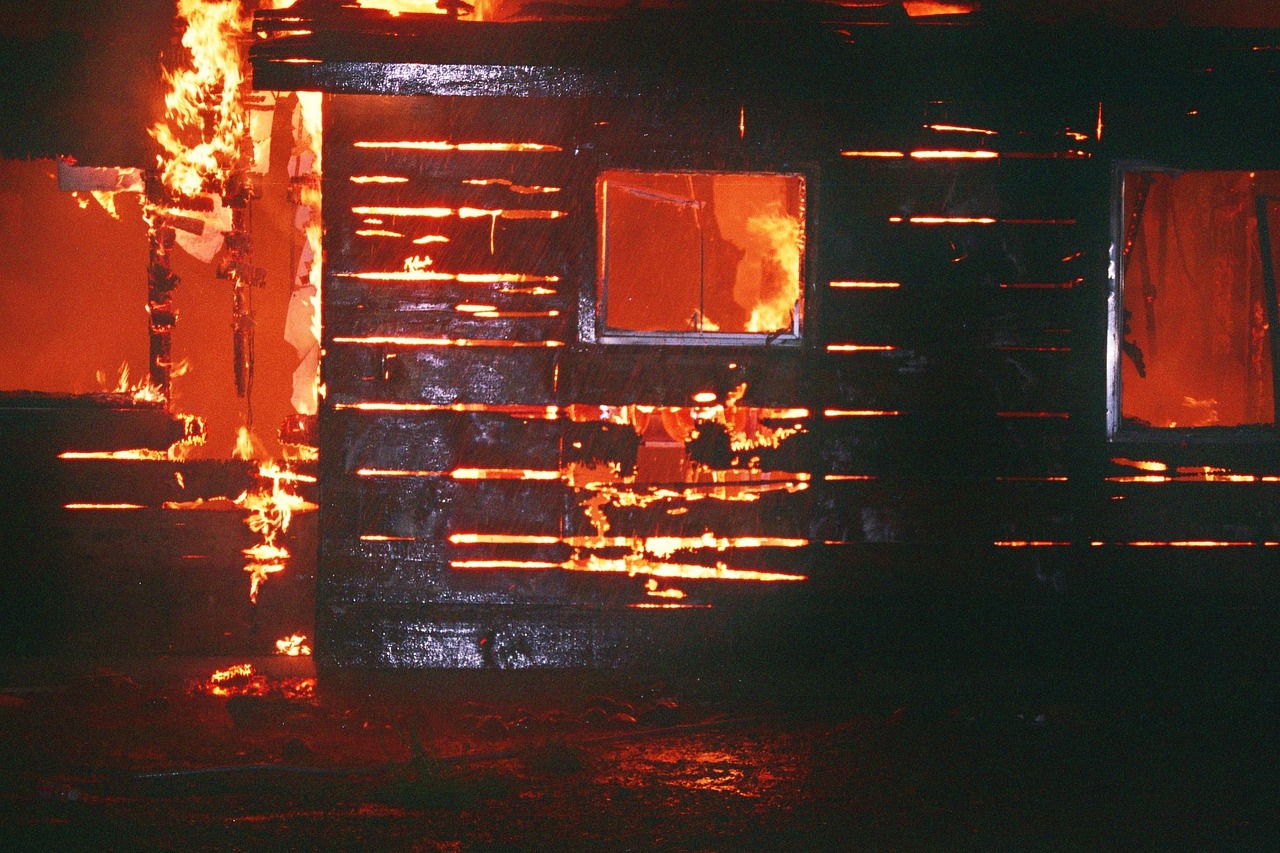
On Sunday morning, while the traders of Kugbo Furniture Market were at prayer, their livelihoods were reduced to charcoal. The fire, which razed fifteen shops and several homes, was not particularly sophisticated; it was fueled by the predictable cocktail of sawdust, varnish, and polyurethane foam. Yet, the real accelerant was not chemical, but administrative.
The local fire station is situated within the market, a proximity that should have guaranteed a swift conclusion. Instead, it provided a front-row seat to incompetence. According to witnesses, the firemen arrived but refused to discharge their water until they received “authorization” from a superior. In the time it took for a bureaucrat to check his phone, millions of naira in equipment evaporated. In Nigeria, even the flames must follow the chain of command.
Kugbo is a study on the hazards of informal urbanism. The area is a dense, combustible tangle of residential duplexes and makeshift “batcher” workshops. Landlords have long complained that the original master plan for the district, intended for housing, has been subverted by commercial desperation. When the state fails to enforce land-use laws, the market fills the void with plywood and shanties. Fire is the natural tax on such shortcuts.
The cause of the inferno remains a matter of local dispute. While traders ruled out electrical faults, there was no power at the time, suspicion has fallen on the domestic habits of the youths who sleep among the timber. Cooking in a woodshop is a recipe for catastrophe, yet in a city where housing is a luxury, the workplace often doubles as a kitchen. It is a cycle of poverty that regularly ends in smoke.
The aftermath follows a weary Nigerian script: victims plead for presidential intervention while officials refuse to comment. The FCT Fire Service, true to form, declined to speak because they were not “authorized” to do so. It is a fitting coda to a weekend of failure. When the institutions designed to protect the public are more afraid of their bosses than they are of a fire, the public is effectively on its own.