
APC Candidate Wins Bwari Chairmanship in FCT Polls
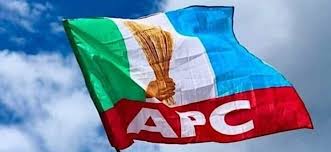
Joshua Ishaku of the All Progressives Congress has secured the chairmanship position in Bwari Area Council during the Federal Capital Territory’s area council elections, outpolling candidates from 15 other parties in a race that saw a notable pre-poll endorsement from a former rival.
The Independent National Electoral Commission Returning Officer for Bwari, Mohammed Nurudeen, announced the results on Sunday, stating that Ishaku garnered 18,466 votes. “I am the returning officer for the 2026 FCT Area Council, Bwari chairmanship election held on Feb. 21, 2026. That Joshua Ishaku, having satisfied the requirements of the law, is hereby declared the winner and is returned elected,” Nurudeen said, as reported by the News Agency of Nigeria. The African Democratic Congress candidate placed second with 4,254 votes, while the Zenith Labour Party candidate finished third with 3,515 votes.
The election covered 10 wards in Bwari: Igu, Shere, Dutse, Ushafa, Byazhin, Kuduru, Kubwa, Usuma, Bwari Central, and Kawu. Ahead of the polls, Julius Adamu, the former Peoples Democratic Party chairmanship candidate for Bwari, withdrew from the race and endorsed Ishaku, a move that likely bolstered the APC’s position in the council.
Bwari Area Council, spanning 368 square kilometers with a 2006 census population of 229,681 and projected growth to over 400,000 by 2026, serves as a key suburban hub in the FCT, hosting institutions like the Nigerian Law School and facing challenges such as infrastructure deficits and security concerns from banditry in border areas. The council has 485 polling units and 257,000 registered voters, with INEC reporting 1,587,025 Permanent Voter Cards collected territory-wide by February 10, achieving a 94.4 percent rate. Exact turnout figures for Bwari in 2026 remain pending, but early observations indicated moderate participation amid broader FCT apathy.
Security for the polls included 25,000 Nigeria Police Force personnel and 4,000 from the Nigeria Security and Civil Defence Corps, enforcing a 6 a.m. to 6 p.m. movement restriction with exemptions for essentials. The Nigeria Civil Society Situation Room noted isolated issues like late openings and vote buying in nearby councils but described Bwari’s process as relatively smooth, with Bimodal Voter Accreditation System devices functioning efficiently in most units.
Bwari’s electoral history reflects the FCT’s shifting political landscape. In 2013, the PDP’s Peter Yohanna Ushafa won amid the party’s dominance in four councils. The APC claimed victory in 2016 with John Gabaya polling 13,522 votes over PDP’s Musa Dikko’s 10,146, as part of a five-council sweep. APC retained the seat in 2019, but PDP reclaimed it in 2022 with John Gabaya (now PDP) securing 13,247 votes against APC’s Shekwolo Shehu’s 8,850, contributing to an even split across the FCT. Turnout in Bwari has historically been higher than urban averages: 19.7 percent in 2019 among 229,681 registered voters, dropping to around 9 percent in 2022 amid national apathy trends, influenced by factors like perceived limited local autonomy under FCT ministerial oversight and past logistical hitches.
The 2026 polls involved 570 candidates from 17 parties contesting 68 positions across six councils: Abaji, Abuja Municipal Area Council, Bwari, Gwagwalada, Kuje, and Kwali. Eighty-three domestic and five foreign observer groups monitored proceedings, with real-time uploads to INEC’s Result Viewing portal enhancing transparency. President Bola Tinubu congratulated winners, including those in FCT, Kano, and Rivers, praising FCT Minister Nyesom Wike’s leadership in facilitating the exercise. As full results emerge, Ishaku’s win aligns with APC’s strong showing in urban-suburban councils, potentially signaling grassroots momentum ahead of 2027.