

Atiku Reaffirms ADC as 2027 Coalition Platform
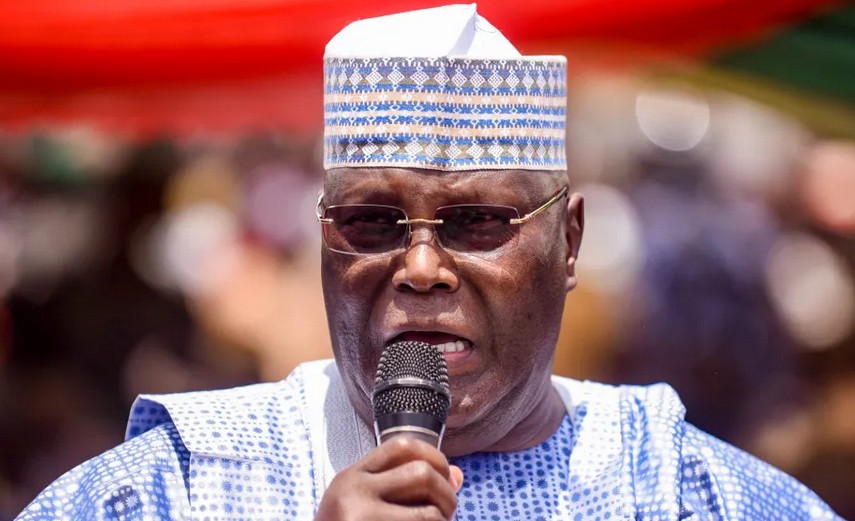
Former Vice President Atiku Abubakar has confirmed that the African Democratic Congress (ADC) remains the vehicle of choice for the opposition’s 2027 electoral bid. In a BBC Hausa interview aired on Wednesday, Atiku dismissed suggestions that the coalition might abandon the party due to its ongoing internal leadership disputes. He noted that the coalition movement is not a recent creation but the result of eighteen months of groundwork. Despite offers from other political parties to provide their platforms, the former Vice President insisted that these alternatives lack the established structure necessary for a national campaign.
The opposition’s commitment to the ADC comes at a time of significant legal and administrative friction within the party. Atiku acknowledged that “judicial processes” currently hamper political activities but expressed confidence that these hurdles would soon be cleared. This legal stalemate involves competing claims to the party’s leadership, a situation often seen in Nigerian opposition politics as elections approach. By doubling down on the ADC, Atiku is signaling a desire for institutional continuity over the risk of starting a new movement from scratch.
This endorsement serves as a strategic rebuff to the ruling All Progressives Congress (APC), which Atiku has accused of meddling in opposition affairs to foster a one-party state. The coalition, which reportedly includes figures like former Governor Nasir el-Rufai and allies of the Obidient movement, is attempting to present a unified front against President Bola Tinubu’s administration. Atiku’s insistence on the ADC suggests that the logistics of party registration and branch expansion are more valuable to the coalition than a fresh, unblemished brand.
The internal crisis within the ADC is not merely a distraction but a vital battle for control of the 2027 ticket. Atiku’s allies are currently working to resolve disputes between rival factions that have plagued the party since 2025. The former Vice President’s personal involvement in these negotiations underscores his intention to remain a central figure in the next presidential cycle. Critics, however, warn that a party mired in litigation may struggle to present a credible alternative to the electorate.
Atiku also addressed the broader political landscape, arguing that Nigeria faces a slide toward autocracy if the opposition remains fragmented. He described the ADC as a “movement” rather than just a party, implying a broader ideological alignment among its diverse members. This coalition-building exercise is a clear attempt to avoid the split votes that characterised the 2023 election. The success of this strategy rests entirely on whether the ADC can survive its own internal court battles before the primary season begins.
For now, the message from the Atiku camp is one of stubborn persistence. The choice of the ADC is a pragmatic bet on an existing structure, despite its current baggage. As the 2027 calendar begins to loom, the opposition is banking on the idea that a flawed but functional party is better than none at all. The coming months will reveal if the “judicial process” Atiku mentioned will liberate the party or leave it permanently crippled.