

CBN Board Sanctioned AMCON Takeover of Arik Air
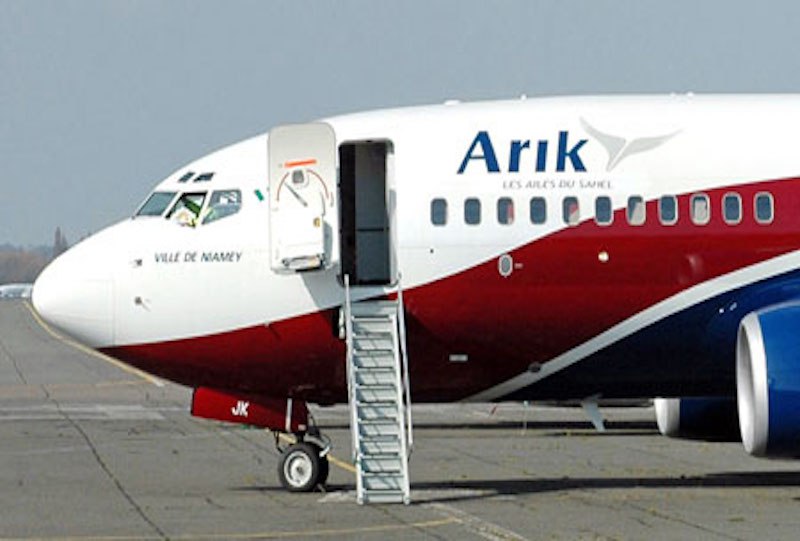
The Central Bank of Nigeria gave its formal blessing to the seizure of Arik Air, according to evidence provided by the Economic and Financial Crimes Commission. Minutes from a 2017 board meeting, chaired by former governor Godwin Emefiele, reveal a sense of panic regarding the carrier’s solvency. At the time, Arik controlled sixty per cent of Nigeria’s domestic passenger traffic. Regulators feared a total collapse within a fortnight if the state did not step in. The airline was a systemic risk dressed in a tailfin.
Asset Management Corporation of Nigeria (AMCON) officials told the board that Arik’s owners had effectively abandoned the ship. Technical partners had fled after collecting cash collateral, leaving the airline to drift toward insolvency. Three major creditor banks reportedly reached a consensus that only a state-led intervention could prevent a wider banking shock. Debt-heavy companies often find that when they become “too big to fail,” they simply become big enough to be seized. This takeover was less a rescue and more an emergency landing.
The trial of former AMCON Managing Director Ahmed Kuru and his associates now turns on how that intervention was managed. The EFCC alleges that the “rescue” involved the fraudulent conversion of 76 billion Naira and 31.5 million Dollars. Power shifted from private owners to state-appointed receivers, but the underlying rot allegedly remained. Investigators claim that funds meant to keep Arik airborne were instead diverted to settle the debts of others.
Specific allegations involve the use of Arik’s depleted coffers to pay insurance premiums for Umza Airlines. The EFCC contends that the receiver-manager failed in his fiduciary duty by treating the airline as a private slush fund. While Umza has reportedly begun repaying these sums, the act of diversion itself remains the core of the criminal charge. Stealing from a failing company is a particularly bold brand of graft. It suggests a belief that no one counts the coins in a burning house.
The defence team, a group of Senior Advocates, has successfully blocked some of this evidence for now. They argue that the insurance payments fall outside the specific six counts of the current charge. Justice Mojisola Dada agreed, ruling the insurance certificates inadmissible because they lacked a direct link to the written indictment. Legal technicalities often provide the best shield against a poorly drafted prosecution. The EFCC must now decide whether to amend its charges or tighten its logic.
This case highlights the recurring friction between Nigerian state intervention and corporate governance. AMCON was designed to be a “bad bank” that cleaned up messes, not a source of new ones. If the managers of a state-led recovery are themselves accused of looting the assets, the entire resolution framework loses its bite. The court has adjourned until February 26, 2026, to continue this trial. For now, the ghosts of Arik Air continue to haunt the docks of Ikeja.