


China Reacts to Trump’s Iran Threat
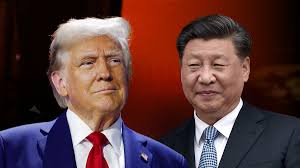
Beijing has called for an immediate cessation of military hostilities in the Middle East following United States President Donald Trump’s threat to unleash devastating strikes on the Islamic republic in the coming weeks.
Foreign Ministry spokeswoman Mao Ning told a regular press conference on Thursday that “military means cannot fundamentally solve the problem, and the escalation of conflicts is not in the interests of either side”. She urged “the parties concerned to immediately cease military operations”.
The call came as Trump, in a social media post on Monday, threatened to target Iran’s critical energy infrastructure, including power plants and oil facilities, unless Tehran agreed to a peace deal and reopened the Strait of Hormuz. The US president also claimed that “serious discussions” were underway with Iranian leadership to end the conflict, though Iranian officials have repeatedly denied any direct negotiations.
The US-Israeli military campaign against Iran entered its fifth week amid heightened tensions. Trump on Tuesday signalled that Washington could conclude its military operations within two to three weeks, telling reporters that the US “will be leaving Iran very soon” whether a formal agreement is reached or not.
Beijing has maintained a consistent position throughout the crisis. On Monday, Mao reiterated China’s stance, stating that “prolonging the war serves no one’s interests” and urging “all parties to show sincerity, seize every opportunity and window for peace, and start the peace negotiation process as soon as possible”.
China has also stepped up diplomatic engagement. The government recently proposed a five-point peace plan alongside Pakistan, which included an immediate cessation of hostilities and the rapid commencement of peace talks. Beijing previously brokered a 2023 reconciliation agreement between Iran and Saudi Arabia.
The crisis has disrupted global energy markets. Shipping analytics firm Kpler reported that Iran exported over 80 percent of its oil to China last year, though that accounted for only 13 percent of China’s seaborne crude imports. Brent crude surged to nearly $120 per barrel amid the conflict.