

Dangote Hikes Petrol Price for Fifth Time in March
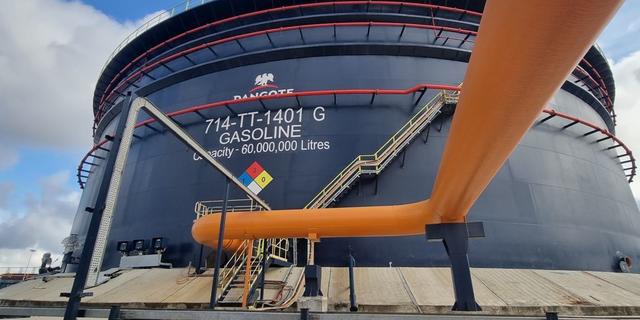
The Dangote Petroleum Refinery has raised its petrol price to N1,275 per litre, marking the fifth adjustment this month. This latest hike came just hours after a previous increase on Friday night, signalling extreme volatility in Nigeria’s deregulated market. The new rate is a N100 jump from the N1,175 seen earlier in March. Every previous price list is now void. The refinery also pushed its coastal price up by nearly 9% to N1,646,748 per metric tonne.
Domestic supply has not yet translated into domestic price stability. The gantry price has surged by over 64% since the start of the month, climbing from N774 to the current N1,275. These rapid-fire changes suggest that international crude costs and supply chain shocks are dictating terms. Even with a 650,000-barrel-per-day facility on home soil, Nigeria remains a hostage to global market dynamics. The refinery insists these reviews are necessary to reflect “prevailing market realities.”
Transport fares and commodity prices will likely follow this upward trajectory immediately. In a notice to marketers, the refinery confirmed the new regime took effect at midnight on 21 March 2026. Customers with existing credit arrangements must now cover the price difference to continue loading. The sheer frequency of these hikes—twice in less than 24 hours—underscores the intensity of the current pricing pressure. It is a blunt reminder that deregulation is a double-edged sword.
Read Also: South Africa Leads African Rush for Dangote Fuel
While Nigerians feel the pinch, the rest of the continent is knocking on the door. South Africa, Ghana, and Kenya have formally approached the refinery to secure fuel supplies. Ongoing disruptions from the war involving Iran have choked traditional Middle Eastern routes, making the Lekki facility a strategic lifeline. This surge in regional demand is likely adding further pressure to domestic pricing. The refinery is no longer just a national asset; it is a continental prize.
The price movement this month has been relentless and steep. On 2 March, the price rose from N774 to N874, followed by a jump to N1,050, and then N1,175. Friday’s initial move to N1,245 lasted only a few hours before the final leap to N1,275. Such volatility makes long-term planning for businesses almost impossible. The “Dangote effect” was expected to bring calm, but for now, it has brought only high-speed inflation.
The government’s role in this new era is increasingly hands-off. With the downstream sector fully deregulated, the state no longer cushions the blow of these adjustments. Market forces are now the sole arbiter of what Nigerians pay at the pump. While the refinery provides the physical product, price protection is a thing of the past. The public must now brace for a fresh wave of secondary inflation across all sectors of the economy.