

Dangote Refinery Exports 456,000 Tonnes to African Markets
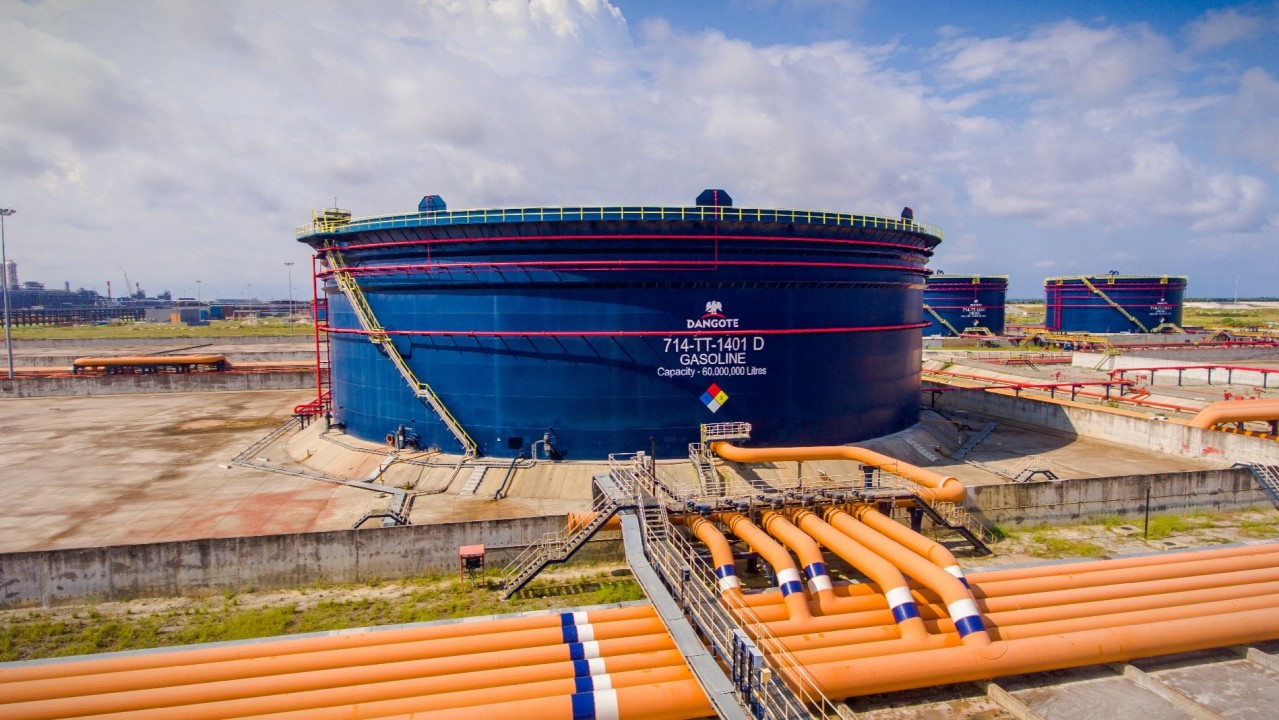 Dangote Refinery & Petrochemicals
The Dangote Petroleum Refinery has commenced large-scale exports of refined fuel to five African nations, marking a shift in West Africa’s energy dynamics. International traders recently moved 12 cargoes totalling 456,000 tonnes of petroleum products to markets in Côte d’Ivoire, Cameroon, Tanzania, Ghana, and Togo. This milestone follows the facility reaching its full processing capacity of 650,000 barrels per day in February.
Sales occurred on a Free on Board (FOB) basis, allowing global middlemen to distribute Nigerian-refined Petrol (PMS) across the continent. The refinery management claims this volume proves the plant can satisfy Nigeria’s domestic needs while yielding a significant surplus for export. For decades, Nigeria remained a net importer of fuel despite its vast crude reserves, a paradox this facility aims to resolve.
The exports consist primarily of Euro 5 grade gasoline and diesel, which offer lower sulphur content than traditional regional imports. West Africa has long served as a destination for low-quality fuels rejected by European regulators. By producing higher-standard products locally, the refinery intends to improve air quality and engine longevity across the sub-region. Proximity sourcing from Lagos should also reduce the logistical lag inherent in shipping fuel from North Sea or Gulf Coast refineries.
Energy security in East and Central Africa also stands to gain from this new supply artery. Tanzania’s inclusion in the initial export list suggests the refinery’s reach extends well beyond its immediate Atlantic neighbours. Strengthening these trade ties could lower price volatility by providing a more stable, regional alternative to the global spot market. The refinery expects these shipments to foster deeper economic integration within the African Continental Free Trade Area.
The facility’s transition to an export powerhouse creates a new source of foreign exchange for the Nigerian economy. While the domestic market remains the priority, the ability to earn dollars through refined product sales provides a hedge against local currency fluctuations. This commercial pivot signals the end of the “toll-gate” model, where Nigeria exported raw crude only to buy it back as finished fuel.
Sustaining this momentum will require a consistent crude oil supply and efficient port logistics at the Lekki Free Trade Zone. The refinery’s management appears confident that its infrastructure can handle the dual pressure of local demand and international contracts. If these volumes remain steady, Nigeria will likely become the primary energy hub for the entire continent by the end of the decade.