


Dangote Refinery Hikes Petrol Price to N1,175
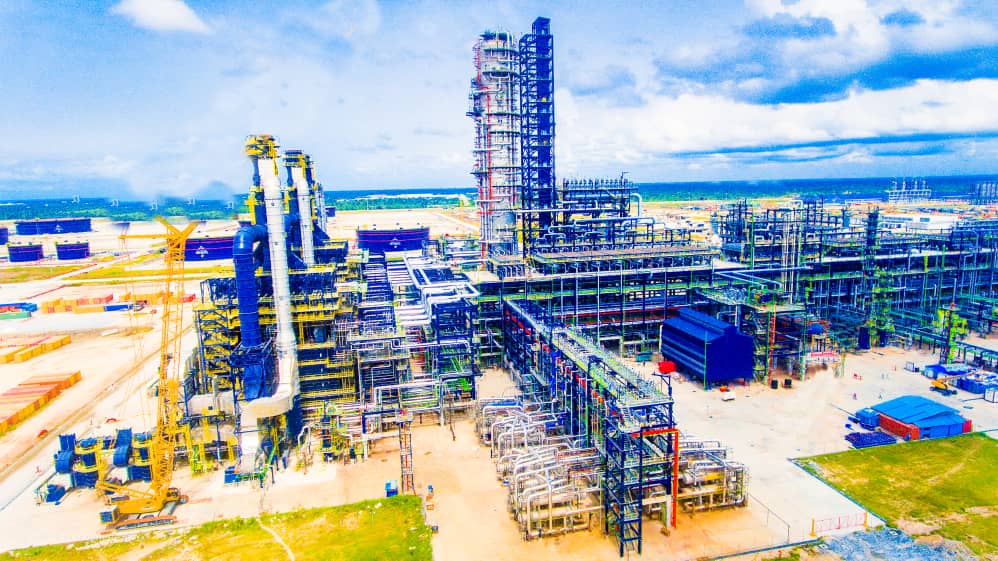
The Dangote Petroleum Refinery has raised the ex-depot price of petrol to ₦1,175 per litre. This marks the third price increase in a single week. The refinery communicated the new gantry rate to marketers on Monday morning. This latest jump represents an 18 per cent surge in just three days. It follows a Friday adjustment that had already pushed the price to ₦995 per litre.
Only a week ago, the refinery sold petrol at ₦774 per litre. The rapid succession of hikes suggests a volatile pricing strategy or intense pressure from crude costs. Marketers must now find more liquidity to lift products from the Lekki facility. These costs will inevitably pass to the pumps at filling stations across the country. Nigerians should expect another round of transport fare increases.
The refinery also adjusted the price of diesel to ₦1,620 per litre. High diesel costs drive up the price of moving food and goods. This double blow to energy costs complicates the inflation outlook for the central bank. Logistics firms will likely review their haulage rates before the week ends. The refinery appears to be aligning its prices with broader market realities.
The shifts signal an end to the brief hope of cheap local fuel. While domestic refining removes some shipping costs, it does not bypass global crude markets. Aliko Dangote has previously stated that his prices would reflect international benchmarks. The speed of these adjustments proves that the refinery is not a subsidy vehicle. Private enterprise prioritizes margins over social safety nets.
Independent marketers may struggle to keep pace with these frequent changes. Many smaller players lack the capital to absorb such sharp, sudden price swings. This could lead to temporary shortages as stations wait for new supplies at higher rates. The Nigerian National Petroleum Company Limited remains the primary competitor in this space. Its own pricing strategy will now come under renewed public scrutiny.
High fuel prices act as a regressive tax on the Nigerian workforce. The economy relies heavily on small petrol generators for daily business operations. Every naira added to the litre shrinks the disposable income of the middle class. The government has yet to offer a meaningful buffer against these soaring energy costs. For now, the market dictates the rhythm of Nigerian life.