

DisCos Collect N204bn as Gas Debts Cripple Power Generation
Nigerian electricity distribution companies (DisCos) collected N204.74 billion from consumers in January 2026, despite a near-collapse of the national grid. Data from the Nigerian Electricity Regulatory Commission (NERC) reveals that revenue remained high even as power supply plummeted to roughly 2,000 megawatts. This paradox was driven by a debt crisis between gas suppliers and generation companies, which led to a massive reduction in available electricity. While homes and businesses sat in darkness, the utilities maintained a billing efficiency of nearly 80%.
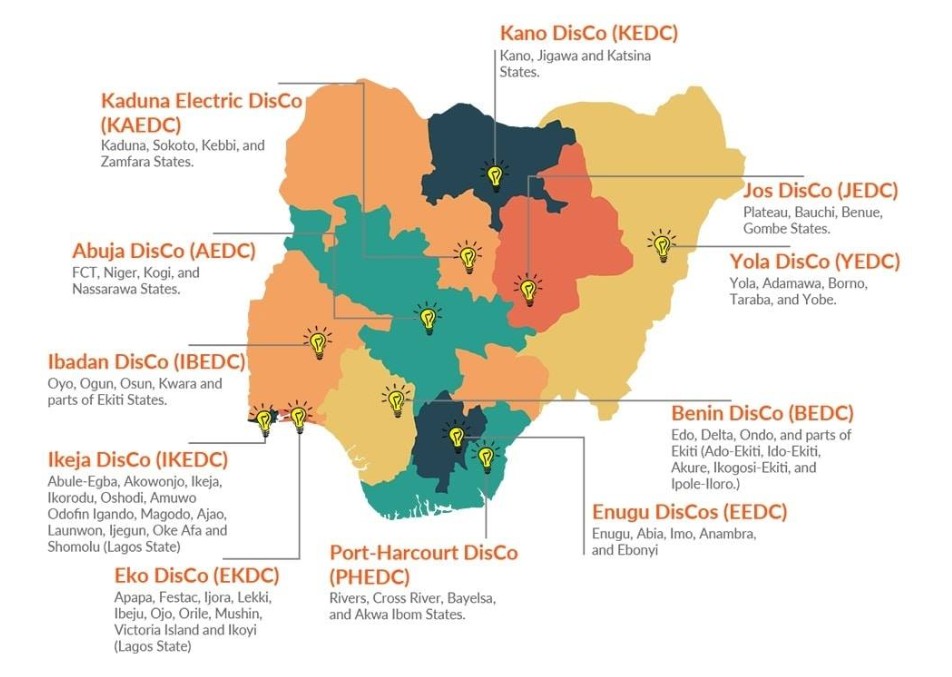
The financial performance across the eleven DisCos was led by Ikeja Electric, which raked in N38.8 billion. Abuja and Eko DisCos followed closely, each securing approximately N35.88 billion in revenue. At the lower end of the spectrum, Yola DisCo collected just N4.55 billion, while Kaduna and Jos recorded N10.04 billion and N13.09 billion, respectively. The disparity in collections highlights the varying economic density and infrastructure quality across the different regions.
The root of the January blackouts lies in a $1.3 billion debt owed to gas producers. These suppliers cut off fuel to thermal power stations at the start of the year, forcing a drastic drop in generation from December 2025 levels. Despite this supply shock, DisCos received energy worth N336.43 billion and issued bills totalling N268.2 billion. This disconnect between service delivery and revenue collection has drawn sharp criticism from consumer advocacy groups.
Chijoke James, Chairman of the Electricity Consumers Association of Nigeria, characterized the report as evidence of an “extortionist tendency” within the sector. He noted that unmetered customers bear the financial burden of the sector’s technical inefficiencies through estimated billing. These consumers are essentially paying for services they never received during the month-long supply crisis. According to James, this guaranteed revenue stream provides little incentive for DisCos to accelerate the federal government’s mass metering programme.
The NERC factsheet underscores a persistent structural failure in the Nigerian Electricity Supply Industry. While the financial health of the DisCos appears robust on paper, it is decoupled from the operational reality of the grid. The industry continues to struggle with a “liquidity squeeze” caused by the same debts that led to the gas cut-offs. Until the $1.3 billion debt to gas producers is settled, the cycle of low generation and high billing is likely to persist.
For the average Nigerian consumer, the January figures represent a deepening frustration with the “pay-for-darkness” model. Government attempts to reform the sector through digital infrastructure and improved metering have yet to yield a stable supply. As the national grid remains fragile, the focus of the regulator will likely shift toward enforcing stricter penalties for service failure. For now, the DisCos remain financially liquid while the country remains largely in the dark.