


Edun Defends Economic “Correction” Amid Revenue Shortfalls
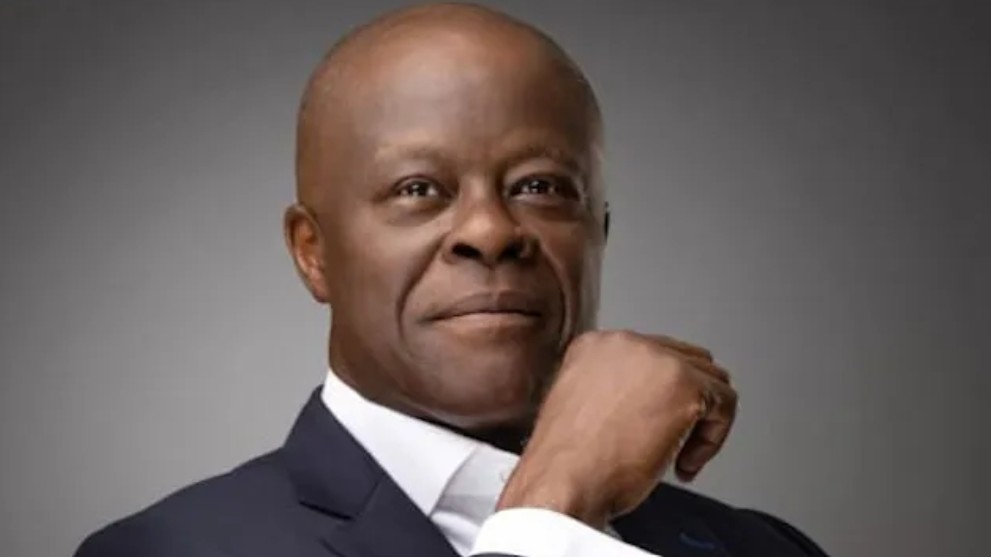
The Minister of Finance and Coordinating Minister of the Economy, Wale Edun, has dismissed fears of a fiscal collapse, describing Nigeria’s current economic turbulence as a necessary “fiscal correction.” In a detailed brief released on Friday, Edun argued that the administration is prioritising long-term sustainability over “short-term illusion.” The document, aimed at deepening public understanding of the nation’s accounts, follows intense scrutiny from the National Assembly regarding rising debt service and stalled capital projects.
A central pillar of Edun’s defence is the distinction between Federation Revenue and Federal Government Revenue. He noted that the public often confuses the two, leading to a misunderstanding of why the centre appears cash-strapped while states remain liquid. While the federal government receives the lion’s share of oil and gas receipts (up to 65%), it only keeps 20% of Value Added Tax (VAT). Consequently, when oil production underperforms, the federal budget takes a disproportionate hit, while states—buffered by 80% of VAT—remain relatively shielded.
The numbers reveal a stark performance gap in the energy sector. For the 2024–2025 period, projected oil and federation revenue was set at N37.4 trillion, but actual receipts crawled in at just N7 trillion—a mere 19% performance. Edun claimed that had these projections been met, the federal government would have had an additional N15 trillion to deploy. This shortfall has directly constrained the execution of the capital budget, though the Minister insisted that projects are being “under-executed” rather than abandoned.
On the sensitive issue of debt, Edun argued that rising costs do not equal fiscal recklessness. In 2024, debt servicing gulped N12.63 trillion—N4 trillion more than budgeted. He attributed this spike to macroeconomic shocks beyond the government’s immediate control, specifically the sharp depreciation of the naira and rising domestic interest rates. He maintained that while debt has grown in nominal naira terms, it is not “growing uncontrollably” when viewed against the broader structural reforms intended to discipline future spending.
The briefing coincided with optimistic claims from the Ministry of Agriculture. Agriculture Minister Abubakar Kyari declared on Friday that efforts to combat food inflation are yielding results, asserting that prices for essential commodities have dropped by 50% nationwide. While this figure may surprise many Nigerians facing high market prices, it forms part of a broader government narrative that the “correction” is beginning to bear fruit.
Foreign investors have also been offered a fresh round of reassurances that Nigeria’s business environment remains secure. Edun’s “correction” narrative suggests that the pain of the current reforms is the intended price for a more transparent and growth-enabling future. However, with oil revenues underperforming so drastically, the government’s ability to fund its N11.7 trillion capital expenditure remains the primary concern for observers. The success of this fiscal pivot now rests on whether the administration can bridge the gap between optimistic projections and the reality of the counting house.