

El-Rufai Arraigned as Kaduna Courtroom Becomes Fortress
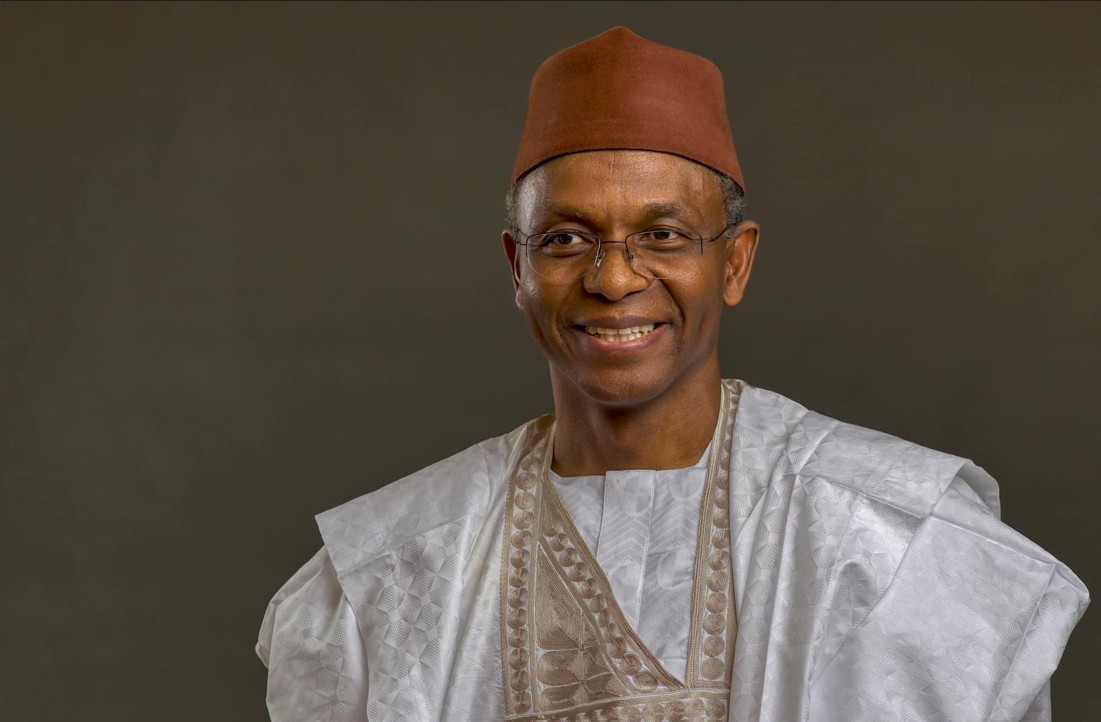
Nasir El-Rufai, the former Governor of Kaduna State, appeared in court on Tuesday morning to face a barrage of corruption and security charges. Shuttered in a white van and flanked by a heavy Department of State Services (DSS) escort, the former governor made his first public appearance since his February arrest. The Independent Corrupt Practices and Other Related Offences Commission (ICPC) is leading the prosecution. The charges are numerous, spanning abuse of office, fraud, and money laundering. This trial marks a significant escalation in the federal government’s anti-corruption drive against high-profile former officials.
Security forces have turned the Federal High Court in Kaduna North into a virtual fortress. Armed operatives have restricted movement across the area, partially closing the main dual carriageway to manage the crowds and potential security threats. Beyond the corruption allegations, the state is also arraigning El-Rufai on charges related to cybercrime and threats to national security. The dual-track legal assault involves both the Federal High Court and the Kaduna State High Court. The presence of the DSS suggests the government views this case as more than a simple financial inquiry.
The ICPC’s case centres on the alleged conversion and possession of public property during El-Rufai’s eight-year tenure. According to a statement by commission spokesperson John Okor Odey, the suits were officially filed on March 18, 2026. One specific charge involves “conferring undue advantage,” a legal term typically used when a public official steers contracts or assets to associates. Prosecutors claim to have unearthed a complex web of transactions that diverted state resources into private hands. The former governor has consistently denied these claims through his legal team, describing them as politically motivated.
A separate case at the Kaduna State High Court adds another layer of jeopardy for the embattled politician. This state-level suit focuses on administrative fraud and specific instances of office abuse. Co-defendants were also brought into the courtroom at 9:31 a.m., though their identities remain partially obscured by the heavy security detail. The prosecution intends to demonstrate that the alleged graft was not incidental but systemic. This “pincer movement” by federal and state prosecutors significantly complicates El-Rufai’s defence strategy.
The political atmosphere in Kaduna is electric as supporters and critics gather outside the security perimeter. El-Rufai remains a deeply polarising figure whose reforms to the state’s civil service and urban infrastructure won him both admirers and fierce enemies. His arrest in February sent shockwaves through the ruling party, signalling that no former “political heavyweight” is untouchable. The outcome of this trial will likely redefine the boundaries of executive immunity and accountability in Nigeria’s Fourth Republic.
As the proceedings unfold, the court must now weigh the ICPC’s evidence against the former governor’s vigorous defence. The trial is expected to be lengthy, given the volume of financial records and testimonies involved. Legal experts note that the inclusion of national security charges suggests the government may seek to keep certain portions of the trial behind closed doors. For now, the “Giant of Kaduna” sits in the dock, facing a legal reckoning that could see him spend years behind bars if convicted.