


El-Rufai Links Dadiyata’s Abduction to Ganduje-led Kano Police Team
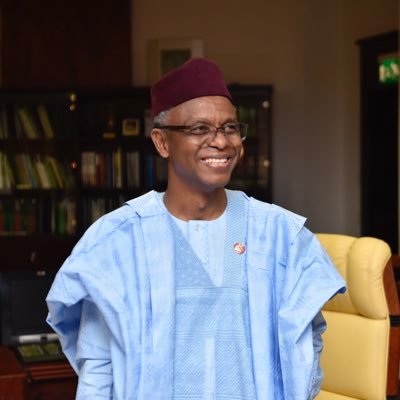
KADUNA — Former Governor Nasir El-Rufai has broken his silence on the 2019 disappearance of Abubakar Idris, popularly known as Dadiyata, pointing fingers at a police hit squad from Kano State. In a revealing interview with Arise Television on Friday, El-Rufai dismissed long-standing claims that the Kaduna State Government orchestrated the academic’s abduction. He maintained that Dadiyata was never a critic of his administration but a vocal opponent of the former Kano State Governor, Abdullahi Ganduje. Consequently, the former Kaduna helmsman urged investigators to question the Kano State Government regarding the activist’s whereabouts.
The former governor shared a specific lead, citing a confession from a police officer reassigned from Kano to Ekiti State. According to El-Rufai, this officer admitted to being part of a team sent specifically to abduct Dadiyata from his Barnawa residence. Furthermore, El-Rufai argued that his administration only became aware of Dadiyata’s existence after the family reported the kidnapping. He challenged rights groups to review the victim’s social media timeline, which allegedly focuses exclusively on Kano politics and the Kwankwasiyya movement. Meanwhile, the Federal High Court’s 2020 order for security agencies to produce the lecturer remains unfulfilled and largely ignored.
The timing of this revelation coincides with a period of intense legal and political pressure on the former governor. Human rights activists note that Dadiyata was seized on Kaduna soil, placing a fundamental protection duty on the state government. Amnesty International continues to classify the case as an “enforced disappearance,” a hallmark of systematic suppression of dissent. In a related development, El-Rufai himself alleged on Friday that National Security Adviser Nuhu Ribadu recently ordered his own abduction. This escalating war of words highlights the deepening friction between the former governor and the current federal security architecture.
Furthermore, the legal clock is ticking for the Idris family under Section 164(1) of the Evidence Act. If Dadiyata remains missing until August 2026, the law may officially presume him dead after seven years of absence. The family has consistently faulted the “shameful silence” of successive administrations while mourning the death of their mother from a broken heart. Until a credible investigation follows El-Rufai’s new leads, the “Where is Dadiyata?” campaign will continue to haunt the Nigerian civic space.
Ultimately, El-Rufai’s testimony shifts the burden of proof to the Kano State authorities and the police hierarchy. The nation now waits to see if the Presidency will order a fresh probe based on these specific allegations of cross-border abduction. This case remains a chilling reminder of the perils of political commentary in the digital age.