

Electoral Act Reforms: Peter Obi Joins Youth Protesters at National Assembly
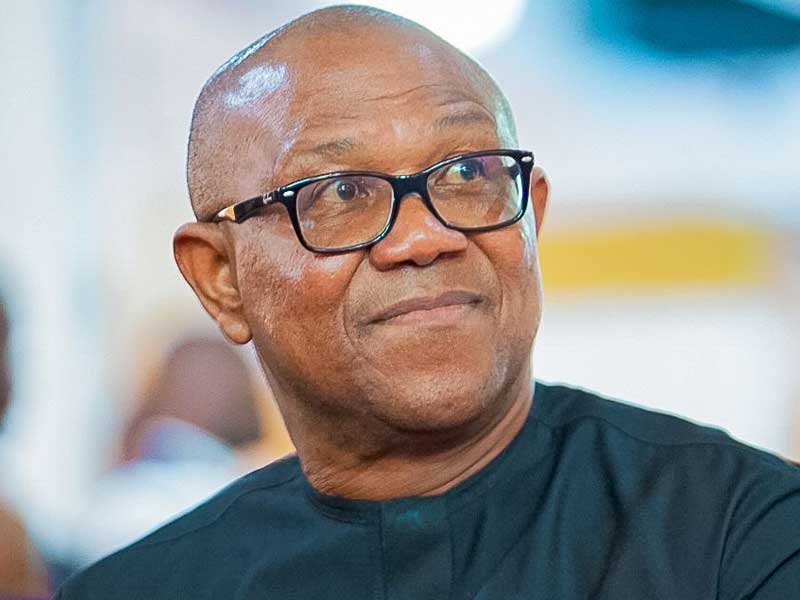
The Nigerian political landscape witnessed a dramatic escalation on Monday as Peter Obi joined hundreds of aggrieved youths at the National Assembly. This unexpected appearance followed several days of rising tensions over the controversial 2026 amendments to the Electoral Act. Protesters primarily demand the immediate reinstatement of mandatory electronic transmission of results from all polling units nationwide. The former presidential candidate arrived at the legislative complex to express total solidarity with the youthful demonstrators earlier today. Security personnel maintained a cautious perimeter as the crowd chanted slogans demanding absolute transparency for the 2027 polls. Consequently, the presence of the veteran politician has transformed a localized demonstration into a significant national news event.
The youth-led movement identifies the recent legislative deletions as a deliberate attempt to undermine the sanctity of the vote. Many protesters carried placards criticizing the Senate’s decision to maintain discretionary powers for the electoral umpire regarding technology. Furthermore, the demonstrators argued that removing legal requirements for real-time result uploads invites massive manipulation during future contests. Obi addressed the energetic crowd, insisting that the will of the people must remain the primary focus. He emphasized that the survival of the Nigerian democracy depends heavily on the integrity of the ballot box. Conversely, legislative leaders maintain that the current amendments seek only to provide the commission with necessary operational flexibility.
The atmosphere around the Three Arms Zone remained charged as civil society groups mobilized more citizens for the cause. In a related development, several minority caucus members emerged from the chambers to briefly engage with the protesting leadership. They promised to revisit the contentious clauses during the next plenary session to reflect the public’s overwhelming concerns. Furthermore, the Nigeria Labour Congress has indicated its intention to support the agitation if the parliament refuses to act. These combined pressures place the National Assembly in a difficult position as the budget cycle also enters a critical stage. Strategic observers believe that the current agitation reflects a deeper frustration with the overall pace of national institutional reforms.
Ultimately, the successful resolution of this electoral dispute remains vital for the stability of the upcoming general elections. The government must balance the technical requirements of the electoral body with the public’s demand for verifiable transparency. Furthermore, the active participation of high-profile political figures adds a complex layer of partisan scrutiny to the legislative process. It remains to be seen if the parliament will bow to the mounting pressure from the streets. For now, the gates of the National Assembly remain the focal point of a nation’s collective hope.