


Electricity: FG Targets Aggressive Gas-to-Power Linkage to Boost Supply
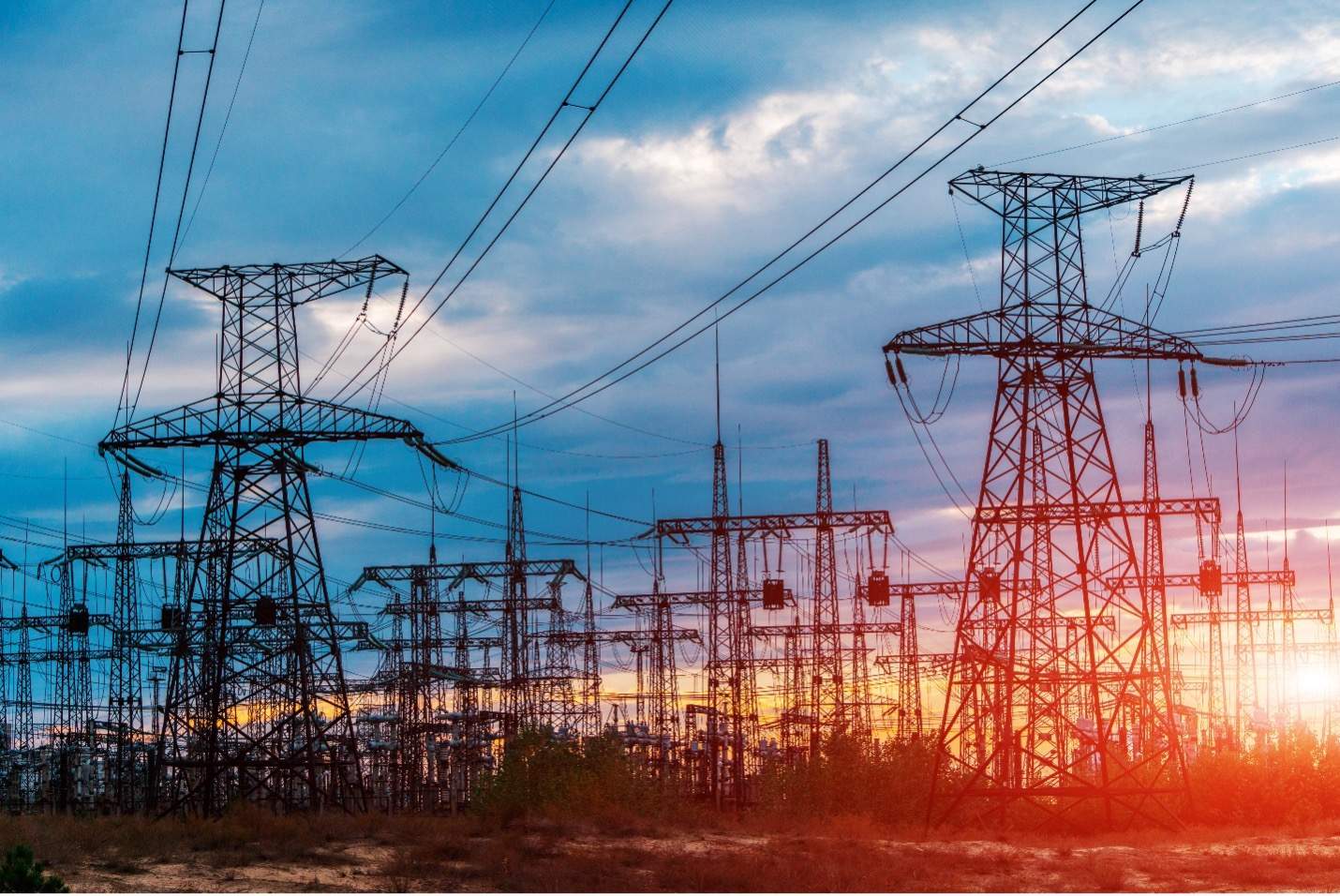
The Federal Government has initiated a fresh strategic framework to synchronize domestic gas production with national power requirements. This policy aims to eliminate the persistent supply bottlenecks currently hindering the stability of the national electricity grid. Minister of State for Petroleum Resources (Gas), Ekperikpe Ekpo, officially disclosed this directive during a recent industry summit. The government identifies the lack of reliable feedstock as the primary cause of frequent thermal station shutdowns. Consequently, the Ministry is now prioritizing the direct delivery of gas to critical power generation hubs nationwide. This development represents a decisive shift toward a more integrated and functional national energy value chain.
The new mandate seeks to harmonize the operations of gas producers with the technical needs of GenCos. Currently, several power plants operate significantly below their installed capacities due to severe gas supply shortages. Furthermore, the government intends to implement a more transparent payment mechanism for gas suppliers to encourage investment. The lack of financial liquidity within the power sector historically discouraged private firms from expanding production. Conversely, a more robust gas-to-power linkage will likely reduce the frequency of total national grid collapses. Authorities believe that domestic energy security must rest on the efficient utilization of our vast gas reserves.
In a related development, the Nigerian National Petroleum Company Limited is expanding its pipeline infrastructure to support this. These new conduits will facilitate the seamless transfer of molecules from the Delta to northern industrial clusters. Furthermore, the Nigerian Midstream and Downstream Petroleum Regulatory Authority is enforcing stricter compliance with domestic supply obligations. These regulatory measures aim to ensure that producers do not prioritize lucrative export markets over national needs. The government argues that stable electricity remains the most vital catalyst for the country’s struggling manufacturing sector. Successful implementation of these reforms could potentially lower the operational costs for thousands of local businesses.
Ultimately, the sustainability of this initiative depends on the total resolution of the sector’s mounting legacy debts. Gas suppliers require firm guarantees that power off-takers will honor their financial commitments in a timely manner. Furthermore, the government must address the rising cases of pipeline vandalism that disrupt the steady flow of gas. Effective protection of these critical national assets remains essential for the success of the new energy roadmap. The Journal Nigeria will continue to monitor the impact of these policies on the daily electricity supply. For now, the nation watches to see if these blueprints will finally translate into brighter Nigerian homes.