


FAAC Distributes N1.894trn Despite Revenue Dip
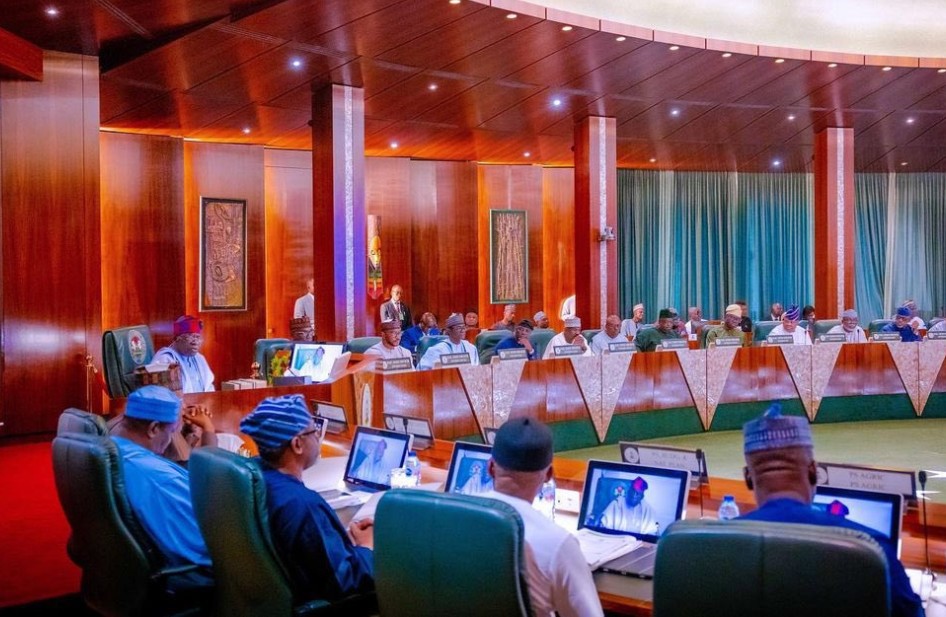
The Federation Account Allocation Committee (FAAC) has disbursed N1.894 trillion to Nigeria’s three tiers of government for February 2026. The distribution, approved during a meeting in Abuja on Friday, saw the Federal Government take N675.088 billion, while the 36 states shared N651.525 billion. The 774 local government councils received N456.467 billion. Although the total shared remains substantial, the underlying figures reveal a sharp contraction in several of Nigeria’s primary revenue streams.
Gross revenue for the month reached N2.230 trillion before statutory deductions were applied. From this total, the committee removed N77.302 billion for collection costs and set aside N259.078 billion for transfers, refunds, and savings. The remaining pool comprised N1.274 trillion in statutory revenue and N619.119 billion from Value Added Tax (VAT). Oil-producing states received an additional N110.949 billion as their 13% derivation share.
The February figures signal a notable cooling in fiscal performance compared to the start of the year. Gross statutory revenue fell by over N395 billion from January, dropping to N1.561 trillion. VAT collections followed a similar downward trajectory, plummeting from N1.083 trillion in January to N668.450 billion. This decline in consumption tax revenue suggests a tightening in economic activity or a correction following the seasonal peak of the new year.
While the “headline” distribution remains high, the revenue composition is shifting. The committee noted significant declines in Petroleum Profit Tax, Companies Income Tax, and Stamp Duties. These are critical indicators of corporate health and transactional volume. Conversely, oil and gas royalties and excise duties recorded modest increases, providing a slight cushion against the drop in direct taxes.
The Federal Government’s share of the statutory pool amounted to N613.174 billion, whereas the states received the larger portion of the VAT pool at N340.515 billion. This highlights the states’ growing reliance on consumption taxes to fund their monthly obligations. Import duties and the Common External Tariff also saw marginal gains, suggesting that trade volumes have remained relatively stable despite the dip in internal tax receipts.
For governors and local chairmen, the February allocation provides necessary liquidity for civil service salaries and capital projects. However, the volatility in tax collections will likely prompt calls for more aggressive domestic revenue generation. As the committee meets monthly to balance the books, the focus for March will be on whether the decline in VAT and corporate taxes is a temporary blip or a more persistent trend.