


Federal Ministry of Environment Flags Ten States for Flood Risk
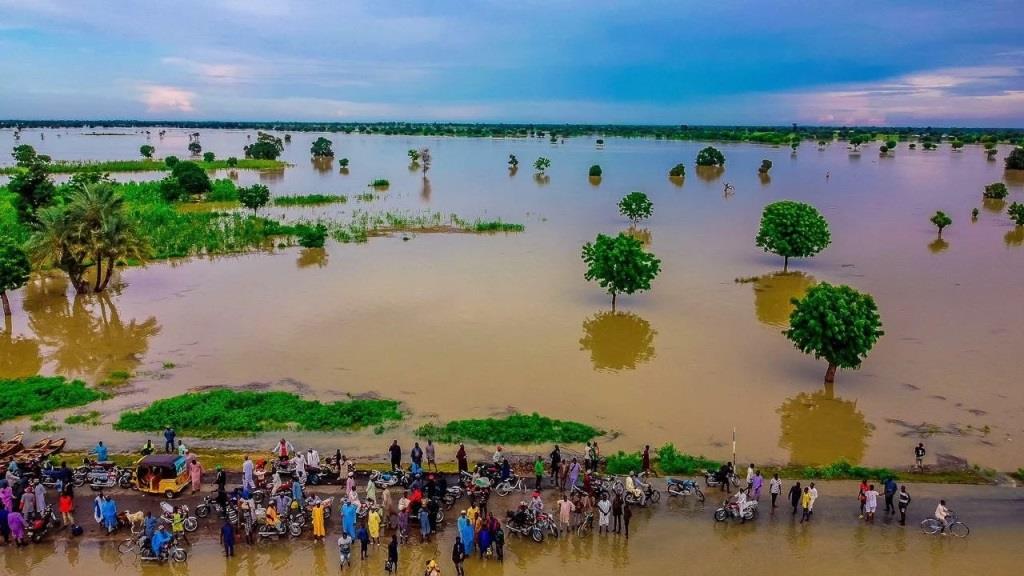
The Federal Ministry of Environment has placed ten states on high alert for potential flooding between April 8 and April 12, 2026. Heavy rainfall is expected to lash communities across the south and central belts, threatening homes and infrastructure. Usman Bokani, Director of the Erosion, Flood and Coastal Zone Management Department, signed the urgent notice on Wednesday. This warning follows a pattern of erratic weather that has already seen deceptive early rains across the country. Relevant stakeholders must now activate emergency protocols to mitigate the risk to life and property.
The list of high-risk areas spans a broad geographic range from the Niger Delta to the eastern heartlands. In the south-east, communities in Ebonyi, Anambra, Imo, and Abia face significant threats. Specific locations mentioned include Afikpo, Onitsha, Owerri, and Umuahia. These urban centres are particularly prone to flash floods due to drainage challenges. Delta and Rivers states also feature on the danger list, with Oko Anara and Port Harcourt expected to see heavy downpours.
Further west and north, the warning extends to Ogun, Taraba, Cross River, and Benue. In Taraba, multiple settlements, including Donga, Lau, and Serti, are at risk of riverine flooding. Residents in Ayetoro and Ilaro in Ogun State have been advised to brace for rising water levels. The ministry identified Igumale in Benue as a primary point of concern for central Nigeria. Such widespread alerts suggest a moisture-heavy weather system moving across the lower and middle regions of the country.
This forecast complicates an already confusing season for Nigerian agriculture. Earlier this year, the Nigerian Meteorological Agency warned farmers against early planting following “deceptive” rains in February. Many who ignored that advice now face the prospect of seeing young crops submerged or washed away. The federal authorities are keen to avoid a repeat of past disasters where a lack of preparation led to massive displacement. State governments are being urged to clear blocked waterways and sensitise residents in flood-prone lowlands.
Lagos State had already issued a similar bracing call in March, anticipating a particularly intense rainy season. The current federal notice reinforces the reality that the window for preventive maintenance is closing fast. While the predicted period of heavy rain is short, the intensity could overwhelm existing infrastructure. Local emergency management agencies remain the primary responders if these predictions manifest as physical disasters. Success depends entirely on the speed of local intervention and community compliance with evacuation orders.
Nigeria’s flood management has historically been reactive rather than proactive. This early warning represents an attempt to flip that script, provided the information reaches those on the ground. The ministry’s notice serves as a formal trigger for state-level action. Whether these ten states can avoid the worst remains to be seen. For now, the sky holds the final word on the severity of the coming days.