
FG Did Not Establish Lagos Gold Refinery, Solid Minerals Ministry Tells NEF
The Federal Ministry of Solid Minerals Development has strongly refuted allegations by the Northern Elders Forum that the Federal Government established a gold refinery in Lagos in breach of the federal character principle, describing the claims as false and misleading.
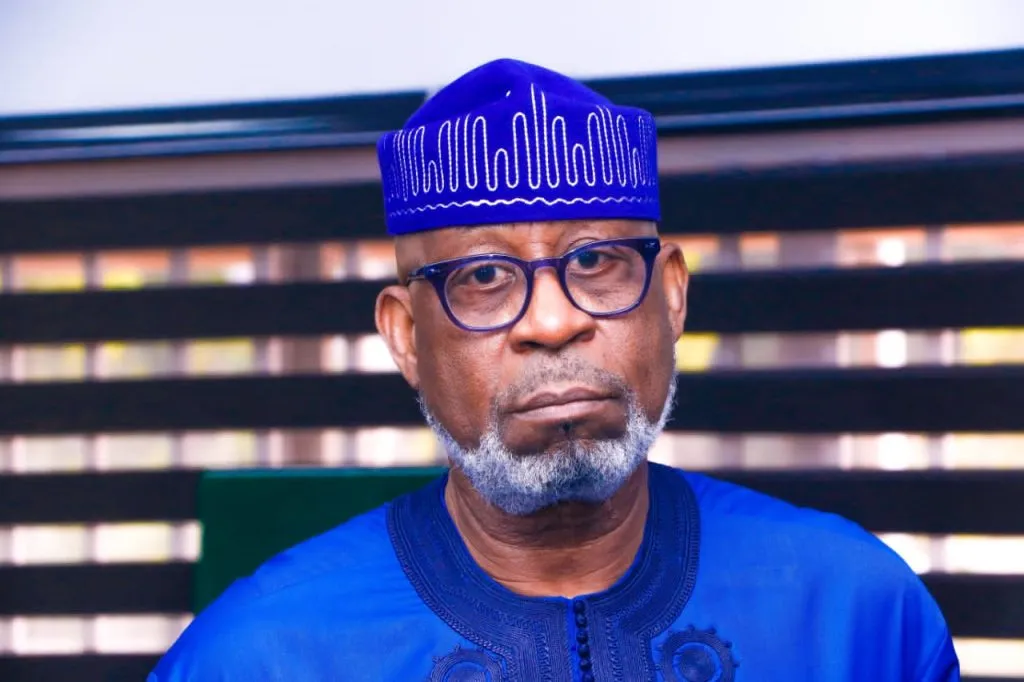
In a statement issued on Sunday in Abuja, Mr Segun Tomori, Special Assistant to the Minister of Solid Minerals Development, Dr Dele Alake, clarified that no such announcement was made by the minister and that the refinery in question is entirely privately owned.
“There was nowhere in the Minister of Solid Minerals announcement that the Federal Government owned or established a gold refinery in Lagos or anywhere for that matter,” Tomori stated. “Dr Dele Alake was very clear, concise and emphatic in the announcement of the proposed inauguration of the refinery, that other gold refineries are in the works across the country and all privately-owned by different companies.”
Read Also: APC Chieftain Calls for Inclusion of Mining Sector in Tax Reforms
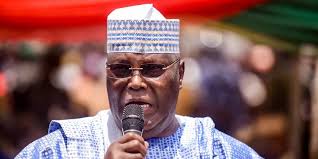
The controversy follows a statement attributed to the Northern Elders Forum spokesperson, Prof. Abubakar Jiddere, which claimed the Federal Government had violated the federal character principle—a constitutional provision designed to ensure equitable distribution of public appointments, infrastructure, and national projects across Nigeria’s diverse ethnic and regional groups.
The principle, enshrined in Section 14(3) of the 1999 Constitution, mandates that the composition of government and the conduct of its affairs reflect the federal character of Nigeria to promote national unity and command loyalty across all states.
Tomori explained that the newly established gold refinery is an initiative of Kian Smith, a fully privately-owned mining company, and is aimed at developing the local gold industry through innovative practices. He emphasised that the Federal Government does not compel private companies to locate their operations in any particular part of the federation, as each firm develops its own operational and marketing strategy to ensure profitability.
“The Federal Government acknowledged the doggedness of the company’s founder and Managing Director, Ms Nere Emiko, for delivering a flagship project after years of perseverance, enterprise and leadership,” Tomori said.
He noted that the refinery reflects the solid minerals sector’s response to the value-addition policy introduced by the administration to discourage the export of raw minerals and to promote local processing and manufacturing. The policy is designed to stimulate economic diversification and reduce Nigeria’s heavy dependence on crude oil revenues, a challenge that has plagued successive governments for decades.
According to Tomori, the policy has already stimulated the conversion of raw mineral exports into processing factories across the country, generating massive inflows of foreign capital and providing thousands of jobs for Nigerians.
Read Also: FG Mulls Tax Largesse To Boost Mining Sector
He cited several major investments across the country as evidence of the policy’s success, including the 600 million dollars lithium plant in Nasarawa State, the 400 million dollars rare earth plant also in Nasarawa State, and the 200 million dollars ASBA lithium plant in Abuja. These projects represent significant private sector participation in the mining sector and underscore the shift towards value addition and downstream processing.
Tomori further stated that the Ministry of Solid Minerals Development, through its policy reforms over the past two years, has been creating an enabling environment for the private sector to thrive and flourish in the mining sector. He described the Lagos gold refinery and similar projects as clear evidence of the effectiveness of the reforms in the solid minerals sector.
“The Ministry of Solid Minerals Development shall continue to encourage more mining companies to set up processing and manufacturing plants across the country,” Tomori added. “We urge NEF to turn a new leaf and join the efforts of President Bola Ahmed Tinubu to build a stronger, self-reliant economy that meets the needs of the Nigerian people.”
The Northern Elders Forum, a socio-political advocacy group representing interests in Nigeria’s northern region, has in recent years been vocal on issues it perceives as marginalisation or unequal treatment of the North in national affairs. The forum has previously raised concerns over the distribution of federal appointments, infrastructure projects, and economic opportunities.
Nigeria’s solid minerals sector has long been identified as a potential area of economic growth and diversification. Despite the country’s vast deposits of gold, lithium, coal, limestone, tin, and other minerals, the sector has historically been overshadowed by oil production, which has dominated national revenues since the 1970s.
However, declining global oil prices, fiscal pressures, and the need for sustainable revenue sources have renewed government focus on the mining sector. The Tinubu administration has pursued aggressive reforms aimed at attracting private investment, formalising artisanal mining, and ensuring that Nigeria retains value from its mineral resources through local processing.
The current dispute highlights ongoing tensions around federalism, resource allocation, and regional equity in Nigeria—issues that have shaped political discourse since the country’s independence in 1960. While the federal character principle was designed to promote inclusivity and prevent domination by any one group, its application to private sector investments remains a subject of debate among policy analysts and stakeholders.