

FG Reports Marginal Rise in Power Generation
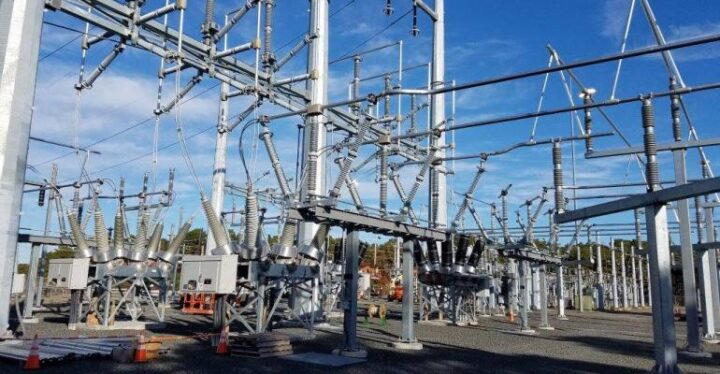
Nigeria’s electricity grid added 349 megawatts of power over the last fortnight. Generation rose to 4,300MW on April 10 from 3,951MW in late March. This modest increase follows a pledge by the Minister of Power, Adebayo Adelabu, to stabilise a perennially fragile system. The improvement rests almost entirely on a steadier flow of gas to thermal plants. Daily gas supply grew from 605 million to over 704 million standard cubic feet.
Thermal stations produce the bulk of Nigeria’s electricity. When gas supply falters, the national grid follows. Officials claim mechanical capacity now exceeds 7,700MW, yet operational output remains far lower. This gap highlights the systemic inefficiency in converting theoretical capacity into actual light in homes. Efficiency depends on the synergy between gas producers and generating companies. The ministry has now formed a monitoring committee to track this volatile relationship in real time.
Total output remains well below the levels required for a nation of 200 million people. The current peak of 4,694MW represents a recovery rather than a breakthrough. For years, the sector has suffered from debt cycles and infrastructure decay. These minor fluctuations in generation often mask deeper structural failures. Government interventions now focus on the gas-to-power value chain to prevent sudden collapses.
The Minister is also pushing for fiscal independence within power agencies. He recently directed the Nigeria Electricity Management Services Agency (NEMSA) to grow its own revenue. The agency must rely less on state funds for its daily operations. Adelabu wants more meter testing centres built across the country. Such centres are vital for ensuring consumers pay for what they actually use.
A shortage of skilled manpower hinders the rollout of electricity meters. The government plans to bridge the massive “meter gap” through new training programmes. Collaboration between the National Power Training Institute and regulatory bodies is now a priority. Faster installation of meters could reduce the frequent disputes over estimated billing. Accurate billing remains the only way to make the sector commercially viable.
Ongoing reforms aim to move the sector away from its history of frequent grid collapses. The ministry admits the country is not yet where it needs to be. Measurable improvements are the only currency that matters to a frustrated public. Whether these gains hold depends on sustained gas delivery and better grid management. For now, the lights stay on a little longer.