


Foreign Direct Investments: UAE Pledges Massive Financial Injection
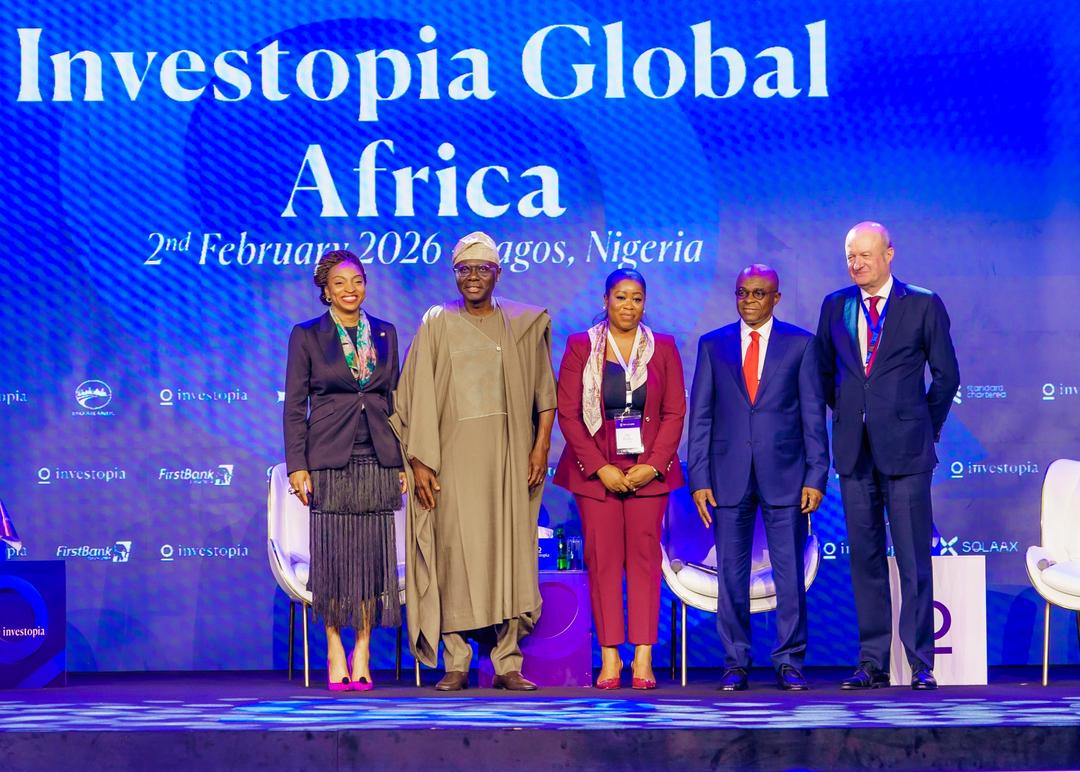
The United Arab Emirates has projected a massive ten-billion-dollar investment push into the Nigerian economy. This ambitious financial commitment emerged during the high-profile Investopia Global Africa summit held in Lagos Nigeria on Monday. Emirati officials indicated that these funds will primarily target the infrastructure, digital economy, and renewable energy sectors. This strategic announcement signals a robust resurgence in the bilateral commercial partnership between both nations. The federal government expects this capital injection to bridge critical funding gaps in national development projects. Furthermore, the move underscores the UAE’s growing interest in securing a dominant stake in Africa’s largest market.
The Investopia platform serves as a primary vehicle for deploying Emirati sovereign wealth into emerging markets. Minister of Industry and Advanced Technology, Dr. Sultan Al Jaber, highlighted Nigeria’s immense potential for industrial expansion. Furthermore, the investment framework prioritizes the deployment of advanced technology in the Nigerian agricultural and mining sectors. Active voice reporting suggests that the UAE seeks to leverage its technical expertise to optimize local production. Consequently, the Nigerian authorities have promised to streamline bureaucratic processes to facilitate these significant capital inflows. Conversely, some economic analysts remain concerned about the country’s current foreign exchange volatility affecting long-term returns.
In a related development, the Nigerian delegation presented several high-yield opportunities to a diverse pool of Arab investors. The Minister of Finance emphasized the recent fiscal reforms as a catalyst for renewed international confidence. Furthermore, the administration highlighted the new legal safeguards protecting foreign assets from arbitrary state interference. This charm offensive in Abu Dhabi seeks to position Nigeria as the continent’s premier investment destination. Consequently, several MoUs in the transportation and logistics sectors were signed during the three-day diplomatic engagement. Conversely, the implementation of these agreements requires a stable and predictable macroeconomic environment in the coming years.
Strategic investments in the Nigerian digital ecosystem also form a cornerstone of the new Emirati projection. The UAE intends to fund the development of data centers and high-speed broadband infrastructure across Nigeria. Furthermore, Emirati tech firms will collaborate with local startups to enhance fintech and e-commerce capabilities nationwide. This digital pivot aligns with the federal government’s goal to create millions of jobs for the youth. The deal also includes training programs for Nigerian engineers in the fields of artificial intelligence and robotics. Conversely, the success of these initiatives depends heavily on the consistent provision of reliable national electricity.
Looking ahead, the actual disbursement of the $10 billion will serve as a litmus test for Nigeria’s diplomacy. The government must move beyond ceremonial signings to ensure the physical commencement of these industrial projects. Furthermore, the oversight of these massive funds requires a high degree of transparency and institutional accountability. The global community continues to observe Nigeria’s shift toward a market-led economy with significant interest. Consequently, the next few months will be critical for assessing the first tranche of Emirati investments. For now, the focus remains on building a durable bridge between the Gulf and West Africa. Nigeria’s journey toward a ₦100 trillion economy requires such bold and strategic international collaborations.