

Former MD of the Nigerian Railway Corporation Remanded in Custody
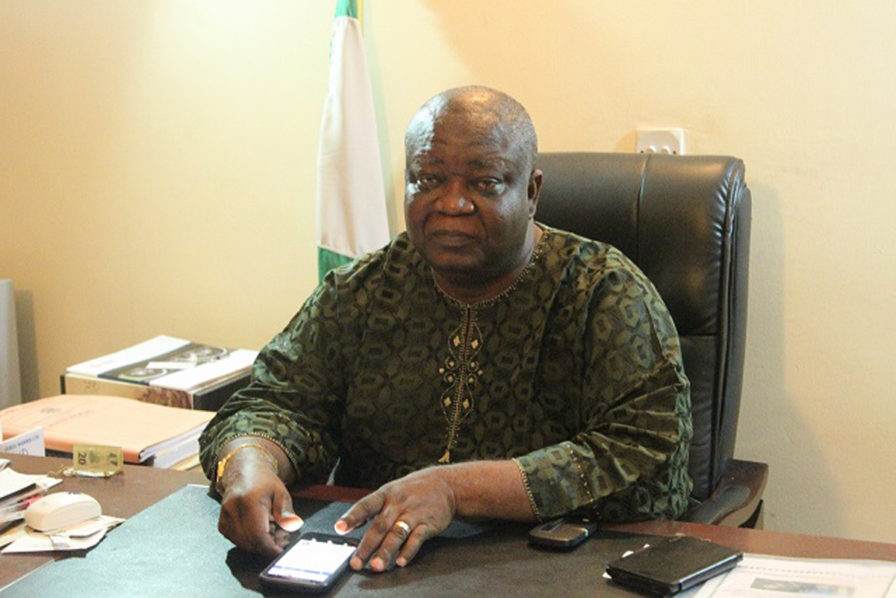
Fidet Okhiria, the long-serving former managing director of the Nigerian Railway Corporation (NRC), now finds himself in a different kind of station. Arraigned before a Lagos court on a seven-count charge, Mr. Okhiria is accused of money laundering, abuse of office, and “unlawful enrichment,” the polite legal term for a public official getting rich on the job. The sums are not small: $385,000 and 165m naira, allegedly moved through domiciliary accounts to the Netherlands. For a man who spent years overseeing Nigeria’s crumbling Narrow Gauge and its expensive new Standard Gauge, the transition from the boardroom to the dock was swift.
The prosecution’s case rests on the timing of these transfers. Between May and September 2024, while still at the helm of the NRC, Mr. Okhiria allegedly sent $205,000 to an account in the Netherlands. Another $40,000 followed shortly after he left office. Moving money to a son’s account in a tax-efficient European jurisdiction is a classic, if unimaginative, play. In Nigeria, the railway has long been a sinkhole for public funds; it appears the leakage may have been more than just operational inefficiency.
Justice Oshodi was not moved by the defense’s plea for time. While Mr. Okhiria’s counsel argued he had only just received the charge sheet, a standard stall in the Nigerian legal playbook, the court ordered him remanded in a correctional facility. The optics are poor for a former high-flyer. Standing in the dock to plead “not guilty” is one thing; being hauled off to await a May trial date is quite another. The state is signaling that the era of the untouchable parastatal head is, perhaps, slowing down.
The charges suggest a blurring of the lines between personal wealth and public trust. Under the Criminal Law of Lagos State, the burden will be on the prosecution to prove these funds were “proceeds of unlawful activities.” Given the NRC’s perpetual state of financial distress and its reliance on federal bailouts, any official accumulating hundreds of thousands of dollars in hard currency invites scrutiny. It is a recurring Nigerian tragedy: the infrastructure stays broken while the managers thrive.
This trial serves as a litmus test for the current administration’s appetite for high-level accountability. Too often, such cases begin with a flurry of headlines and end in a quiet plea bargain or a “technical” dismissal. If the state can prove that Mr. Okhiria converted his office into a private mint, it will be a rare victory for the taxpayer. If not, it will simply be another expensive day in court.