

Fuel Hits ₦1,300 as Dangote Hikes Prices Amid Global War
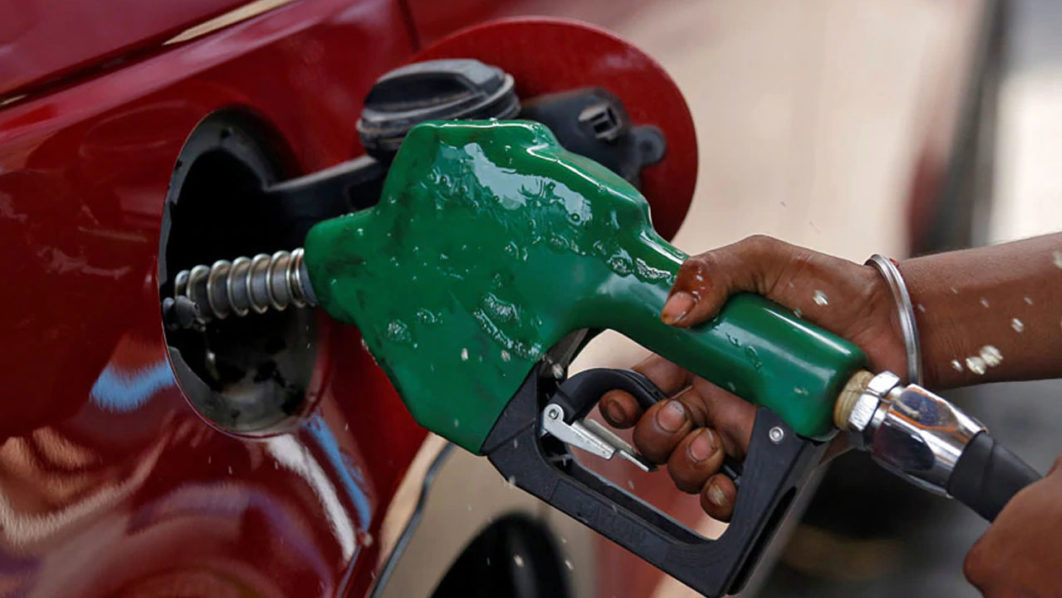
The cost of Premium Motor Spirit (PMS) surged to ₦1,300 per litre across Nigeria on Monday, as the fallout from the US-Iran war reached domestic pumps. The price jump followed a fresh adjustment by the Dangote Petroleum Refinery, which raised its gantry price to ₦1,175 per litre. This marks the third upward revision by the Lekki-based refinery in a single week, reflecting the extreme volatility of a global market where crude prices briefly touched $120 per barrel.
In Lagos and Abuja, filling stations wasted no time in passing the costs to consumers. Pump prices ranged between ₦1,250 and ₦1,400, depending on the outlet. The Dangote Group defended the move, with CEO David Bird explaining that even under “crude-for-naira” deals, the refinery pays international benchmark rates. He noted that freight costs alone have nearly quadrupled, jumping from $800,000 to $3.5 million per shipment due to the regional conflict.
Economic Aftershocks: Inflation and Logistics
The Organised Private Sector (OPS) and small business groups have raised an immediate alarm over a looming “inflationary surge.” Industry leaders warn that the 18.1 per cent hike in ex-depot prices will permeate every sector of the economy. Businesses are already scrambling to revise budgets as logistics and distribution costs spiral.
-
Transport and Food: Economists project that food inflation will worsen as transport fares for agricultural produce rise.
-
Manufacturing Stress: Small and Medium Enterprises (SMEs) are facing a “double-whammy” of soaring fuel costs and unstable electricity.
-
Purchasing Power: The Nigeria Employers’ Consultative Association (NECA) warns that the transfer of these costs to consumers will further weaken the average Nigerian’s purchasing power.
Labour and Policy Friction
The Nigeria Labour Congress (NLC) has reacted sharply, questioning the promised benefits of domestic refining. The NLC argued that the frequent hikes expose a continued dependence on global market shocks, regardless of where the fuel is processed. Labour leaders have called for a “deeper investigation” into the downstream sector, noting that Nigerians are now paying a ₦200 “war premium” per litre due to the Middle East crisis.
Meanwhile, the Petroleum Products Retail Outlets Owners Association (PETROAN) has urged the NNPC to expedite the reopening of state-owned refineries in Port Harcourt and Warri. They warn that if the war persists, petrol could eventually hit ₦2,000 per litre.
Global Intervention Looms
There is a slight glimmer of hope from the international stage. G7 finance ministers and the International Energy Agency (IEA) met virtually on Monday to discuss releasing emergency oil reserves. While no formal agreement was reached, the G7 stated they “stand ready” to tap into the 1.2 billion barrels of public emergency stocks to stabilise the market. Following this news, Brent crude prices retreated from their $120 peak to around $98 by Monday evening.
For Nigerian businesses and consumers, the immediate future remains a test of endurance. With the Strait of Hormuz effectively shuttered and domestic refining tied to global benchmarks, the “local advantage” remains elusive. Until global tensions abate or domestic buffers are strengthened, the price at the pump will continue to dictate the rhythm of the Nigerian economy.