


Gas Drought Plunges National Grid Below 4,000MW
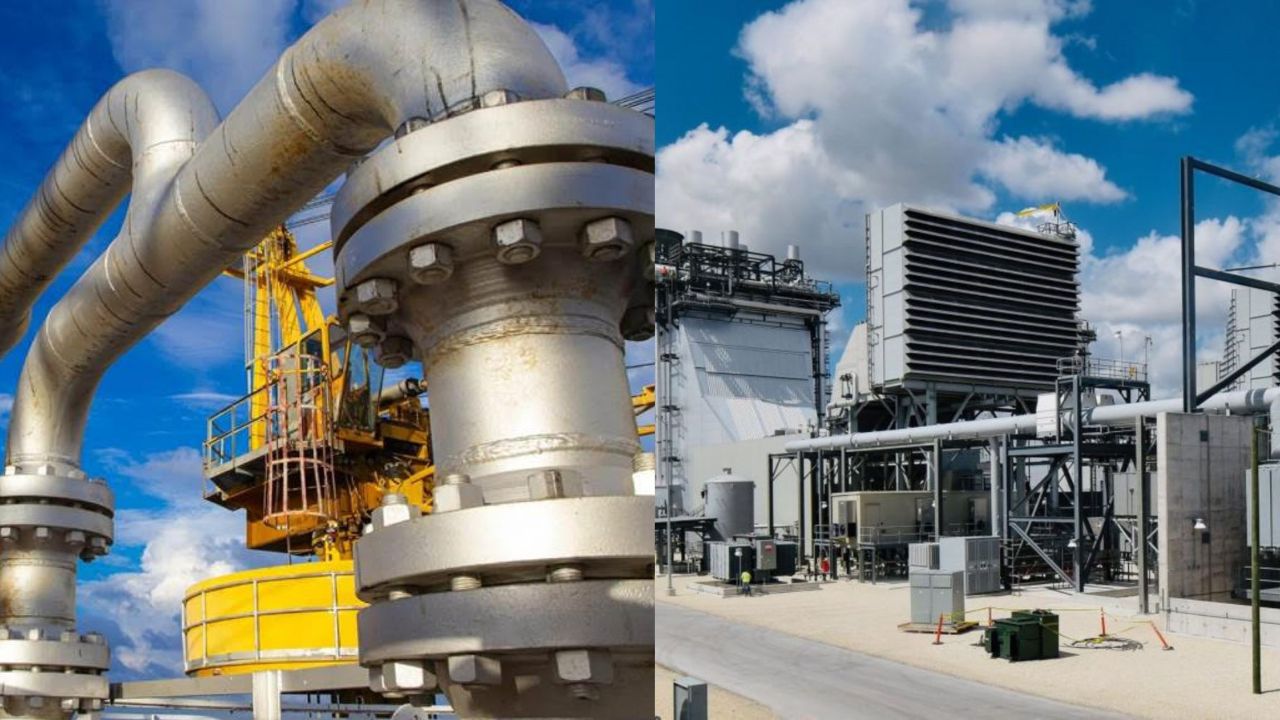
Nigeria’s electricity generation has collapsed below the 4,000-megawatt (MW) mark as a persistent gas shortage chokes the nation’s thermal power plants. The Nigerian Independent System Operator (NISO) confirmed on Thursday that total grid output slumped to 3,940MW by 5:00 a.m., forcing widespread load shedding across all distribution networks. Within a three-hour window on Thursday morning, the grid lost an additional 292MW as several generating units were forced into emergency shutdowns.
The current crisis stems from a massive deficit in the fuel supply chain. Thermal plants, which provide over 70% of Nigeria’s power, require approximately 1,588 million standard cubic feet (MMSCF) of gas daily to function at full capacity. Actual supply currently sits at just 652MMSCF—a mere 40% of the required volume. This shortfall has rendered the national grid’s “expected capacity” a theoretical exercise, leaving millions of households and businesses in the dark.
Table: The Anatomy of a Power Collapse
| Metric | Required (Optimal) | Actual (March 5, 2026) | Deficit |
| Grid Output | >5,000 MW | 3,940.53 MW | ~21% |
| Gas Supply | 1,588.61 MMSCF/d | 652.92 MMSCF/d | 60% |
| Generation Mix | 100% Thermal Target | 40% Thermal Output | – |
The system operator’s latest warning follows a similar alert in February when generation hovered around 4,300MW. The situation has since deteriorated, largely due to structural failures in the gas-to-power value chain. While Nigeria boasts Africa’s largest natural gas reserves, the domestic market is frequently starved by a combination of pipeline vandalism, payment disputes between generation companies and suppliers, and the lure of more profitable export markets.
NISO is reportedly “working closely” with gas suppliers to stabilise the flow, but these platitudes offer little comfort to an industrial sector already bleeding from high diesel costs. The operator’s primary task is now a grim balancing act: implementing load shedding to prevent a total system collapse. By dispatching what little energy is available according to strict regulatory percentages, NISO hopes to keep the grid’s frequency stable, even if the lights remain off for most.
The persistence of these “gas constraints” highlights a familiar policy inertia. Despite the 2026 budget’s focus on infrastructure and the recent launch of the Ajaokuta–Kaduna–Kano (AKK) pipeline, the immediate reality is one of scarcity. Analysts point to the ongoing Middle East conflict as an additional pressure point, as global energy volatility incentivises producers to prioritise international contracts over domestic obligations.
For the average Nigerian, the technicalities of “MMSCF” and “load shedding” translate simply to silence and heat. With hydro-power plants not expected to ramp up until the rainy season in May, the country remains hostage to a gas market that remains stubbornly uncooperative. Until the government can guarantee payments to gas producers or secure the pipelines, the 4,000MW threshold will remain a ceiling rather than a floor.