


- Brands & Marketing
- Breaking News
- Business
- Columns
- Cover Story
- Economy
- International
- Latest
- Nation
- News
- Top News
Gold Surges to Unprecedented Peak Amid Mounting Bets on Federal Reserve Rate Cuts
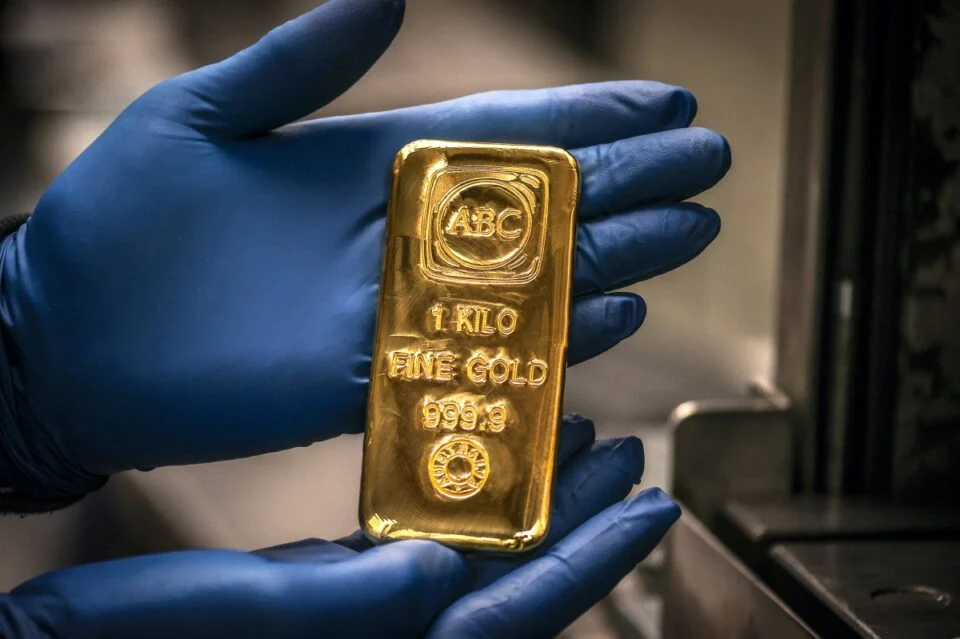
Gold prices soared to a historic high on Monday, driven by growing market confidence that the U.S. Federal Reserve will extend its rate-cutting cycle into the coming year. In early trading, the spot price of gold reached an all-time peak of $4,383.76 per ounce, surpassing its previous record of $4,381.52 set in October.
The latest rally reflects a sustained bullish trend for the precious metal, which has gained over 18% year-to-date. Analysts attribute the surge to a combination of macroeconomic signals, shifting monetary policy expectations, and persistent demand from both institutional and retail investors seeking a hedge against uncertainty.
Key Drivers Behind the Rally
Market sentiment has been notably shaped by recent U.S. economic data suggesting a cooling labor market and continued disinflation. Last week’s reports showed a larger-than-expected rise in unemployment claims and moderating consumer price increases, reinforcing expectations that the Fed will have further room to lower borrowing costs. Futures markets now price in a high probability of at least two additional rate cuts by mid-2026.
“Gold is feeding off the prospect of a more accommodative monetary policy environment,” said Marcus Chen, Chief Commodity Strategist at Global Markets Insight.
“Lower interest rates reduce the opportunity cost of holding non-yielding assets like gold, while a softening dollar adds further support.”
The U.S. dollar index, which often moves inversely to gold, dipped to a three-month low following the data releases, providing an additional lift to dollar-denominated commodities.
Broader Market Context
Gold’s ascent comes amid volatile trading in equity markets and ongoing geopolitical tensions, which have bolstered its traditional role as a safe-haven asset. Central bank purchases—particularly from institutions in emerging economies—have also remained robust, adding structural demand.
“We’re seeing consistent accumulation from official sector buyers diversifying away from the U.S. dollar,” noted **Lena Petrova, Head of Precious Metals at Orion Bank**. “This isn’t just a speculative move—it’s a strategic repositioning in response to longer-term macroeconomic shifts.”
What’s Next for Gold?
Some analysts caution that the rally may face headwinds if upcoming U.S. economic data surprises to the upside or if Fed communications strike a more hawkish tone. However, the overall outlook remains supportive.
“Gold has broken through key technical resistance levels, which could invite further momentum buying,” added Chen. “Unless there’s a sharp reversal in Fed expectations, the path of least resistance appears upward.”
Investors will closely watch the Fed’s December meeting minutes and upcoming inflation and jobs reports for further clues on the policy trajectory.
With gold now trading firmly above $4,380, market participants are eyeing the next psychological threshold of **$4,400 per ounce**, a level that could be tested in the coming sessions if current tailwinds persist.