
Hamas Urges Iran to Spare Neighbours as War Escalates
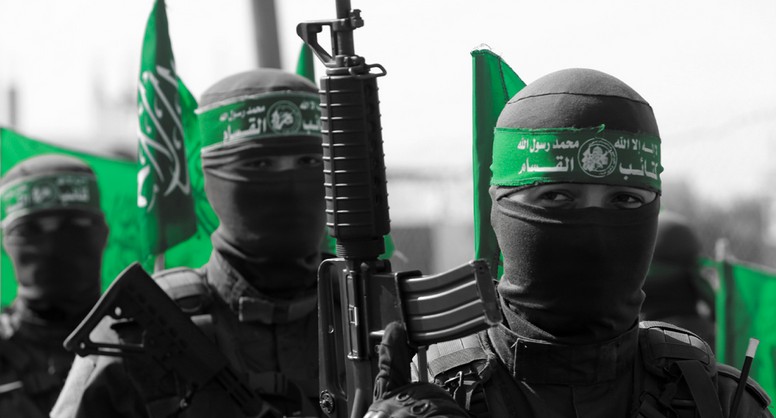
Hamas issued a rare plea to Tehran on Saturday, calling on its primary benefactor to avoid targeting neighbouring Arab countries while maintaining Iran’s right to defend itself against the United States and Israel. The statement arrives as the Middle East conflict enters a more volatile phase, marked by Iranian missile barrages on Israel and retaliatory US strikes on Iranian soil. Despite the diplomatic friction, Hamas affirmed it supports “all available means” for Iran to respond to recent American-Israeli aggression.
The regional security situation deteriorated further on Saturday with a drone strike on the US embassy in Baghdad. The attack followed twin strikes on Kataeb Hezbollah, an Iran-backed Iraqi militia, which killed two members, including a prominent figure. While the source of the strikes on the militia remains unconfirmed, the subsequent embassy attack highlights the increasing pressure on American diplomatic and military assets in Iraq.
In Washington, President Donald Trump claimed Iran has been “totally defeated” by the ongoing military campaign, though his rhetoric contrasts with the reality of continued hostilities. Mr Trump confirmed that the US heavily bombed military targets on Kharg Island—the hub for nearly all of Iran’s oil exports—and threatened to destroy the island’s energy infrastructure if Tehran interferes with shipping in the Strait of Hormuz. Iran’s military responded by threatening to annihilate US-linked energy infrastructure throughout the region.
To combat soaring global energy prices, the US Navy will “very soon” begin escorting tankers through the Strait of Hormuz. The conflict has already pushed Brent crude prices above $103 a barrel, a 42% increase since the war began on 28 February. The economic fallout has extended to the sporting world, with Formula One races in Bahrain and Saudi Arabia reportedly facing cancellation or rescheduling as the conflict spreads across the Gulf.
The human toll continues to mount, particularly in Lebanon, where an Israeli strike on a southern health centre killed 12 medical personnel on Saturday. Lebanese health officials report at least 773 deaths since 2 March. Despite these losses, Hezbollah leader Naim Qassem remains defiant, stating the group is prepared for a “long confrontation.” Lebanon was pulled into the war last week following the killing of Iran’s Supreme Leader, Ayatollah Ali Khamenei.
As Iran presses its air campaign, Qatar has begun evacuating “key areas” in Doha, including the central Musheireb district, as a precautionary measure. Meanwhile, the US is reinforcing its regional presence by deploying an amphibious assault ship and an Expeditionary Unit of 2,500 Marines. Since the start of joint operations, Israel claims to have conducted 7,600 strikes across Iran and 1,100 in Lebanon, illustrating the massive scale of the current conflagration.