
ICPC Recovers Wiretapping Equipment From El-Rufai Residence
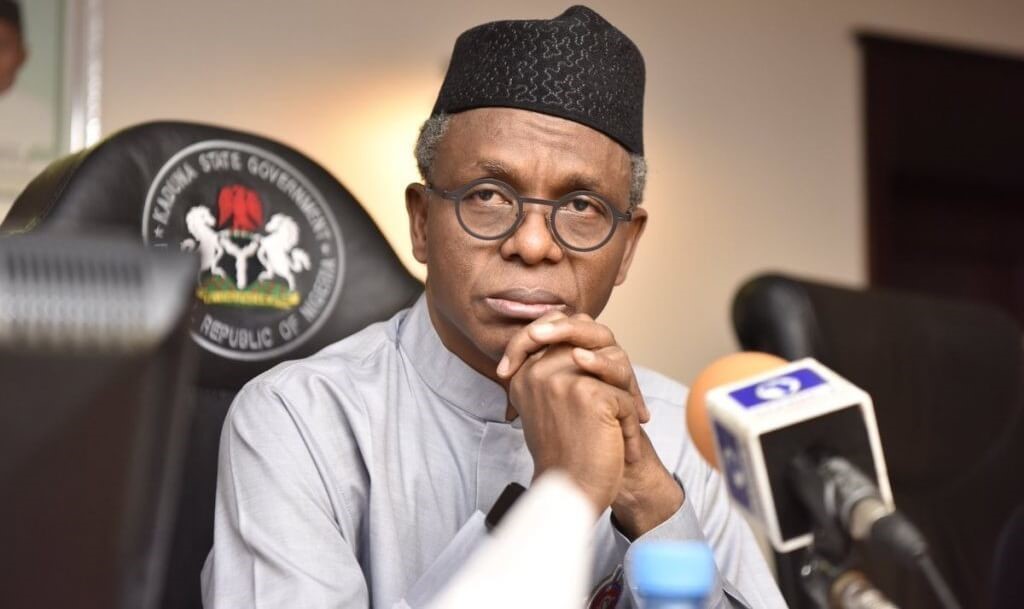
Nasir el-Rufai, the former governor of Kaduna State, has traded the corridors of power for a cell at the anti-graft agency. Investigators from the Independent Corrupt Practices Commission (ICPC) say they found more than just files during a raid on his Abuja home. The haul allegedly includes electronic devices capable of intercepting telephone calls and sensitive documents that could threaten national security. This discovery adds a darker, more conspiratorial hue to a case that began with missing billions.
The commission claims the former governor is not a willing guest in this inquiry. He reportedly refused to grant access to the seized electronics, forcing a standoff over digital keys. Officials also point to a television interview where Mr. El-Rufai admitted to tapping the phone of the National Security Adviser. Such a confession, if proven, moves the matter beyond simple graft into the realm of state surveillance. The agency now holds a court order to keep him until March 5.
Financial shadows loom as large as the security concerns. The ICPC is asking for €1.4 million and a series of transfers totalling over N2 billion from Kaduna State’s revenue accounts. These sums allegedly flowed into undisclosed destinations during his tenure. One aide has already fled the country, leaving a trail of paperwork for the commission to unpick. Investigators say they need the full 14 days of detention to trace where the public money went.
Read Also: El-Rufai Absent in Court, Trial Adjourned to April 23
The former governor is fighting back through the courts, alleging a breach of his fundamental rights. His lawyers argue the detention is unlawful, but the ICPC insists it is following the book. The agency notes it only moved in after Mr. El-Rufai ignored previous invitations to explain himself. He was eventually tracked down at Abuja’s airport after a stint in the custody of the Economic and Financial Crimes Commission.
Witnesses appear to be nervous about testifying against a man who once ran one of Nigeria’s most powerful states. The ICPC claims at least one potential witness has formally requested protection after receiving threats. This suggests the political machinery of the former governor remains active even while he sits in a cell. Breaking such influence is often harder for the state than proving a financial crime.
For now, the commission is racing against the clock. It must file formal charges before the detention order expires on Thursday. If the evidence of wiretapping and document theft holds up, the trial will be about more than just money. It will test whether a former member of the inner circle can be held to account for the tools he used to stay there.