


Insurgency: Nightfall in Borno, 11 Down.
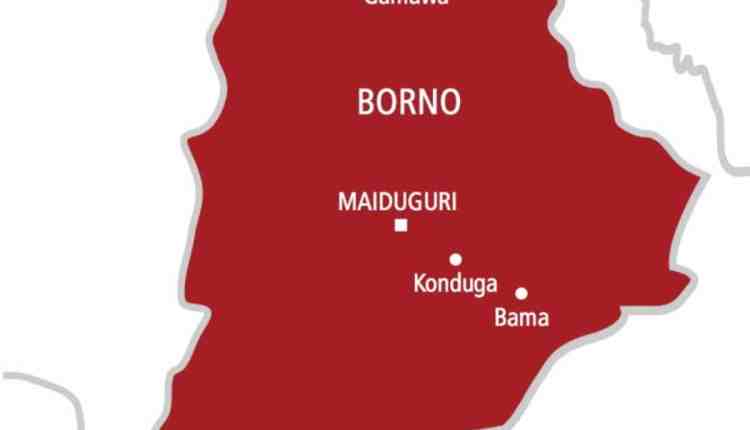
The Nigerian Army has neutralised a high-ranking Boko Haram commander, Abu Khalid, during a precision night operation in Borno State. Troops launched the raid on Saturday night in the Konduga area, successfully killing the commander along with ten other insurgents. Khalid occupied a critical position within the terrorist hierarchy, specifically coordinating logistics and tactical operations along the Sambisa Forest axis. This successful strike follows a series of recent insurgent attacks on military installations and civilian construction sites earlier this week. Military sources report that the operation resulted in zero casualties among the Nigerian forces. Furthermore, soldiers recovered an assortment of weapons, medical supplies, and food items during the post-battle clearance.
This victory marks a significant milestone in the ongoing “Operation Hadin Kai” within the North-East theatre. The Army Spokesman, Sani Uba, described the operation as a major blow to the group’s operational capacity in the region. Active voice declarations from the military high command suggest a new phase of aggressive proactive engagement. Furthermore, intelligence-gathering efforts, reportedly bolstered by international cooperation, facilitated the pinpointing of Khalid’s hidden location. Conversely, the Sambisa Forest remains a challenging environment for conventional military maneuvers due to its dense vegetation and booby-traps. Despite these obstacles, the Army continues to maintain a constant presence in previously inaccessible insurgent enclaves.
In a related development, the military has intensified its “logistics denial” campaign to starve the remaining fighters of essential supplies. Recent reports indicate that troops have destroyed several illegal fuel depots and intercepted food convoys intended for terrorist camps. Furthermore, the recovery of medical items during this latest raid suggests the insurgents are suffering from significant health challenges within their hideouts. This strategic pressure aims to force the remaining fighters to surrender or face total annihilation. Conversely, the humanitarian community remains concerned about the safety of civilians still residing in remote border communities. The Borno State Government, however, continues to coordinate the safe return of internally displaced persons to liberated areas.
The fall of Abu Khalid serves as a stark reminder of the evolving security dynamics in the Lake Chad Basin. Analysts suggest that the death of such a senior logistics figure will create an immediate leadership vacuum in the Sambisa axis. Furthermore, this operation demonstrates the increased efficiency of Nigerian military intelligence in tracking high-value targets. Conversely, the insurgency continues to adapt by employing small, mobile cells to launch sporadic hit-and-run attacks. Consequently, the military must maintain its current momentum to prevent the group from regrouping or reorganizing under new leadership. The federal government has reaffirmed its commitment to providing all necessary resources for the final phase of the counter-terror war.
Looking ahead, the successful neutralization of top commanders is expected to trigger more defections from the lower ranks of the group. The military has already reported a significant increase in the number of fighters surrendering to various frontline units. Furthermore, the restoration of socio-economic activities in towns like Konduga and Bama remains a top priority for the local administration. The international community continues to offer technical support to ensure the long-term stabilization of the North-East. For now, the elimination of Abu Khalid provides a much-needed psychological victory for the troops and the civilian population. Nigeria’s journey toward total peace in the North-East requires this sustained level of tactical precision and strategic resolve.