


Iran Hits Gulf Cities in Widening Conflict
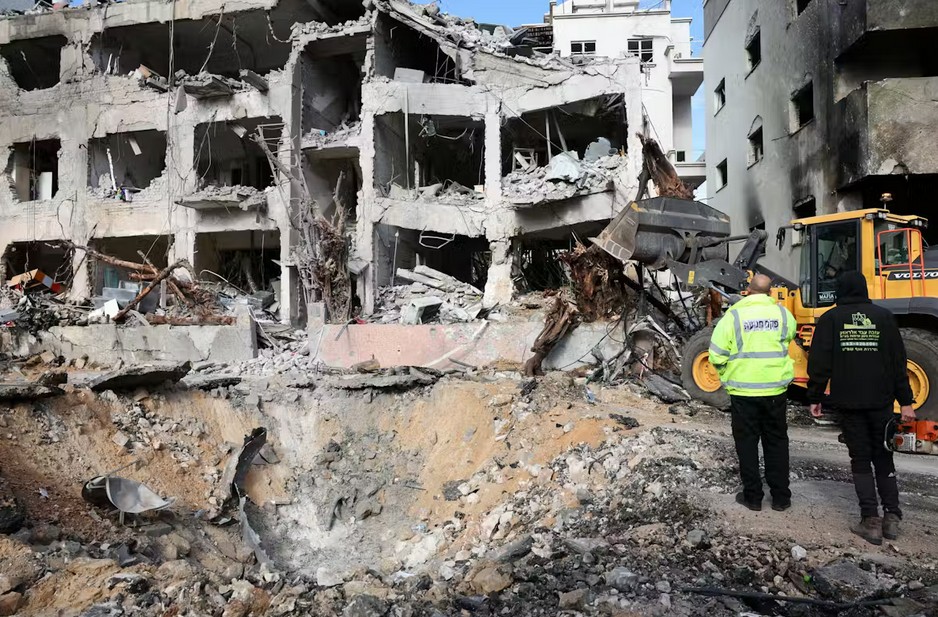
Explosions rocked the capitals of Qatar, Kuwait, and the United Arab Emirates on Monday as Iran sustained its third day of retaliatory strikes against American assets. Tehran insists its missiles and drones target US military sites rather than its Arab neighbours. Yet the reality on the ground tells a different story. Shrapnel and missed targets have turned civilian districts in Doha, Dubai, and Kuwait City into a new front line. The regional spillover that diplomats feared for months has finally arrived.
In Kuwait, air defences intercepted most drones near the Rumaithiya and Salwa neighbourhoods early this morning. Witnesses saw smoke rising near the US embassy as sirens blared across the capital. At least one person died in the chaos. The Ministry of Interior in Bahrain has now activated air raid alerts, forcing residents into shelters. These states, long used to the safety provided by Western security umbrellas, now find that those very umbrellas are magnets for Iranian fire.
The human cost of this escalation is climbing quickly as three people are dead in the UAE, and 16 are nursing injuries in Qatar. Within Iran, the toll is far grimmer, with 201 dead following sustained US and Israeli strikes. Israel itself reports nine dead. The geography of the conflict is expanding beyond traditional battlefields into the world’s most vital trade and aviation hubs. This is no longer a shadow war.
A joint statement from Saudi Arabia, Jordan, and their Gulf partners on Sunday condemned the strikes. They have affirmed their right to self-defence and warned of a coordinated response to the aggression. While these nations have spent billions on sophisticated missile systems, the sheer volume of Iranian drones is testing their limits. The rhetoric of stability has been replaced by the logistics of survival. Using the main roads in Manama is now discouraged by the state.
Iranian Foreign Minister Abbas Araghchi claims Tehran seeks no confrontation with its “brothers” across the water. He told Al Jazeera that the attacks are a legitimate act of self-defence against American aggression. These words offer little comfort to residents in Dubai, hearing loud bangs for three consecutive days. The distinction between a US target and a Gulf host city is becoming a matter of inches. If Iran intends to spare its neighbours, its aim is remarkably poor.
The regional economy is the next likely casualty. The bridge linking Manama to nearby towns is closed, and shipping routes are under immense pressure. If the strikes continue, the cost of insurance and transport will spike, hitting global markets. For now, the Gulf states are caught in a pincer. They cannot easily evict the US forces that protect them, yet they cannot stop Iran from punishing them for that very presence.