


Iran Opens New Route Through Mine-Strewn Hormuz
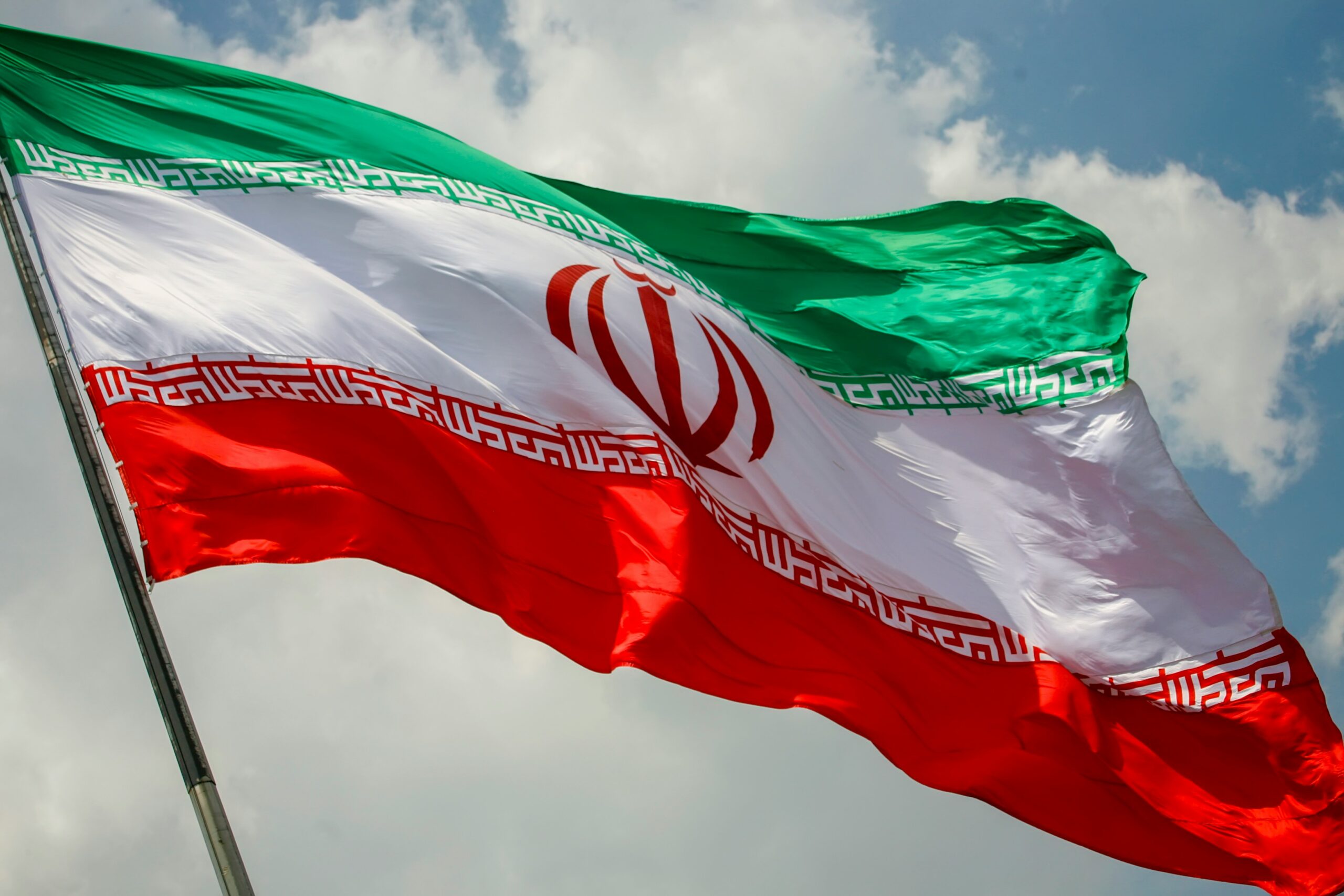
Tehran has designated alternative shipping routes through the Strait of Hormuz, citing the presence of sea mines as it begins a tentative two-week reopening of the world’s most vital energy artery. The Islamic Revolutionary Guard Corps issued the directive on Thursday, instructing vessels to follow specific entry and exit paths to avoid “maritime safety hazards.” This move follows a precarious ceasefire brokered between the United States and Iran just moments before a White House deadline for large-scale military escalation. Global markets have met the news with a mixture of relief and deep-seated scepticism.
The reopening aims to unlock a shipping lane that typically handles one-fifth of the world’s daily oil and gas consumption. Tehran has effectively throttled traffic through the strait since early March, a move that sent global energy prices into a tailspin and stranded an estimated 2,000 vessels in the Persian Gulf. Under the terms of the temporary truce, safe passage is now possible but remains contingent on strict coordination with Iranian armed forces. Some maritime intelligence reports suggest Iran is demanding hefty tolls, paid in cryptocurrency, for outbound tankers.
The American stance remains one of armed readiness. President Donald Trump has confirmed that all US ships, aircraft, and personnel will remain in the region until Iran demonstrates full compliance with the deal. Washington has warned it will resume “shooting” if the agreement falters, even as Tehran characterises the ceasefire as a retreat by the West. This military posturing ensures that while the guns are silent for now, the threat of total war looms over every tanker choosing to test the new routes.
Shipping firms are weighing the risks of transit against the costs of prolonged delay. While the International Maritime Organisation has welcomed the evacuation of roughly 20,000 seafarers trapped during the five-week war, routine trade is far from restored. Many major carriers, including Maersk and Hapag-Lloyd, previously rerouted vessels around Africa to avoid the conflict zone. Those now entering the Gulf must navigate a “Traffic Separation Scheme” that keeps them close to the Iranian coast, where they are easily monitored and taxed by the IRGC.
Market reactions in Nigeria remain cautious as the naira trades within a tight range of 1,379 to 1,380 per dollar. Local analysts believe the currency’s fate is tied directly to whether this Middle Eastern truce can transition into a lasting armistice. Nigeria’s heavy reliance on oil exports makes it vulnerable to the fluctuating insurance rates and shipping costs that have plagued the industry since March. Any breakdown in the ceasefire would likely trigger a fresh wave of dollar strength and local currency weakness.
The broader geopolitical picture suggests this two-week window is merely a pause for regrouping. Israel continues its military operations against Iran-aligned Hezbollah in Lebanon, an activity Tehran cites as a primary reason for its distrust of the current deal. Diplomatic talks are scheduled for the weekend in Pakistan, but both sides claim to have their “hands on the trigger.” For the global economy, the reopening of Hormuz is a welcome reprieve, but the presence of mines, both literal and political, makes for a treacherous passage.