

Iran’s Ex President Mahmoud Ahmadinejad Killed in Joint US-Israeli Airstrikes
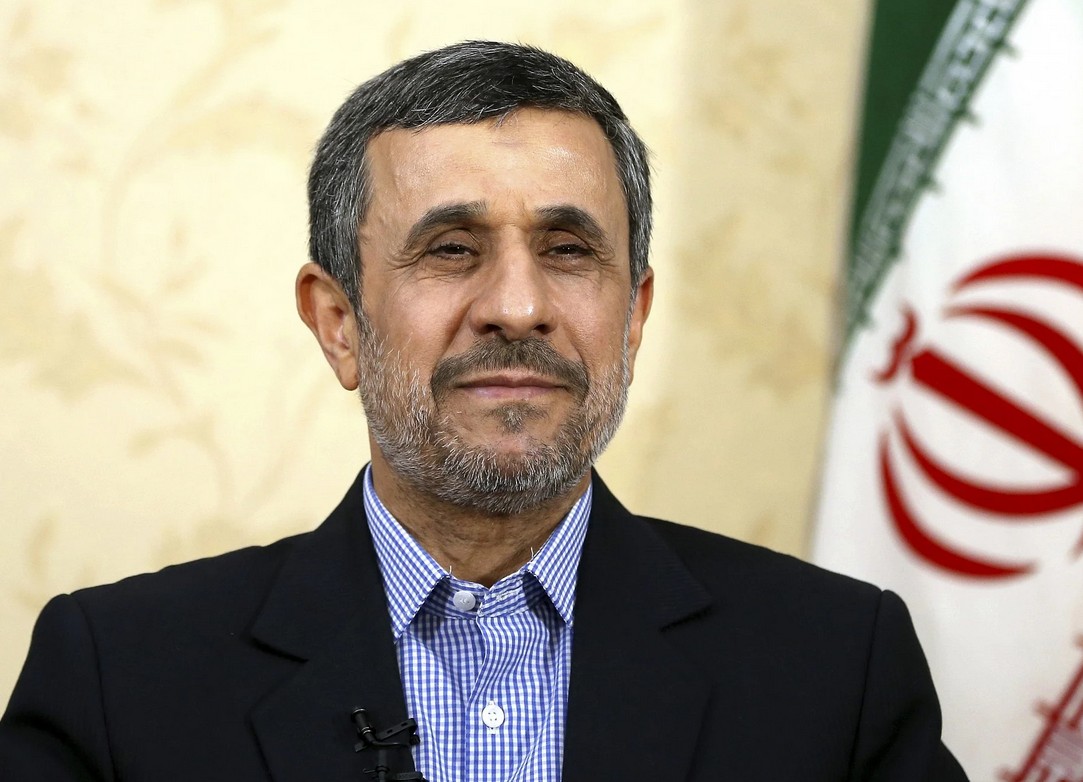
The Islamic Republic of Iran is reeling from a massive security failure that has claimed its most senior leaders. On Saturday, February 28, a coordinated wave of US and Israeli airstrikes targeted Tehran, killing Supreme Leader Ayatollah Ali Khamenei and former President Mahmoud Ahmadinejad. Reports indicate that Ahmadinejad, who was under house arrest, died when a targeted strike levelled his residence in the Narmak district. This operation, codenamed “Genesis” by the Israeli Air Force, represents the most significant foreign intervention in Iranian history since 1979.
The list of the dead reads like a directory of the Iranian security establishment. Alongside the Supreme Leader, officials confirmed the deaths of Defence Minister Aziz Nasirzadeh and IRGC Chief Mohammad Pakpour. The strikes reportedly caught the leadership during a high-level meeting at the Pasteur district compound. This operation involved over 200 fighter jets and used long-range standoff weapons to bypass Iranian air defences. It appears the CIA and Mossad had tracked the movements of the inner circle for months before striking.
Mahmoud Ahmadinejad’s death ends the career of a man who personified Iran’s era of nuclear defiance. As president from 2005 to 2013, he famously predicted that Israel would be “wiped off the map.” His tenure was defined by economic mismanagement and the violent suppression of the 2009 Green Movement. Though he later fell out of favour with Khamenei, his presence remained a populist thorn in the side of the establishment. He died in the very neighborhood where he first built his political brand as a “man of the people.”
The geopolitical fallout has been immediate and violent. In retaliation, Iran’s Revolutionary Guards declared the Strait of Hormuz closed, effectively choking a quarter of the world’s seaborne oil. Iranian state media has already broadcast footage of a burning tanker, claiming it was struck while attempting an “illegal” passage. This blockade has left nearly 170 containerships stranded and forced global shipping giants like MSC and Hapag-Lloyd to suspend all bookings. Production quotas are now secondary to the physical safety of the world’s most vital maritime chokepoint.
US President Donald Trump has framed the strikes as a “pre-emptive” necessity to eliminate an existential threat. Addressing the Iranian public, he called this the “greatest chance” for the people to reclaim their country. However, the streets of Tehran are currently a theatre of chaos and mourning rather than liberation. While some may welcome the end of the old guard, the prospect of a hot war with the West is a heavy price to pay. The transition of power is now in the hands of an interim council as the country observes 40 days of mourning.