


IRGC Closes Strait of Hormuz to “Enemy” Vessels
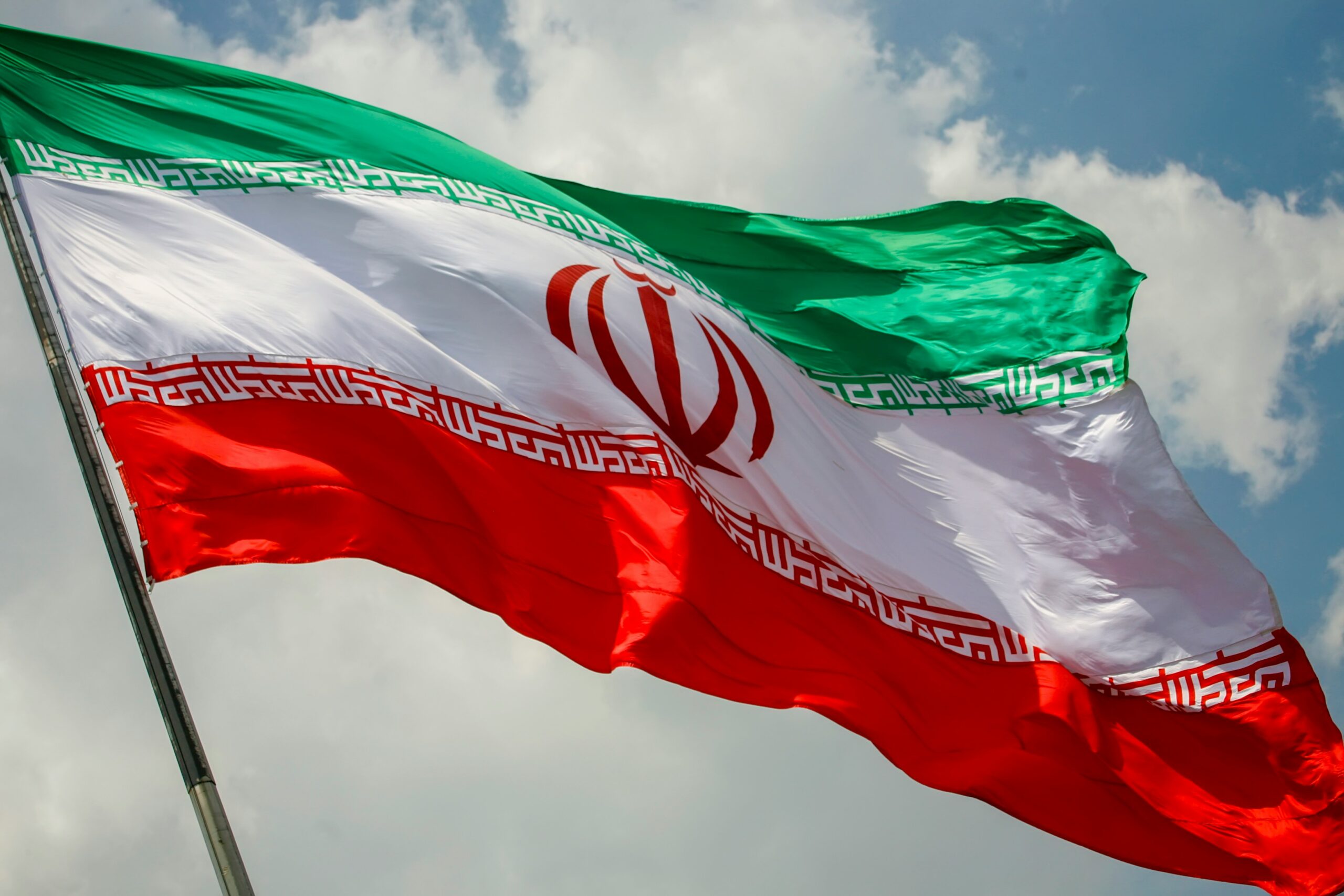
The global energy artery is narrowing. Iran’s Revolutionary Guards (IRGC) announced on Friday that they had intercepted and turned back three container ships attempting to transit the Strait of Hormuz. In a statement published on their official Sepah News website, the Guards declared the strategic waterway closed to any vessel travelling to or from ports linked to its “enemies.” This move directly contradicts claims from Washington that the corridor remains open for international trade.
The IRGC Navy issued warnings to the three vessels of different nationalities before forcing them to retreat. According to the Guards, the prohibition extends to any “allies and supporters of the Zionist-American enemies.” This escalation follows a month of heightened tension sparked by conflict in the region on February 28. The statement framed the interception as a rebuttal to “lies” from the United States regarding the freedom of navigation in the Gulf.
Market intelligence confirms the standoff. Data from Kpler, an energy market firm, identified two of the vessels as belonging to the Chinese shipping giant COSCO. These ships had reportedly been stuck in the Gulf since the conflict began and were making their first attempt to exit the narrow waterway. Rebecca Gerdes, an analyst at Kpler, noted that this was the first significant attempt by a major carrier to test the blockade since the start of hostilities.
The timing of the blockade creates a sharp diplomatic friction. Only on Thursday, US President Donald Trump claimed that Iran had allowed ten oil tankers to pass through the Strait as a “present” to signal a willingness to negotiate an end to the war. The IRGC’s latest action suggests either a breakdown in communication between Tehran’s political and military wings or a deliberate attempt to undermine the American president’s narrative of de-escalation.
The Strait of Hormuz is the world’s most important oil transit point. Roughly a fifth of the world’s total oil consumption passes through this narrow gap between Oman and Iran. Any sustained closure threatens to send global energy prices into a tailspin and disrupt supply chains already frayed by regional war. While Iran has frequently threatened to close the Strait in the past, the physical turning back of major commercial carriers marks a significant shift from rhetoric to enforcement.
Economic ripples are expected immediately. Shipping companies must now decide whether to risk the passage or seek longer, more expensive alternative routes. For a global economy already sensitive to energy shocks, the IRGC’s “prohibition” on enemy-linked ports effectively puts a leash on Middle Eastern maritime trade. The world now waits to see if the US Navy will move to challenge the IRGC’s self-declared authority over the corridor.