


Israel Approves Emergency Funding as Iran War Rages
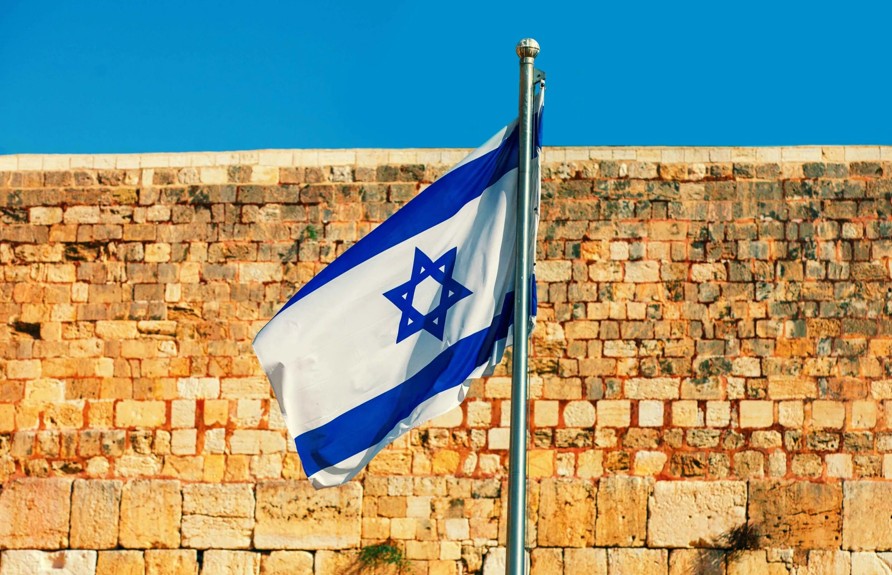
Israel has authorised an $827-million emergency budget to sustain its military operations as the conflict with Iran enters its third week. Cabinet ministers approved the 2.6-billion-shekel package over the weekend during an urgent telephone meeting. The funds are earmarked for “security purchases,” specifically the acquisition of munitions and advanced weapons systems to replenish stocks depleted by high-intensity fighting. This exceptional measure follows two weeks of daily ballistic missile exchanges between the two nations.
The Finance Ministry noted that the intensity of the current combat necessitated an immediate operational response. While the government has not specified the exact hardware being purchased, the document highlights a critical need to restock combat inventories. The funds will be drawn from the broader state budget, which is currently awaiting final adoption by the Knesset later this month. This emergency decision suggests that the initial cost of the war has already begun to strain existing defence allocations.
The conflict, which began on 28 February 2026, has seen Iran fire approximately 250 ballistic missiles at Israeli territory. While Israel’s missile defence systems have intercepted the majority of these threats, the cost of maintaining air superiority is mounting. Twelve people in Israel have been killed by missile fire or falling debris since the hostilities commenced. Prime Minister Benjamin Netanyahu’s cabinet remains focused on “toppling the regime” in Tehran, even as domestic economic pressure grows.
Regional tensions remain at a breaking point following the US-Israeli strikes that killed Iran’s Supreme Leader, Ali Khamenei, at the war’s outset. In retaliation, Iran has not only targeted Israel but has also struck US bases and allied Gulf states. The closure of the Strait of Hormuz and the subsequent surge in global oil prices to over $100 a barrel have added a severe economic dimension to the military struggle. Israel continues to strike IRGC and Hezbollah command elements to degrade their offensive capabilities.
The United States is reinforcing its regional presence with additional Marines and naval assets to secure shipping lanes. Despite mediation efforts by Oman and Egypt, neither side appears ready for a ceasefire. US President Donald Trump has urged a multinational naval coalition to keep the Strait of Hormuz open, while Iran vows to escalate its response if its oil infrastructure is targeted. The war is currently estimated to be costing the US and its allies upwards of half a billion dollars a day.
For Israel, the emergency funding serves as a stopgap measure to ensure the military can sustain its current pace of air and ground operations. With the conflict now expanding into a broader regional war involving Lebanon and Iraq, the strain on munitions production is becoming a global concern. As the Knesset prepares to vote on the full budget, the financial cost of the war is likely to become a central point of political contention in Jerusalem.