


Kano Troops Ambush Bandits, Recover 257 Stolen Livestock
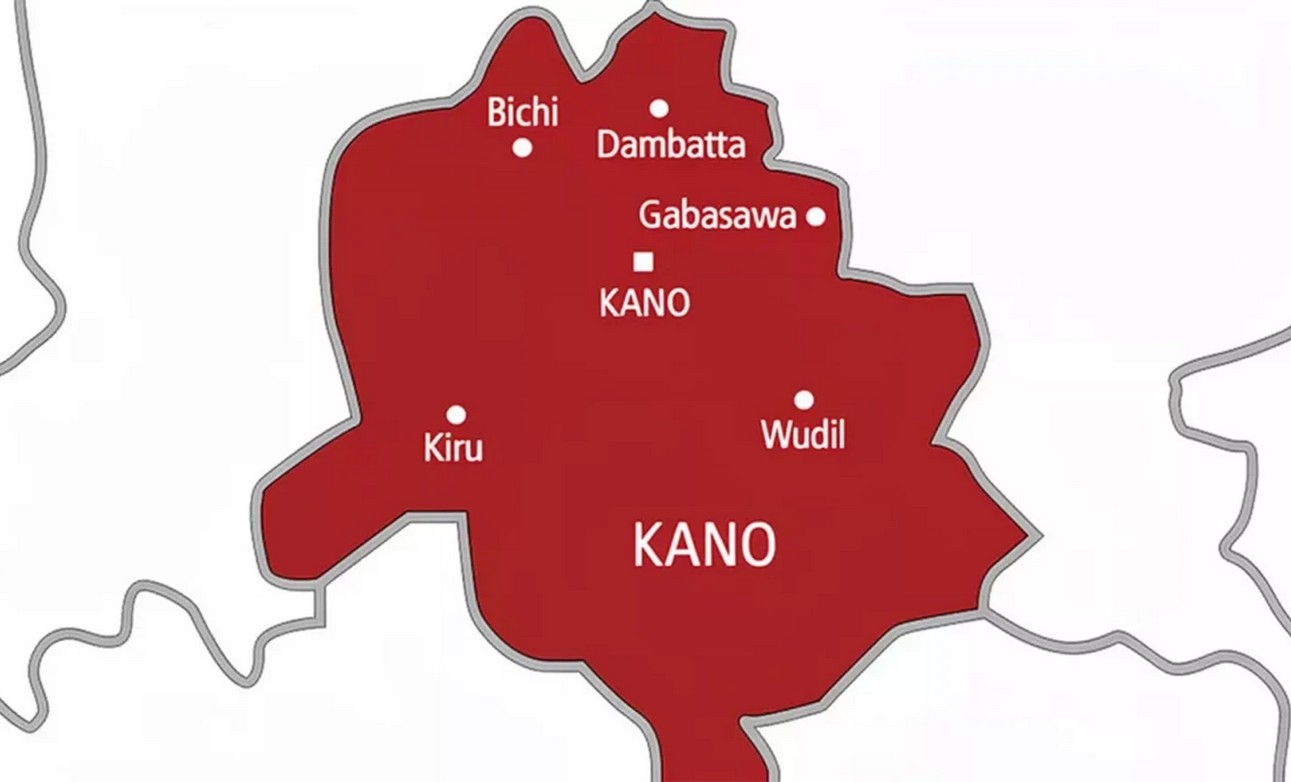
Nigerian Army troops foiled a cattle rustling raid in Kano State on Saturday, killing an undisclosed number of bandits and recovering 257 animals stolen from Mainika village in the Gwarzo Local Government Area. The operation, carried out by the Joint Task Force led by men of the 3 Brigade Nigerian Army, began with a distress call and ended with the bandits fleeing across a state border. It was swift, clean, and effective. It was also a reminder of how routine this kind of violence has become across Nigeria’s North-West.
At roughly 6:57 am on 1 March 2026, JTF troops responded to the distress call and deployed to a known bandit route near Dayi village, where they ambushed the armed group. The bandits, caught in the open, scattered towards Malumfashi Local Government Area in neighbouring Katsina State, abandoning the stolen animals as they ran. Troops recovered 135 cows, 119 sheep, one goat, and two donkeys. All 257 animals were handed back to their owners through local authorities on the same day.
Major Babatunde Subairu, Assistant Director of Army Public Relations for 3 Brigade, confirmed the engagement in a statement released on Sunday. He said the bandits suffered heavy casualties but offered no figures. The Nigerian military rarely publishes enemy death tolls with precision, a habit that protects operational integrity but frustrates independent verification. What is not in dispute is that the troops moved quickly and the mission succeeded on its own terms.
Brigadier General Ahmad Tukur, Commander of 3 Brigade, praised his troops for their bravery and vigilance, and credited local community members for the intelligence that made the ambush possible. That last point deserves attention. Without the distress call and the tip about the bandit route, the cattle would likely have crossed into Katsina and vanished. Community trust in the military is not guaranteed in the North-West, and when it produces results like this, it is worth acknowledging plainly.
Cattle rustling in Kano and Katsina is not a petty crime. Armed bands routinely raid villages, strip farmers and herders of their livelihoods in a single morning, and retreat across state lines before any organised response can catch them. For many rural households, losing cattle to bandits is economically catastrophic, the equivalent of watching a year’s income walk away at gunpoint. The fact that 257 animals made it home is genuinely significant for the families involved.
The 3 Brigade’s operational base in Gwarzo positions it directly on one of the more active corridors bandits use between Kano and Katsina. That geography matters. Cross-border raiding complicates military responses because jurisdiction shifts the moment suspects cross a state line, and coordination between commands does not always happen fast enough. Saturday’s ambush worked partly because troops moved before the bandits reached that line.
The Brigade says it will intensify security efforts in the area. Whether that means more patrols, more community engagement, or simply maintaining the pace of recent operations is unclear. What is clear is that the underlying conditions feeding banditry, poverty, weak state presence, and the ready availability of weapons, remain largely unchanged. A single successful ambush is a good day. Solving the problem will take considerably longer.