

Kara Bridge Repairs to Resume Wednesday After Gridlock Pause
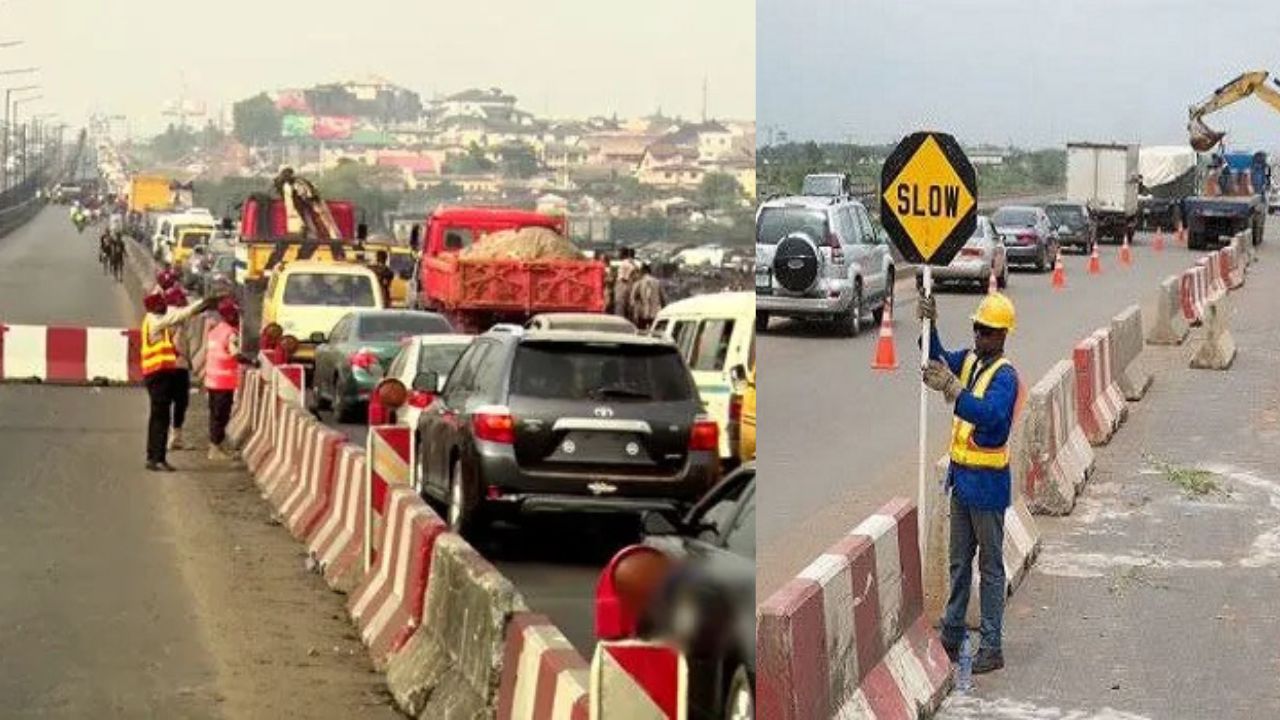
The Federal Government has announced that rehabilitation work on the Kara Bridge section of the Lagos-Ibadan Expressway will resume on Wednesday, March 4. The project, which involves the critical replacement of deteriorated expansion joints, was abruptly suspended on Saturday after construction-induced gridlock paralysed the corridor. Layi Komolafe, the Federal Controller of Works in Ogun State, described the repairs as “a must” for road safety, noting that the failed joints have been a primary cause of recent vehicular collisions.
The resumption is expected to trigger significant travel delays for motorists entering and exiting Lagos. To mitigate a total collapse of traffic flow, the Ministry of Works is coordinating with the Federal Road Safety Corps (FRSC), the police, and LASTMA to manage the inevitable backlog. Motorists have been warned that while the Ibadan-bound lane may remain relatively fluid, the “inward Lagos” section will likely experience heavy congestion. The use of faster-curing chemicals is intended to reduce the time lanes remain closed, yet the nature of bridge work requires specific “healing” periods for the materials to set.
Despite the government’s Wednesday target, a degree of uncertainty persists within the enforcement agencies. FRSC authorities have expressed doubt regarding the feasibility of restarting full operations by mid-week, citing the sheer volume of traffic that forced the initial weekend suspension. Last month, the FRSC estimated that the comprehensive rehabilitation of the expressway’s bridges, including Magboro and Arepo-Punch, would require at least two months to complete.
The damaged sections of the bridge have become notorious for “dodge-and-hit” accidents. Drivers frequently swerve to avoid deep ditches created by the failing joints, often ramming into unsuspecting vehicles in adjacent lanes. Ganiyu Hamzat, the Lagos State Sector Commander of the FRSC, emphasised that while the repairs cause immediate pain, they are essential to prevent further loss of life. He also identified vehicle overloading as a major contributor to the rapid deterioration of the newly rehabilitated highway.
For the thousands of commuters who rely on this artery, the next six to eight weeks will be defined by strategic travel planning. The Lagos-Ibadan Expressway serves as the primary link between Nigeria’s economic hub and the rest of the country; any disruption at the Kara “bottleneck” has a cascading effect on regional logistics. Authorities are urging the public to adhere to traffic diversions and avoid “one-way” driving, which security agencies have vowed to prosecute.
The “Coal to Code” era of infrastructure maintenance in Nigeria appears to be one of persistent compromise between necessary engineering and the reality of an overstretched road network. As equipment remobilises on Wednesday, the resilience of both the bridge and the motorists who use it will be put to the test. For now, the Ministry of Works remains resolute: the bridge cannot wait, even if the traffic must.