


Keyamo Orders Safety Audit After MMIA Terminal Fire
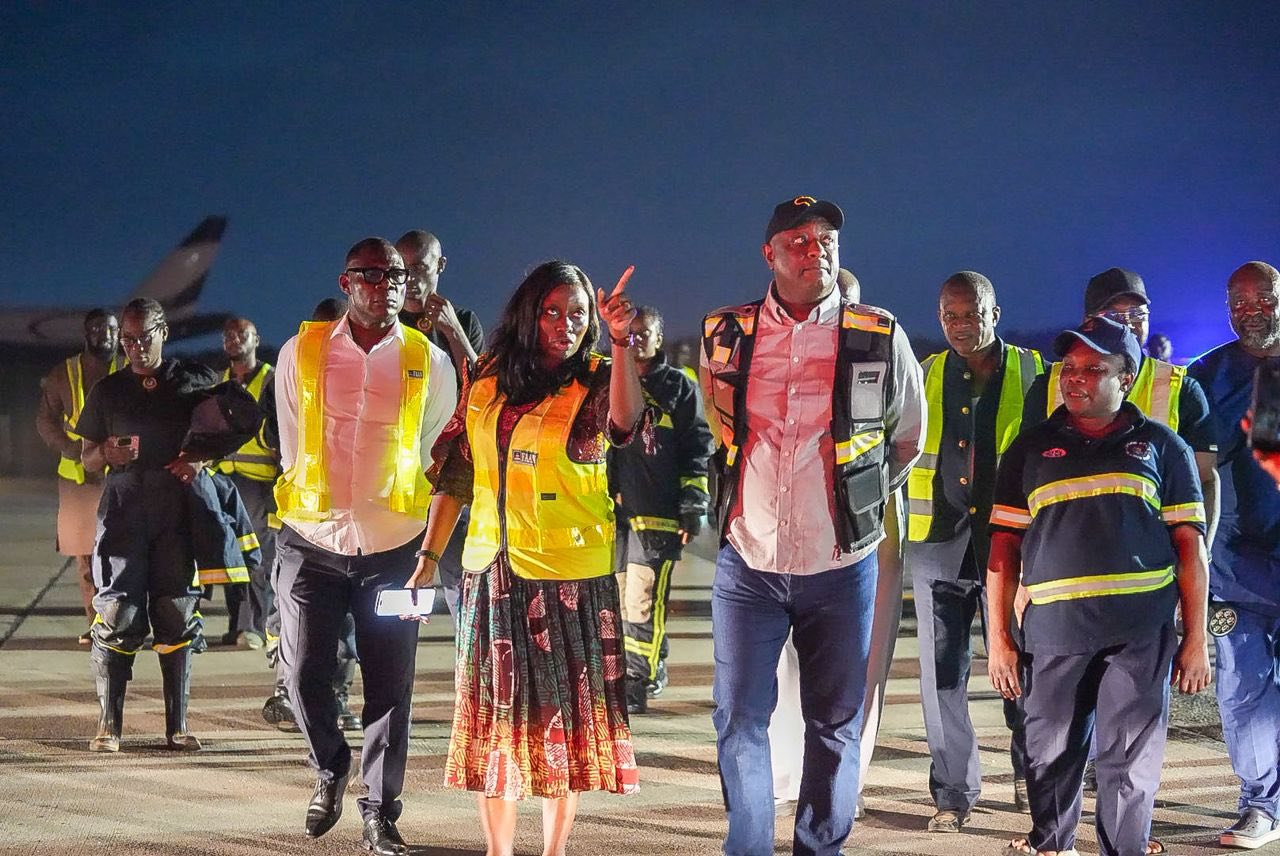
The Minister of Aviation and Aerospace Development, Festus Keyamo, has ordered an immediate safety audit following a fire at Murtala Muhammed International Airport. He directed the management of the Federal Airports Authority of Nigeria to reconvene for a joint inspection of Terminal 1. Authorities will begin the evaluation by 9:00 am to guide recovery efforts.
The inferno disrupted operations and forced the diversion of three international carriers. British Airways, Lufthansa, and Emirates rerouted flights as emergency teams battled the blaze. Although officials later reopened the airspace, the disruption underscored the fragility of airport infrastructure. Significantly, an aircraft operated by Ethiopian Airlines became the first to depart after operations resumed. The flight took off at 7:26 pm, restoring limited normalcy. However, the psychological impact on passengers lingered long after the flames subsided.
Keyamo travelled from Abuja to Lagos as the crisis unfolded. He arrived at the airport close to midnight and joined FAAN’s managing director and technical teams. Officials coordinated containment measures while assessing structural integrity and operational risk.
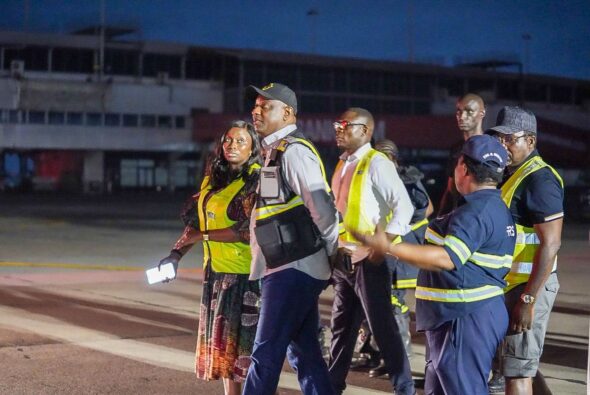
Furthermore, the minister praised first responders for activating established emergency protocols without delay. He acknowledged that their coordination prevented casualties and limited broader damage. Indeed, swift adherence to procedure often determines the scale of aviation disasters. Nonetheless, the incident raises questions about preventive safeguards within Nigeria’s busiest gateway. MMIA handles substantial passenger traffic daily, especially on international routes.
Read More: Flight Operations Resume in MMIA After Inferno
Consequently, even minor system failures can trigger significant operational ripple effects.
Authorities have not disclosed the cause of the fire. Investigators will examine electrical systems, safety compliance records, and maintenance logs. Above all, regulators must reassure airlines and travelers that safety standards remain uncompromised.
In a related development, aviation stakeholders have renewed calls for infrastructure modernization. They argue that aging terminals require consistent investment and rigorous oversight. While it is true that emergency systems functioned effectively, preventive resilience remains paramount.
Therefore, Tuesday’s inspection carries weight beyond immediate repairs. It signals regulatory seriousness and public accountability within the aviation ecosystem. Ultimately, Nigeria’s credibility as a regional air hub depends on transparent enforcement of safety standards.
The coming days will test institutional discipline. Recovery must proceed swiftly, yet methodically. Above all, aviation authorities must ensure that Terminal 1 returns stronger, safer, and fully compliant with global expectations.