


Lassa Fever: 15 Dead in Taraba as Outbreak Hits State
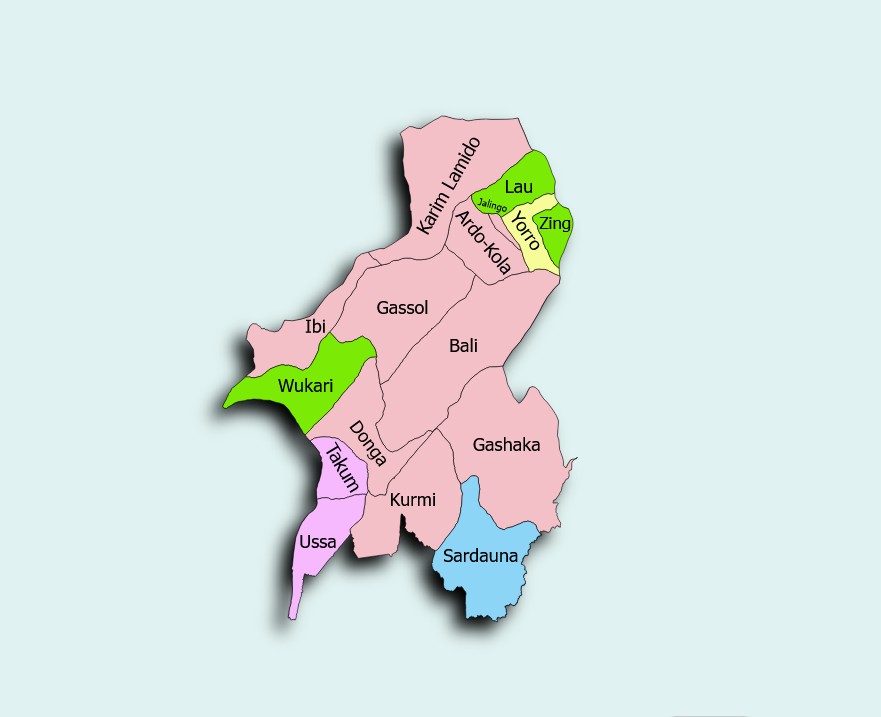
JALINGO — A devastating Lassa fever outbreak has claimed at least 15 lives in Taraba State, marking the most widespread occurrence of the disease in over a decade. Health officials confirmed that 49 individuals have tested positive for the viral haemorrhagic fever across several local government areas. Dr. Suleiman Kirim, Acting Head of Clinical Services at the Federal Medical Centre (FMC) Jalingo, raised the alarm on Friday regarding the alarming fatality rate. He attributed the high death toll to the persistent habit of late presentation at medical facilities. Currently, 45 patients are battling for survival in isolation wards, while 20 others have successfully recovered and been discharged.
The current crisis has placed an immense burden on the state’s primary clinical hub, FMC Jalingo. Medical personnel are working round the clock to contain the spread, yet they face significant cultural bottlenecks. Many residents initially favor traditional remedies or self-medication over professional clinical help. Furthermore, widespread misconceptions about the disease continue to undermine the efforts of rapid response teams. Dr. Kirim emphasized that early detection remains the only reliable safeguard against the lethal progression of the virus. Consequently, the hospital is now coordinating with the Nigeria Centre for Disease Control (NCDC) to harmonize data and surveillance logistics.
Public health experts warn that the environmental factors fueling this surge require urgent community action. Professor Joshua Difa of FMC Jalingo noted that the Mastomys rat remains the primary vector for transmission. He urged residents to implement strict rodent-proofing measures for all household food stores. Furthermore, the Department of Public Health is intensifying sensitization campaigns to bridge the existing information gap in rural communities. In a related development, pediatric specialists have advised parents to monitor children for symptoms like persistent fever and unexplained bleeding.
Ultimately, the containment of this 14-year-high outbreak depends on a shift in public health-seeking behavior. The state government must ensure that rural clinics have enough ribavirin and protective gear to manage suspected cases. The message is clear: environmental sanitation is no longer a suggestion, it is a survival necessity. Collective vigilance and prompt medical intervention can help Taraba, and Nigeria halt the march of this “silent killer.”