

Libya Boat Capsize: Dozens of Nigerians Feared Dead in Tragedy.
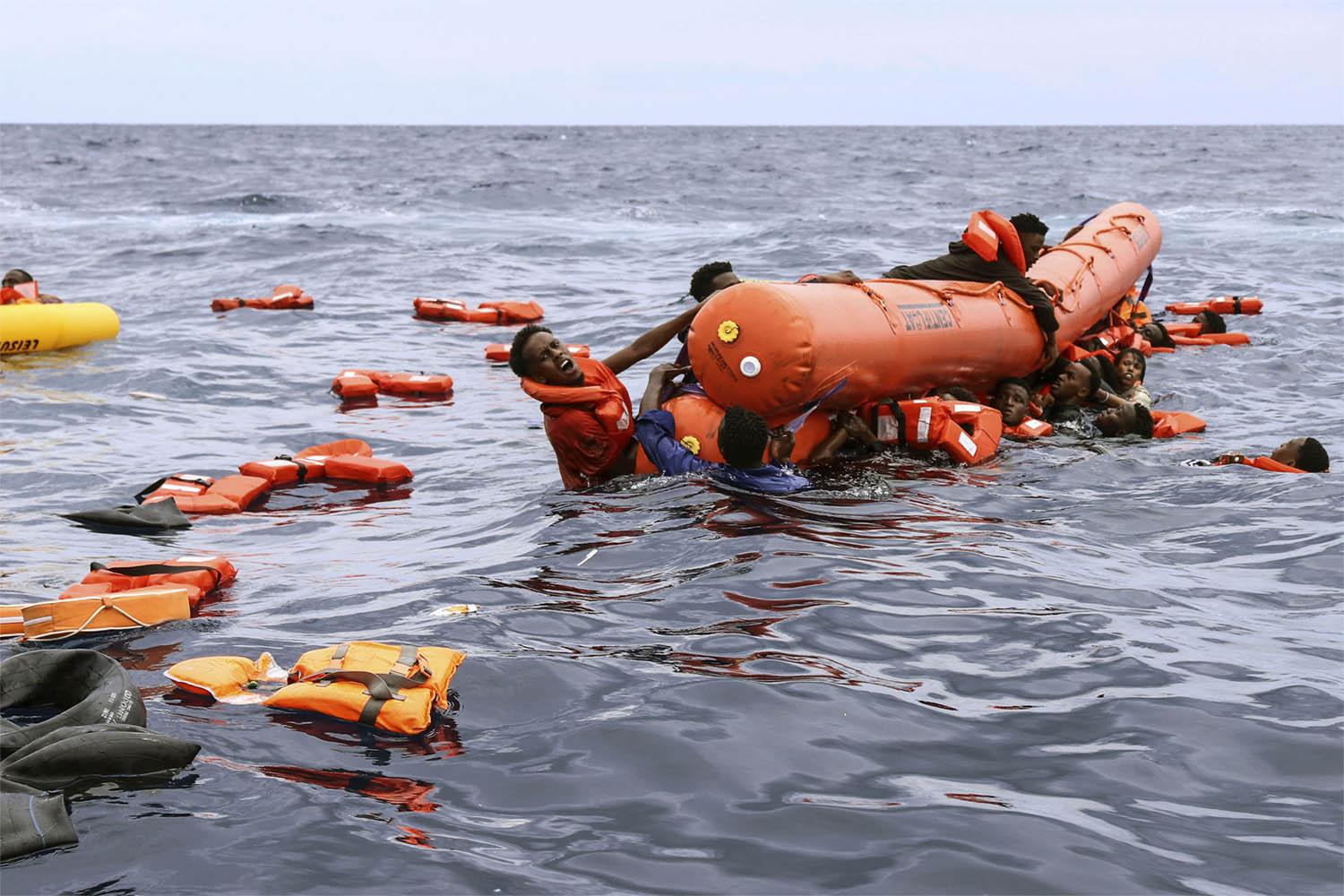
TRIPOLI — A horrific maritime disaster off the Libyan coast has claimed the lives of dozens of African migrants, including several Nigerians. The International Organization for Migration (IOM) confirmed on Monday that a rubber dinghy carrying 55 people capsized north of Zuwara. Early reports indicate that at least 53 individuals are either dead or missing following the Friday morning incident. Only two survivors, both Nigerian women, were pulled from the freezing waters by Libyan search and rescue teams. This tragedy marks another dark chapter in the perilous journey across the Central Mediterranean route.
The ill-fated vessel departed from Al-Zawiya late Thursday night, carrying a desperate cargo of refugees and migrants. Approximately six hours into the voyage, the unseaworthy inflatable began taking on water before completely overturning in the open sea. One of the rescued Nigerian women reported the heart-wrenching loss of her husband during the chaotic sinking. Conversely, the second survivor recounted the agonizing moment the waves swept away her two infant children. IOM medical teams provided emergency psychiatric and physical care to both women upon their arrival at the disembarkation point.
Furthermore, the data for early 2026 paints a grim picture of the escalating risks for irregular migrants. The IOM’s Missing Migrants Project has already documented 484 deaths or disappearances on this route this year alone. January saw an unprecedented 375 casualties, many involving “invisible shipwrecks” that often go unrecorded due to harsh winter storms. Trafficking networks continue to profit immensely by launching overcrowded, flimsy boats into high-risk weather conditions without safety gear. These criminal syndicates exploit the desperation of those fleeing conflict and poverty with total disregard for human life.
In a related development, the international community faces renewed pressure to establish functional and legal migration corridors. Human rights advocates argue that the lack of safe alternatives forces vulnerable people into the hands of smugglers. Meanwhile, the Libyan Coast Guard continues to struggle with limited resources to police the vast maritime boundaries effectively. The IOM has called for a protection-centered response that prioritizes the dignity and safety of every individual at sea. Without such intervention, the Mediterranean remains a massive, unmarked graveyard for the continent’s most ambitious yet vulnerable youth.
Ultimately, the survival of only two women from a boat of 55 underscores the extreme lethality of these crossings. The Nigerian government must also intensify its internal awareness campaigns to discourage citizens from embarking on these “journeys of no return.” As the sun sets over the shores of Zuwara, the families of the 53 missing souls begin a long, painful wait for answers. For many, the Mediterranean dream has once again ended in a silent, watery nightmare far from home.