

Makoko Demolitions: Lagos Assembly Steps In
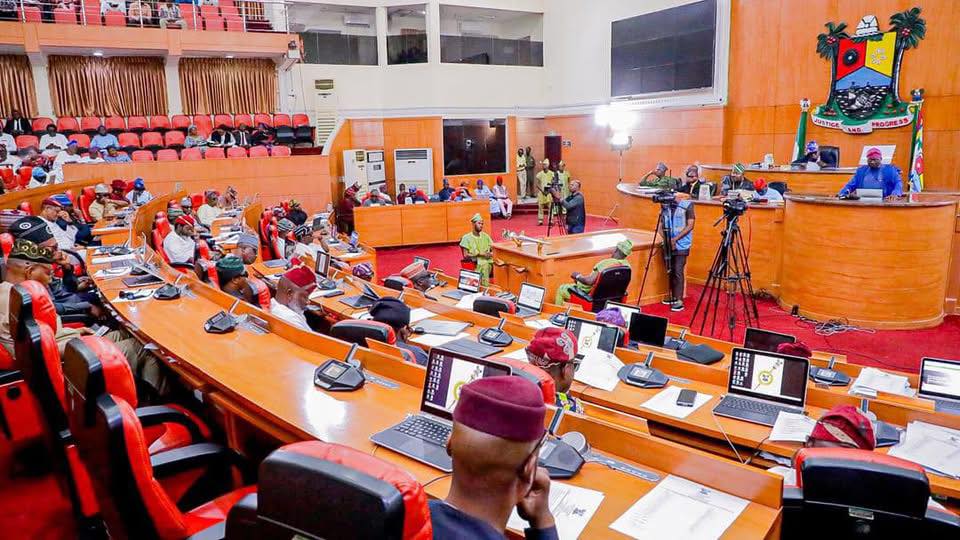
The Lagos State House of Assembly has officially ordered an immediate suspension of demolitions in Makoko. This legislative directive follows a critical meeting between lawmakers and representatives of the distressed waterfront community. Members of the House Committee on Urban Development visited the area to assess the ongoing destruction. They instructed relevant ministries to halt all eviction activities until the conclusion of a formal investigation. Residents of the historic floating village recently faced significant displacement due to various state-led clearance operations. Furthermore, the lawmakers emphasized that the government must prioritize the fundamental rights of all vulnerable citizens. This intervention provides a temporary reprieve for thousands of families currently facing the loss of shelter.
Lawmakers expressed deep concern over the lack of adequate notice provided to the local inhabitants. They noted that forced evictions without proper resettlement plans violate established humanitarian and legal protocols. Furthermore, the committee demanded a comprehensive report from the Ministry of Physical Planning and Urban Development. Active voice oversight ensures that the assembly monitors the compliance of executive agencies with this order. Consequently, the state government must now provide a clear justification for the recent coastal reclamation projects. Furthermore, the community leaders presented documented evidence of ancestral land ownership during the interactive session. This documentation seeks to challenge the legal basis for the state’s persistent claim over the territory.
In a related development, residents of Makoko have organized peaceful protests to draw global attention to their plight. They argue that the community represents a unique cultural heritage that deserves preservation and modernization. Furthermore, civil society groups have joined the call for a sustainable and inclusive urban development strategy. Conversely, the state government previously cited environmental hazards and security concerns as reasons for the clearance. They claim that the unplanned nature of the settlement poses a significant risk to public health. Consequently, the House of Assembly seeks to find a middle ground between modernization and community stability. This mediation effort aims to prevent a total breakdown of order in the sensitive coastal region.
The legislative committee also invited the Ministry of Waterfront Infrastructure Development to explain its future coastal plans. They intend to verify if the current demolitions align with the broader Lagos State Master Plan. Furthermore, the assembly has promised to facilitate a tripartite dialogue involving the state, residents, and developers. This inclusive approach seeks to ensure that urban renewal does not result in extreme human suffering. Consequently, the lawmakers urged the residents to remain law-abiding while the state reviews the situation. In a related development, several international observers are monitoring the proceedings for potential human rights violations. The outcome of this case will set a major precedent for other waterfront communities in Lagos.
Looking ahead, the House of Assembly must ensure that its directives translate into actual policy changes. The government faces the difficult task of balancing high-value real estate development with social equity. Furthermore, the permanent residents of Makoko require a long-term solution that guarantees their right to the city. The global community continues to watch how Lagos manages its rapid urbanization and growing housing deficit. Consequently, the next legislative session will be critical for determining the final fate of the community. For now, the bulldozers remain idle as the path of dialogue replaces the cycle of destruction. Nigeria’s journey toward a modern megacity requires this level of accountability and respect for human dignity.