
Measles Claims 153 Lives in Nigeria as Cases Surge Past 19,000.
Nigeria has recorded 153 deaths from measles in the first 11 months of 2025, with confirmed cases soaring to 19,213 across all 36 states and the Federal Capital Territory.
The Nigeria Centre for Disease Control and Prevention disclosed this in its latest measles situation report released on Tuesday, highlighting a worrying public health crisis fueled largely by low vaccination coverage.
Epidemic Scale and Hotspots
From January to November 2025,health officials investigated 26,866 suspected measles cases, confirming 71.5% (19,213) of them. The outbreak has touched 507 Local Government Areas nationwide.
Five states—Borno (7,968 cases), Zamfara (4,779), Yobe (2,076), Bauchi (1,574), and Kebbi (1,357)—accounted for two-thirds of all suspected infections. In November alone, Delta, Kwara, Bayelsa, Jigawa, and Akwa Ibom states reported over half of the new suspected cases.
Low Vaccination Drives Crisis
A critical finding from the report is that 77%of confirmed measles patients—amounting to 14,801 children—had not received a single dose of the measles vaccine. Nearly half of all confirmed cases (48.9%) were among children aged 9 to 59 months.
The Case Fatality Rate stands at 0.8%, reflecting 153 deaths among confirmed cases this year.
What is Measles?
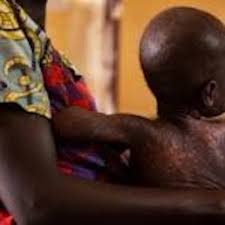
Measles is a highly contagious viral illness spread through coughing, sneezing, or close contact. It causes fever, a distinctive red rash, cough, and red eyes. The virus can survive in the air or on surfaces for up to two hours, and infected individuals are most contagious four days before and after the rash appears.
Outbreak Status and Response
While 188 LGAs across 27 states experienced outbreaks this year,only Eti-Osa LGA in Lagos State had an ongoing outbreak as of November. No new outbreaks were declared that month.
In response to the surge, First Lady Senator Oluremi Tinubu launched a historic Measles-Rubella vaccination campaign on October 6. Described as the largest health initiative in Africa’s history, the campaign aims to reach approximately 106 million children and adolescents aged nine months to under 15 years in two phases. The effort integrates vaccinations against polio and the rollout of the HPV vaccine for adolescent girls.
Public health authorities continue to emphasize that measles is preventable through routine immunization, urging caregivers to ensure children receive the recommended vaccines on schedule.