


Middle East: Flight Fares Soar as War Traps Thousands
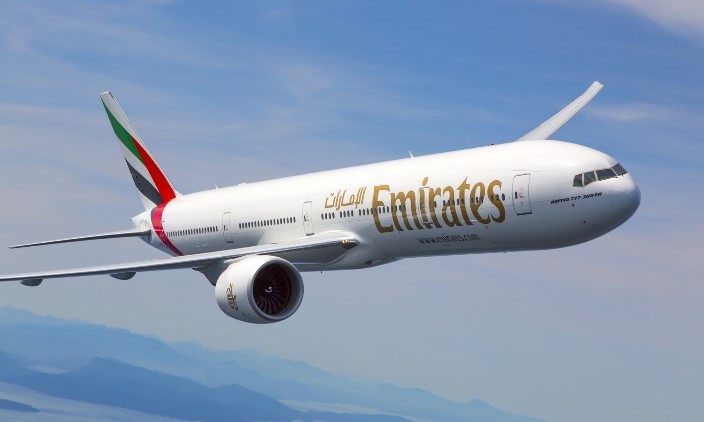
A desperate exodus is underway across the Middle East as the United States-Israeli conflict with Iran grounded commercial aviation. Tens of thousands of travellers are stranded following the cancellation of over 23,000 flights since Saturday. Airspace closures have funneled the remaining traffic through a few strained hubs in Dubai, Riyadh, and Muscat. Panic is rising as explosions occur at irregular hours, making overland travel to borders a deadly gamble.
Wealthy travellers are bypassing the chaos by spending up to $200,000 to charter private jets. Brokers report a tenfold increase in enquiries from families and corporations eager to evacuate essential staff before further airspace shutters. Supply cannot meet demand, and bookings are often held for only two hours on a first-come, first-served basis. Even those who do not typically use private aviation are now viewing it as the only reliable exit.
Western governments are struggling to repatriate their citizens amid the logistical nightmare. The US State Department is ramping up charter flights following sharp criticism of the Trump administration’s slow initial response. Roughly 20,000 Americans have returned home, but thousands more remain stuck. British and Canadian authorities are also organising emergency lifts, though delays of 24 hours or more have become the standard.
Safety remains the primary obstacle to these evacuation efforts. A French government-chartered flight was recently forced to turn back to the UAE after encountering missile fire near Dubai. Such incidents have made commercial carriers wary of entering the region’s corridors. For those without access to private wealth or government seats, the cost of the remaining commercial tickets has turned predatory. One-way fares from Dubai to London have peaked at £4,000.
The timing of the conflict has added a layer of cultural and economic paralysis. Local travel has evaporated during the holy month of Ramadan, leaving charter companies with a surge in emergency bookings but a loss of regular business. Many residents are hunkering down, while visitors feel the walls closing in. The mood among those trying to leave is described by brokers as one of “calculated urgency” rather than outward hysteria.
Regional gateways are becoming bottlenecks of human desperation. In Doha and Dubai, travellers report being afraid to leave their hotels for fear of missing a sudden flight window or being caught in crossfire. Analytics suggest the aviation industry has not seen a disruption of this scale in the region for decades. Until a ceasefire or a stable air corridor is established, the scramble for a way out will only intensify.