

More Firms Dump National Grid as Power Crisis Worsens
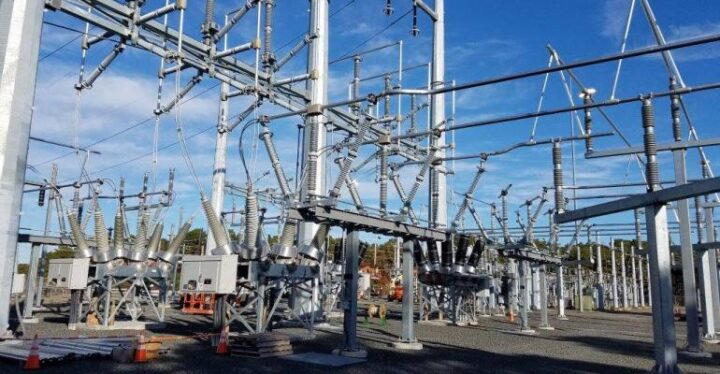
LAGOS — Nigeria’s embattled power sector faces a terminal liquidity threat as industrial giants increasingly abandon the national grid for self-generation. Between January and September 2025, no fewer than 20 major firms officially exited the centralized network, opting to install 1,045 megawatts (MW) of private “captive” power. This mass migration follows a pattern of chronic instability, with the national grid recording its second total collapse of 2026 just last week. Consequently, the Nigerian Electricity Supply Industry (NESI) is bleeding its most profitable customers, leaving a debt-ridden market to be propped up by struggling residential consumers.
The Manufacturers Association of Nigeria (MAN) warns that recurring system disturbances are steadily eroding the global competitiveness of local goods. Last year alone, manufacturers reportedly spent a record ₦1 trillion on self-generation to bypass the antiquated 50-year-old transmission infrastructure. Furthermore, industrial output continues to shrink as frequency imbalances and “brownouts” damage sensitive heavy-duty machinery. While the Nigerian Independent System Operator (NISO) often downplays these blackouts as “system disturbances,” stakeholders insist that the underlying rot is structural. Indeed, the absence of a Supervisory Control and Data Acquisition (SCADA) system—the grid’s digital brain—makes real-time rebalancing nearly impossible.
The exit of these “anchor tenants” has triggered a severe financial hemorrhage within the value chain. Liabilities in the sector are projected to hit ₦6.2 trillion by the end of 2025, according to recent audit forecasts. Granted, the government has attempted to bridge the gap by migrating premium households to the high-tariff “Band A” category. However, many small businesses and residential clusters are likewise fleeing to solar and inverter systems to escape rising costs. Significant revenue shortfalls now prevent Generation Companies (GenCos) from settling gas supplier debts, further starving the grid of necessary megawattage.
Notably, experts like Chinedu Bosah of the Coalition for Affordable and Regular Electricity (CARE) argue that the 2013 privatization has failed. He contends that bulk buyers investing in private plants will ultimately transfer these higher costs to the average Nigerian consumer. Subsequently, this “power paradox” is fueling double-digit inflation and forcing the closure of hundreds of small-scale enterprises nationwide. Above all, the lack of contracted “spinning reserves”, backup power that stabilizes the system during spikes—leaves the grid perpetually on the brink of failure. For this reason, many industrial leaders now view the national grid as an unreliable partner in their quest for productivity.
Finally, the Federal Government faces an urgent mandate to restore investor confidence through a forensic audit of the entire transmission framework. Although some reforms under the 2023 Electricity Act show promise, the immediate reality for Nigerians is a nation powered more by private diesel fumes than public light. Therefore, the “Renewed Hope” agenda must prioritize infrastructure modernization over mere tariff adjustments to halt this industrial flight. As a result of this crisis, Nigeria’s journey to a $1 trillion economy remains tethered to a fragile and flickering wire. Accordingly, a transparent, multi-stakeholder management of the grid can prevent a total market eclipse.