


Naira Firms Against Dollar, Slips Against Pounds
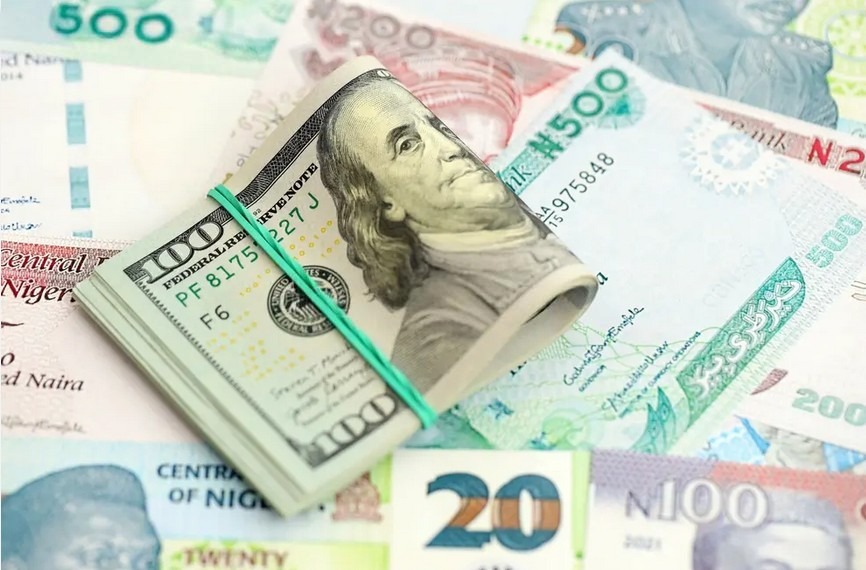
The Nigerian Naira strengthened against the US Dollar on Friday, 20 March 2026, supported by a significant recovery in the nation’s external buffers. In the Nigerian Foreign Exchange Market (NFEM), the currency opened at an average of N1,352.89 per dollar, a slight gain from the mid-week average of N1,357. This appreciation follows the Central Bank of Nigeria’s (CBN) announcement that gross external reserves have stabilised at $50.03 billion. Higher oil receipts, with Brent crude trading above $100, and a surge in diaspora remittances have provided the central bank with the ammunition needed to defend the local unit.
The gap between official and informal exchange rates has narrowed to under 5%, a target long pursued by the central bank. In the parallel market, Bureau De Change operators in Lagos and Kano quoted the dollar at N1,410 for buying and N1,415 for selling. CBN Governor Olayemi Cardoso recently noted that this convergence is a key indicator of successful exchange rate unification. The reduction in volatility has largely ended the speculative “panic buying” that plagued the market in previous years.
Domestic refining capacity is now acting as a primary shield for the currency. The Dangote Refinery has scaled its output to 700,000 barrels per day, sharply reducing the demand for foreign exchange previously spent on fuel imports. This structural change, combined with a tight Monetary Policy Rate (MPR) of 26.5%, has made the Naira more attractive to foreign portfolio investors. Additionally, headline inflation has cooled to 15.06%, helping to preserve the currency’s purchasing power and anchoring market expectations.
The British Pound showed a more tempered trajectory, cooling from a mid-week peak to an average of N1,813.10 in the official window. While the Naira has held its ground, the Pound remains globally resilient due to high interest rates set by the Bank of England. In the parallel market, the GBP continues to command a higher premium, selling for up to N1,895. Traders attribute this persistent demand to “invisible” transactions, such as United Kingdom tuition fees and medical tourism, which frequently bypass official channels.
Nigeria’s fiscal outlook for the second quarter of 2026 appears stable, provided oil prices remain elevated. The current reserve cushion has successfully prevented the Pound from crossing the N1,950 psychological barrier seen earlier in the year. High interest rates continue to draw in capital, though they also raise the cost of borrowing for domestic businesses. For now, the central bank’s orthodox approach seems to have bought the economy a period of rare calm.
As the trading week closes, market participants are looking toward the next Monetary Policy Committee briefing for signs of future intervention. The current stability is a reprieve for an economy that has spent years in the grip of currency devaluations. However, the reliance on high oil prices suggests the recovery remains vulnerable to global shocks. The central bank will need to maintain its discipline if this period of relative peace is to endure.