


Naira Gains as Foreign Exchange Stabilizes
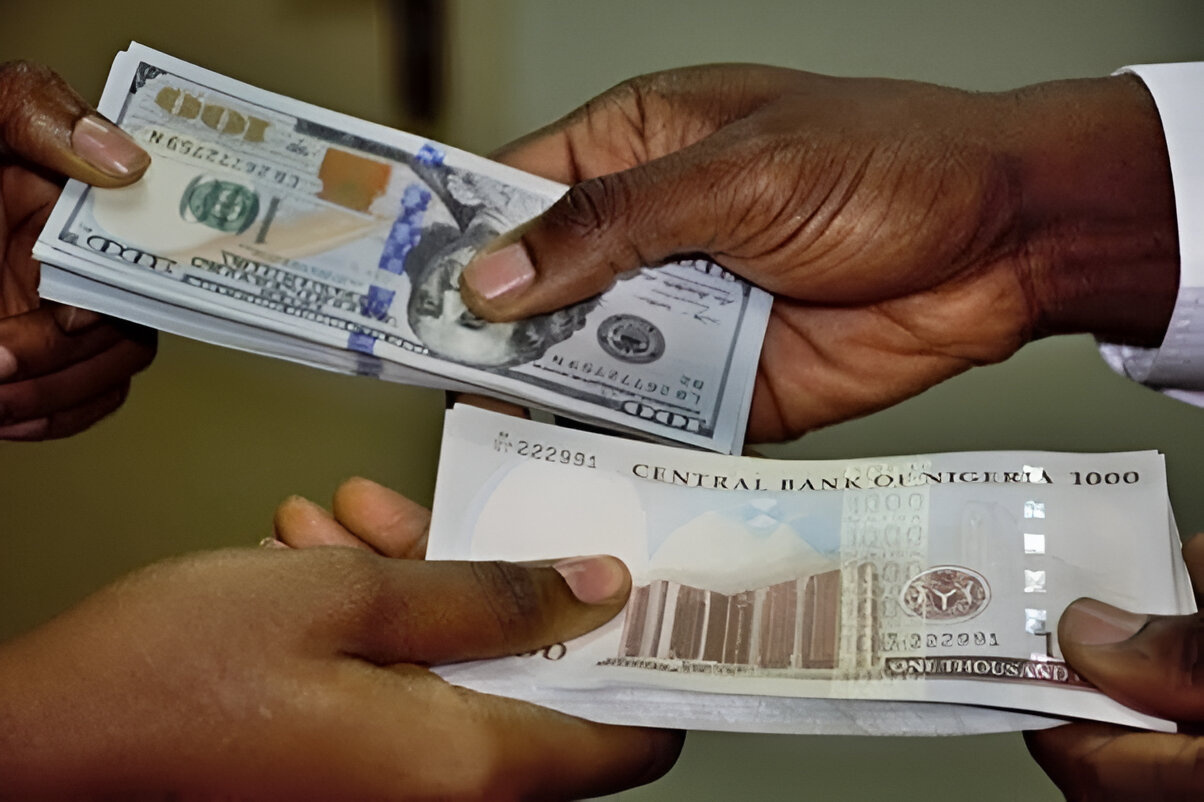
The naira opened the week with a quiet show of strength. On April 6, the currency rose to ₦1,377.80 per dollar in the official market. This small gain follows a close of ₦1,380.79 last week. Stability is becoming a habit rather than an accident. The Central Bank of Nigeria (CBN) now uses a matching system to ensure prices remain transparent. This tool helps the market find its level without the old drama of wild swings.
Foreign investors are watching the country’s vaults with growing interest. External reserves currently stand at $49.29 billion. This follows a period where the government dipped into the pot to pay its debts. The central bank expects this figure to climb to $51.04 billion soon. Steady oil sales and new foreign cash will provide the fuel. A thicker cushion usually means a more resilient currency against global shocks.
Interest rates remain the primary weapon in the fight for stability. The Monetary Policy Committee kept the benchmark rate at 26.5% during its last sitting. This high cost of borrowing aims to starve inflation and lure foreign funds. It makes naira assets more profitable for those holding dollars. While expensive for local businesses, the policy acts as a necessary anchor for the exchange rate.
Remittance reform is also quietly doing its work. The central bank now insists that diaspora transfers go through formal bank accounts. This change ensures a steady daily flow of dollars into the local banking system. It cuts out the middleman and reduces the influence of the informal market. More liquidity in the banks leads to a more predictable rate for everyone else.
The global environment remains a challenge as the dollar stays strong. Many emerging market currencies are buckling under the pressure of high American interest rates. Nigeria has managed to avoid this fate so far in 2026. The combination of tight money at home and better transparency is working. Investors appear convinced that the era of erratic devaluations is over for now.
Oil receipts continue to underpin the entire fiscal structure. As long as crude prices hold and production stays steady, the reserve target remains realistic. The central bank is betting that a transparent market will eventually attract enough private capital to lessen the reliance on oil. For now, the focus is on keeping the naira within this tight, predictable range. Success will be measured by how long this calm lasts.