


Naira Holds Firm as Foreign Reserves Hit Milestone
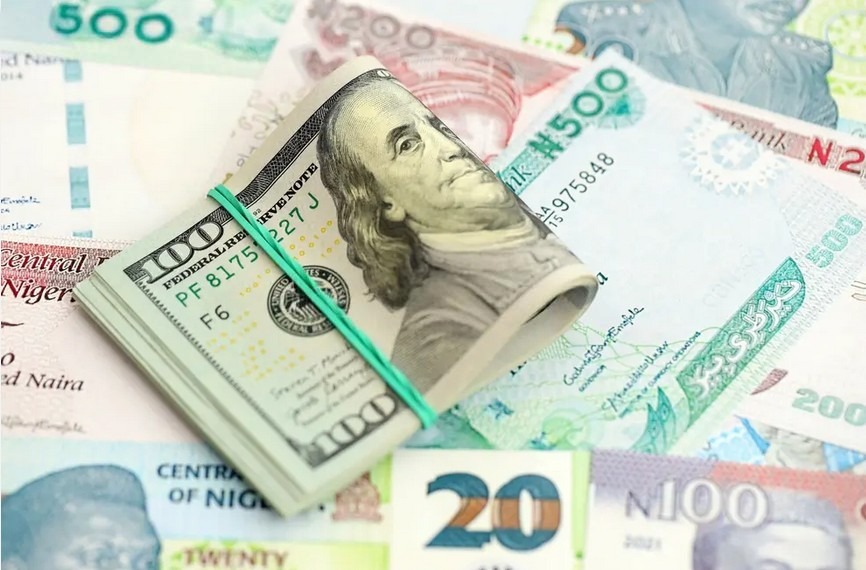
The Nigerian Naira maintained its stability against the US Dollar on Friday, 13 March 2026, closing a resilient trading week. Data from the Nigerian Foreign Exchange Market (NFEM) shows the currency opened at 1,398.74 and held steady at 1,398.63 by mid-morning. This marginal appreciation of 0.01% reflects a period of rare calm in the foreign exchange market. The Central Bank of Nigeria (CBN) continues to use a “willing-buyer-willing-seller” model to manage liquidity.
The parallel market has largely fallen in line with official rates, signalling an end to extreme volatility. In major trading hubs like Lagos and Abuja, the dollar exchanged between 1,405 and 1,415. The spread between official and informal rates has narrowed to roughly 1%, a significant achievement for monetary authorities. Consistent dollar supply to Bureau De Change operators has successfully curbed the speculative panic buying that once plagued the currency.
Strong macroeconomic fundamentals are providing the necessary floor for the Naira’s current performance. Nigeria’s external reserves recently climbed past the 50 billion dollar mark, giving the central bank ample ammunition to defend the currency. Headline inflation has also cooled to 15.10%, the best performance the country has seen in years. These figures have collectively bolstered investor confidence and stabilised the domestic value of the legal tender.
Structural shifts in the energy sector are further easing the pressure on foreign exchange demand. Increased output from domestic refineries means the country spends far less on fuel imports than in previous decades. Crude oil production has also remained steady at 1.46 million barrels per day, ensuring a reliable stream of dollar inflows. This reduction in import dependency is a primary driver of the current currency stability.
Analysts expect the Naira to finish the week within the 1,395 to 1,405 range as the market enters the weekend. The focus for the coming week will likely shift toward international signals from the US Federal Reserve. Any shifts in American interest rates could influence the broader strength of the dollar against emerging market currencies. For now, the Nigerian market appears well-insulated against immediate external shocks.